Jim Henson was born on September 24, 1936, in Greenville, Mississippi. Today marks Jim Henson's 90th birthday, and most tributes will begin with Kermit the Frog. That is understandable, and it misses the more radical point. Henson's great invention was not a frog. It was a way of seeing. Before almost anyone else, he understood that television did not need a stage, because the edge of the screen already was one.
Everything else followed from that insight: Sesame Street, The Muppet Show, The Dark Crystal, Fraggle Rock and an entire school of practical creature effects. Thirty-six years after his death, the industry he helped build is still living inside his frame.
A Freshman, a Coat and a Camera: How the Muppets Began
In 1955, Henson was an 18-year-old freshman at the University of Maryland when he landed a five-minute slot on WRC-TV in Washington called Sam and Friends. One of its characters was built from his mother's discarded spring coat, with half a ping-pong ball for each eye. Its name was Kermit. It was not yet a frog.
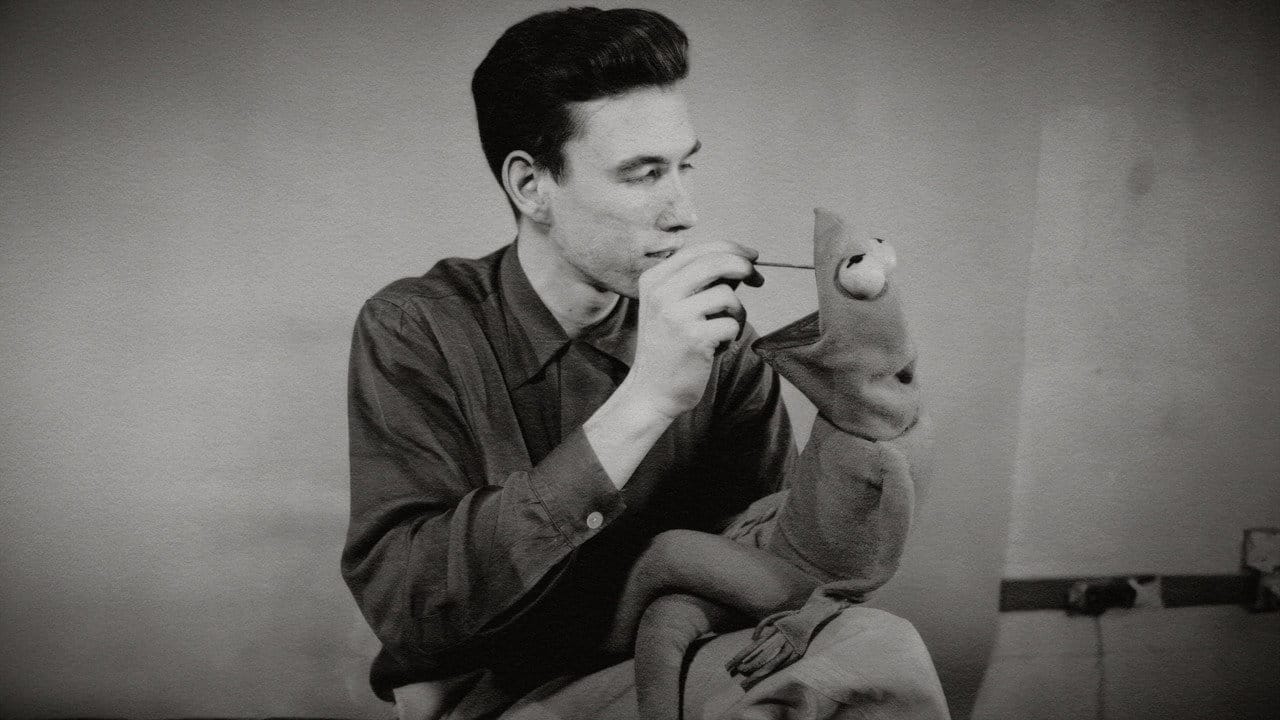
What mattered was not the materials but the method. Traditional puppetry hid its performers behind a booth and played to a live room. Henson removed the booth altogether. The camera's framing hid the performers, and they watched their own work on television monitors as they performed. The monitor became a mirror, and the mirror became a discipline. For the first time, puppets could move through space, react in close-up and hold a camera's gaze the way an actor does.
He also changed how puppets spoke. Before Henson, a puppet's mouth usually flapped at random. His characters shaped each syllable, so the illusion of speech became an illusion of thought. It sounds like a small technical detail. It is the reason audiences believe Kermit is listening.
Henson explained the origins of his characters himself in a 1977 interview with Canadian current-affairs programme W5, at the height of the Muppets' global fame:
The Advertising Years: Learning to Land a Joke in Ten Seconds
Few people remember the Wilkins Coffee commercials of the late 1950s. They were tiny, slapstick-violent, very funny spots, some barely ten seconds long, in which one puppet punished another for refusing to drink the coffee. They were Henson's comedy school. He learned timing, economy and how to break a gag cleanly, and the spots paid for the company that would become The Jim Henson Company.
The same restless curiosity produced Time Piece (1965), an experimental live-action short that earned him an Academy Award nomination. Henson was never only a puppeteer. He was a filmmaker who happened to consider puppets the most expressive tool available.
Sesame Street: Empathy as Curriculum
When Sesame Street premiered on November 10, 1969, its mission was educational. Henson's contribution was emotional. Big Bird, Oscar the Grouch, Bert and Ernie, Grover and Cookie Monster did not just teach letters and numbers. They showed small children what frustration, stubbornness, fear and friendship look like, at a scale a child could process.
The show's quiet genius was allowing monsters to be vulnerable. Cookie Monster's appetite is a lesson in impulse. Oscar's grumpiness is permission to feel bad. Henson and his collaborators understood that children learn most from characters who fail. Generations raised on the show absorbed that emotional literacy long before they could name it.
The Muppet Show: An American Dream Made in England
The irony of The Muppet Show (1976) is that American television did not want it. The networks saw puppets as children's entertainment and passed. British producer Lew Grade saw something else and backed the series from England. It ran from 1976 to 1981 and was broadcast in more than 100 countries, with guests including Elton John, Johnny Cash, Diana Ross and Debbie Harry.
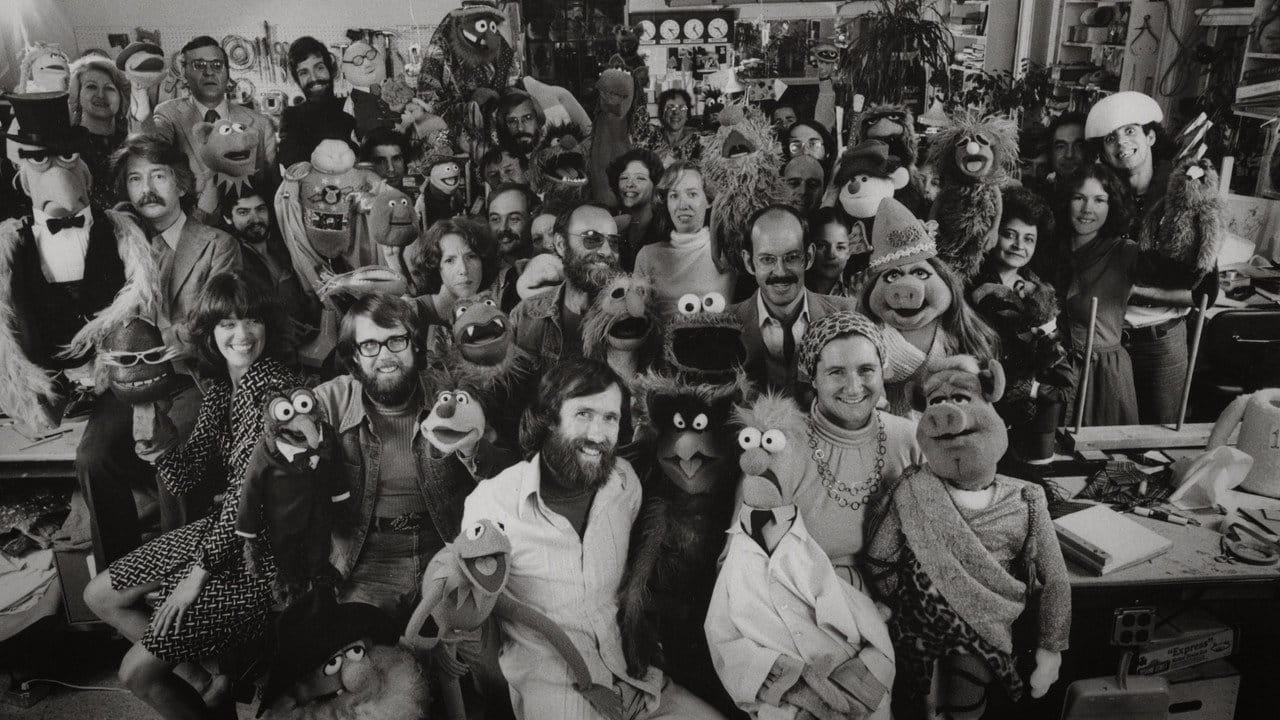
Its structure was deceptively sophisticated: a vaudeville show about the chaos of putting on a vaudeville show. Onstage there were sketches and songs. Backstage there was a workplace comedy with an anxious manager, a diva, a failing comic and a daredevil. Kermit, trying to hold everything together, became one of television's great portraits of creative leadership: patient, exasperated and loyal to a company of beautiful disasters.
The formula moved to cinema with The Muppet Movie (1979). Its opening song, "Rainbow Connection", was nominated for an Oscar and remains one of the most sincere moments in American film. It is a frog, alone in a swamp, singing about the people who believe in dreams. Henson never apologised for sincerity, which is exactly why it still lands. That durability is also why Disney keeps finding new ways to extend the brand, from the 2026 revival special to the Muppets' 50th-anniversary crossover with the Marvel Universe.
The Dark Turn: The Dark Crystal and Labyrinth
By the early 1980s Henson could have repeated the Muppet formula forever. Instead he made The Dark Crystal (1982), co-directed with his closest creative partner, Frank Oz. It is a mythic fantasy with no Muppets and no human actors on screen, designed from the ground up with conceptual artist Brian Froud and built by the workshop that would become Jim Henson's Creature Shop. The film was strange, grave and frightening, and it proved that puppetry could carry the weight of an epic.
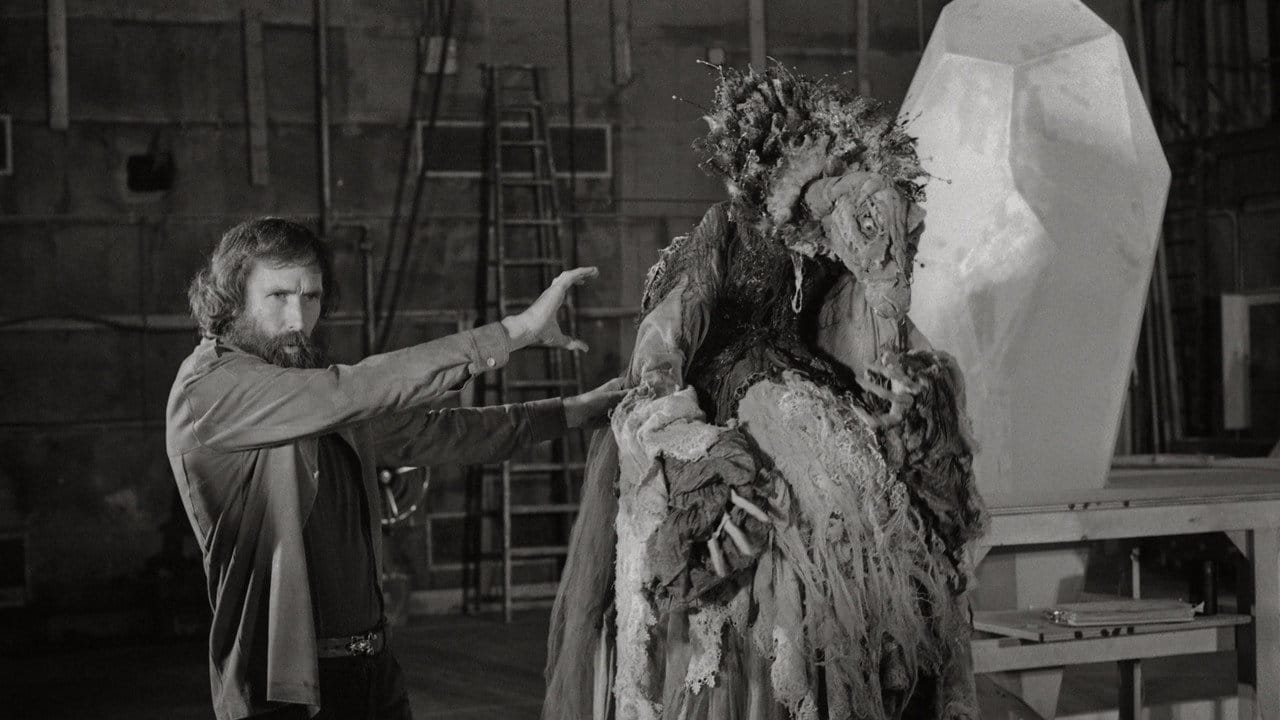
Labyrinth (1986) went further. It paired Jennifer Connelly with David Bowie's Goblin King, with a screenplay by Monty Python's Terry Jones and George Lucas as executive producer. It disappointed at the box office, and the failure stung Henson deeply. Then home video did what theatres could not, and the film became a cult object passed between generations. We traced that unlikely afterlife in Labyrinth at 40: how a box-office bomb became a cult classic.
It is worth noting how far Henson's circle reached. Frank Oz, the performer behind Miss Piggy, Fozzie Bear and Grover, gave Yoda his hands and voice in The Empire Strikes Back (1980). The most revered mentor in modern cinema was, technically, a Henson-school performance. It is a thread that runs straight to George Lucas's own monument to popular storytelling, the Lucas Museum of Narrative Art.
The Creature Shop and the Practical-Effects Century
The Creature Shop may be Henson's most underrated legacy. It built the title characters of Teenage Mutant Ninja Turtles (1990) and developed performance-control systems that let a single puppeteer drive complex animatronic faces. It proved that practical creatures could deliver nuance. Today's backlash against weightless digital effects, and the renewed appetite for tactile creature work, is an argument Henson had already won in the workshop.
His television work in those years was just as ambitious. Fraggle Rock (1983) was built as a gentle parable about interdependence between species: a show about peace disguised as a children's comedy. The Storyteller (1987), with John Hurt narrating European folk tales, remains one of the most beautiful anthologies ever made for television.
May 1990: A Funeral in Colour
On May 16, 1990, Jim Henson died suddenly in New York at the age of 53, from a streptococcal infection that progressed with devastating speed. At the time, he was negotiating a deal with Disney that would have reshaped his company.
His memorial at the Cathedral of St. John the Divine followed his own wishes. Mourners were asked not to wear black. Big Bird, performed by Caroll Spinney, sang "Bein' Green". It remains one of the most moving public farewells in entertainment history, because it was staged in Henson's own language: colour, music and felt. He had once said that his hope was to leave the world a bit better than when he got here. It is hard to argue that he did not.
The Jim Henson Legacy in 2026
After his death, his creations were divided. Sesame Workshop took ownership of the Sesame Street characters, Disney acquired the Muppets in 2004, and The Jim Henson Company continued under his family, with the Creature Shop still at its core. Ron Howard's documentary Jim Henson Idea Man (2024) brought his restless creative method to a new audience:
In 2026, his work is again in the present tense. On February 4, a revival special of The Muppet Show celebrated the original series' 50th anniversary on Disney+ and ABC, with Sabrina Carpenter as guest star. And this week, from September 24 to 27, the Museum of the Moving Image in New York is marking Jim Henson's 90th birthday with four days of screenings, puppetry workshops, panels and live music, anchored by its permanent Jim Henson Exhibition.
But the real legacy is harder to schedule. It lives in every children's programme that treats its audience's feelings as seriously as their spelling. It lives in every creature designer who insists a puppet can outperform a render. And it lives in every creator who looks at the edge of a screen and sees not a limit but a stage.
Jim Henson would have turned 90 today. Kermit, as ever, is still listening.
Further reading: Jim Henson on Wikipedia.