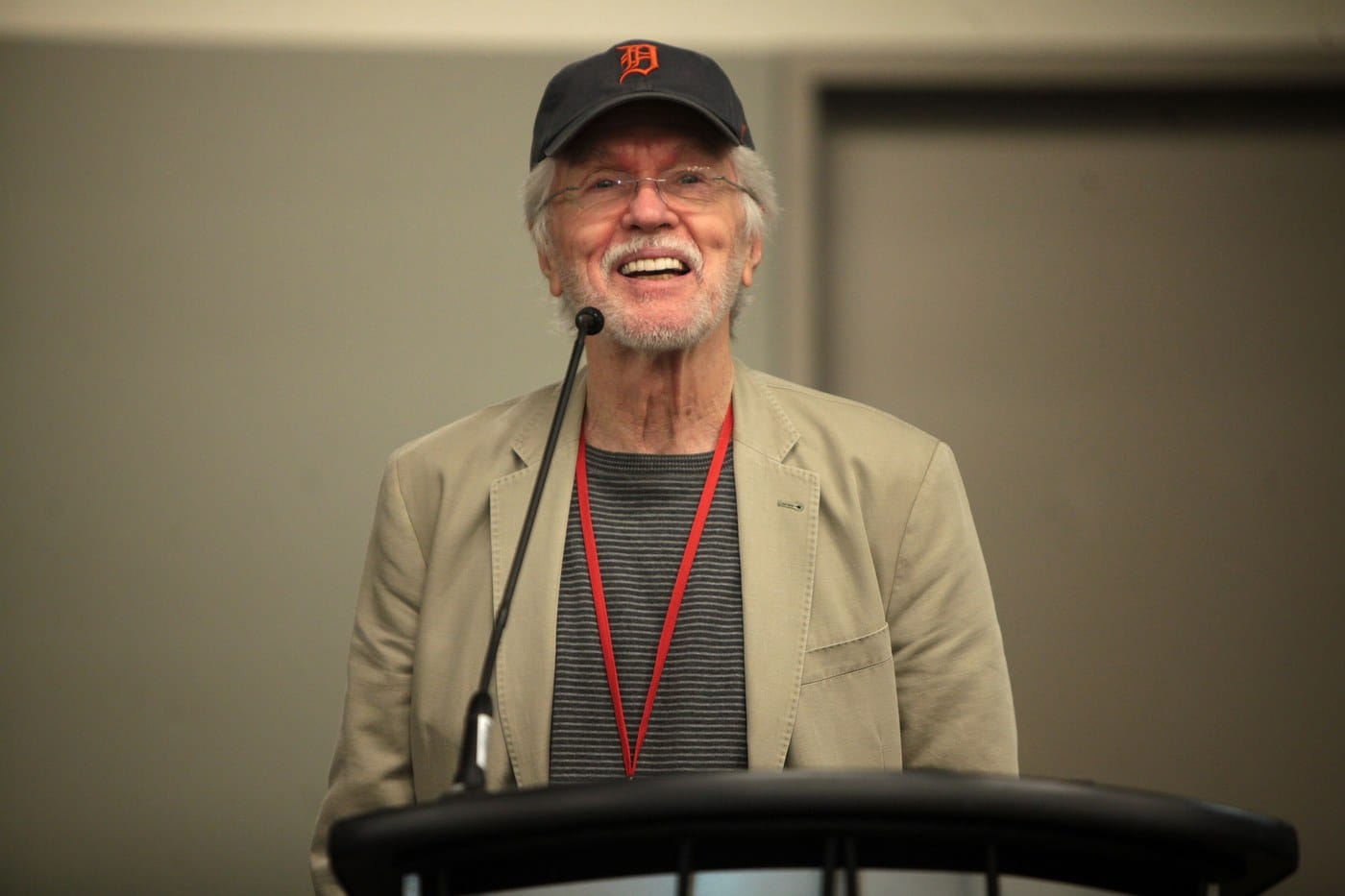
Tom Skerritt, the actor who spent six decades playing the man in charge, died on Wednesday, October 21, of natural causes, his family said. He was 93. In Alien (1979) he was the captain of the Nostromo; in Top Gun (1986) he was Viper, the flight instructor Tom Cruise had to impress; on television he was Sheriff Jimmy Brock of Picket Fences, the role that won him an Emmy. Hollywood kept handing him the controls, and it is worth asking why.
In a statement reported by CBS News, his family said the world knew him for his acting, but they knew him for his "humor, curiosity, wisdom, generosity," and that he cared deeply about creativity, storytelling, veterans and the natural world. Julia Roberts, who played his daughter in Steel Magnolias (1989), posted a photograph of the two of them and called him "a shining light of a gentle man."
From Detroit to the Back of the Frame
Thomas Roy Skerritt was born in Detroit on August 25, 1933. He served in the US Air Force from 1951 to 1955, studied at Wayne State University and then at UCLA, and left without a degree to act. His film debut came in War Hunt (1962), a low-budget Korean War drama that also gave early breaks to Robert Redford and Sydney Pollack. Redford would cast him thirty years later, in the role many consider his finest.
The 1970s made him a fixture of the New Hollywood ensemble. Robert Altman used him twice, as Duke Forrest, the Georgia surgeon in M*A*S*H (1970), and in the Depression-era crime film Thieves Like Us (1974). Herbert Ross's ballet drama The Turning Point (1977) brought him a National Board of Review win. He was never the loudest man in an Altman frame, which is exactly why he survived in one.
The Captain Who Dies First
His most quietly radical performance is also one of his shortest. In Ridley Scott's Alien, Captain Arthur Dallas is the figure the audience is trained to trust: calm, competent, reasonable with a restless crew. Then he climbs into the air ducts to flush out the creature, and he does not come back. The film's genius is that it spends its authority figure early, and the shock only works because Skerritt plays Dallas with such ordinary steadiness. The man you would follow is the first to go, and the film belongs to Sigourney Weaver's Ripley from that moment on.
Seven years later Tony Scott's Top Gun flipped the arrangement. As Commander Mike "Viper" Metcalf, Skerritt was the authority that survives, the instructor whose approval the whole film is chasing. He played Viper as a man who had nothing left to prove and no interest in shouting. In a movie built on swagger, he was the one figure who didn't need any.
The decade in between was a run of similarly steady men. He was Sheriff Bannerman in David Cronenberg's The Dead Zone (1983), and Evan Drake, the corporate boss who briefly turned Rebecca's head on Cheers. By the end of the 1980s he had become a particular kind of screen presence: the decent man in authority, flawed but listening.
Redford's Reverend
Then came the role that asked for something harder. In A River Runs Through It (1992), Redford cast his old War Hunt co-star as the Reverend John Maclean, a Presbyterian minister in Montana who teaches his sons fly fishing as a moral discipline and cannot save the son he loves. It is a performance of restraint under pressure, almost entirely in what he withholds. The steadiness that made him a convincing captain becomes, here, the thing that keeps a father from reaching his child.
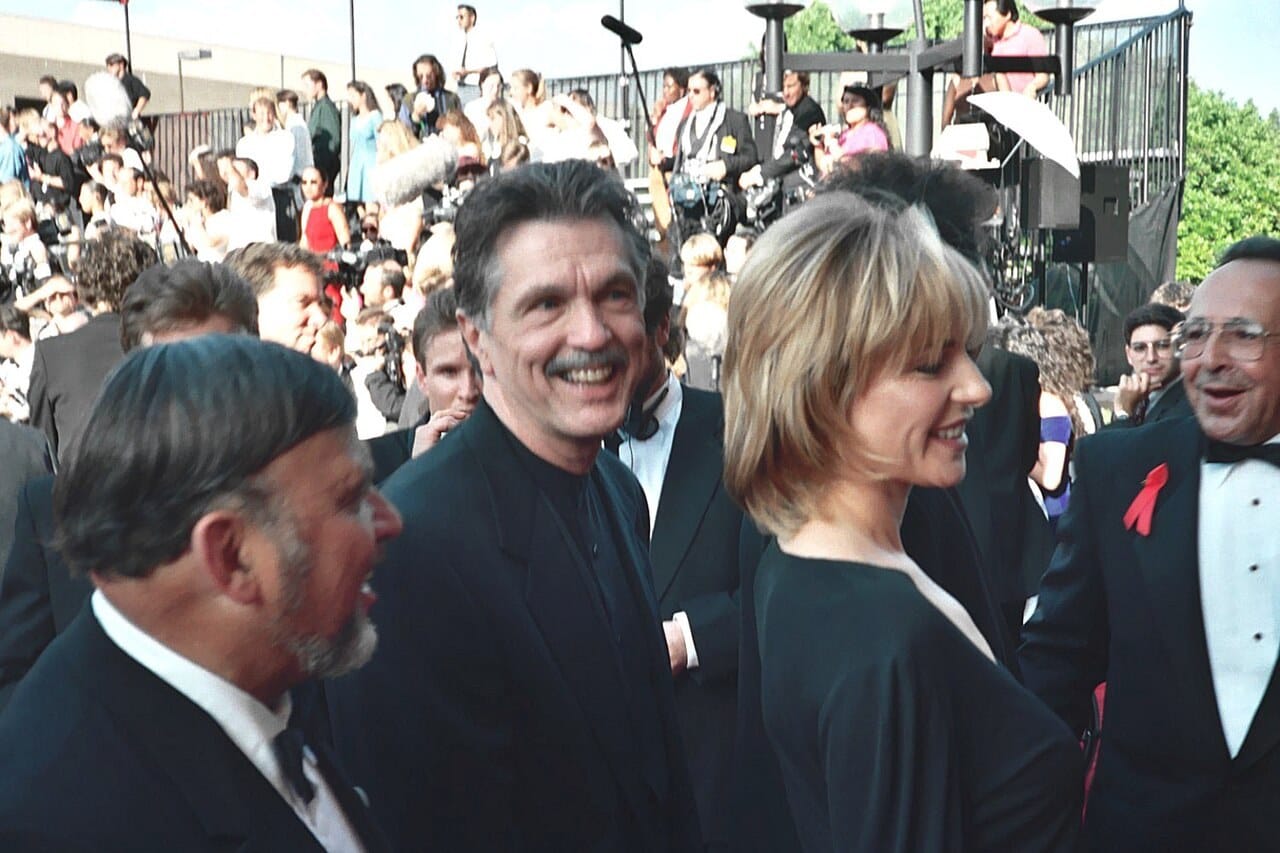
The same year, television gave him the lead he had rarely had in film. David E. Kelley's Picket Fences (1992–1996) cast him as Jimmy Brock, sheriff of the strange Wisconsin town of Rome, a lawman forever negotiating between the letter of the law and the oddities of his neighbours. It earned him the Emmy for Outstanding Lead Actor in a Drama Series in 1993 and a second nomination. In Contact (1997) he turned the persona inside out as David Drumlin, the polished science adviser who takes credit for Jodie Foster's discovery. That proved he could make authority feel slippery when a film needed it to.
Still Working at 88
He never really stopped. He played the family patriarch William Walker in Brothers & Sisters, made his Broadway debut in 2013 in A Time to Kill, and turned up at fan conventions well into his nineties to talk about the Nostromo. In 2021, at 88, he took the lead in East of the Mountains, as a retired surgeon facing a terminal diagnosis who sets out on a final journey across Washington State. It was a fitting late role for an actor whose great subject was composure: how a man holds himself together when the situation will not hold.
Hollywood loves its leading men for their volatility. Skerritt's career is a reminder of how much of cinema rests on the opposite quality, the actor who makes the room feel safe, so that the film can decide when to take that safety away. Dallas in the air vent, Viper in the briefing room, the Reverend at the river: each is a different answer to the same question about what authority looks like when it is quiet. Like Eva Marie Saint, whose death we marked earlier this month, he built a long career on a virtue the camera rarely rewards, and the films are better for it.
Tom Skerritt is survived by his wife, Julie Tokashiki, and five children.