There is a generation that can hum, without a single second of hesitation, the opening bars of MacGyver (1985), The A-Team (1983), Knight Rider (1982), or He-Man and the Masters of the Universe (1983). Not because those people are particularly nostalgic or musically trained. Because those themes were designed to be remembered. They were composed with the same structural logic as a pop song: a hook, a build, a release, and a melodic identity so distinct it could stand alone in a concert hall and still make sense.
What streaming platforms deliver today, in the vast majority of cases, is sonic wallpaper. Atmospheric texture. Functional audio that tells you something is beginning without ever giving you a reason to stay for it. The contrast is not merely generational sentiment — it is a compositional and industrial reality that reshaped how television sounds, and consequently, how it is remembered.
The Architecture of a Theme That Lasts
Mike Post, the composer behind The A-Team and dozens of other defining TV themes of the era, has spoken about the discipline required to communicate an entire world in sixty to ninety seconds. That constraint, rather than limiting creativity, forced composers to think in terms of identity rather than atmosphere. Every note had to carry weight. Every rhythmic decision had to telegraph character, genre, and emotional register simultaneously.
The result was music that functioned as a brand before branding was a conscious television strategy. The brass stabs of The A-Team tell you the show is about controlled chaos, masculine camaraderie, and spectacular incompetence executed with flair — before a single frame of footage. The synthesizer cascade of Knight Rider (1982) is loneliness encoded in melody: one man, one machine, an open highway. You don't need to watch the show to understand its emotional contract. The theme has already signed it for you.
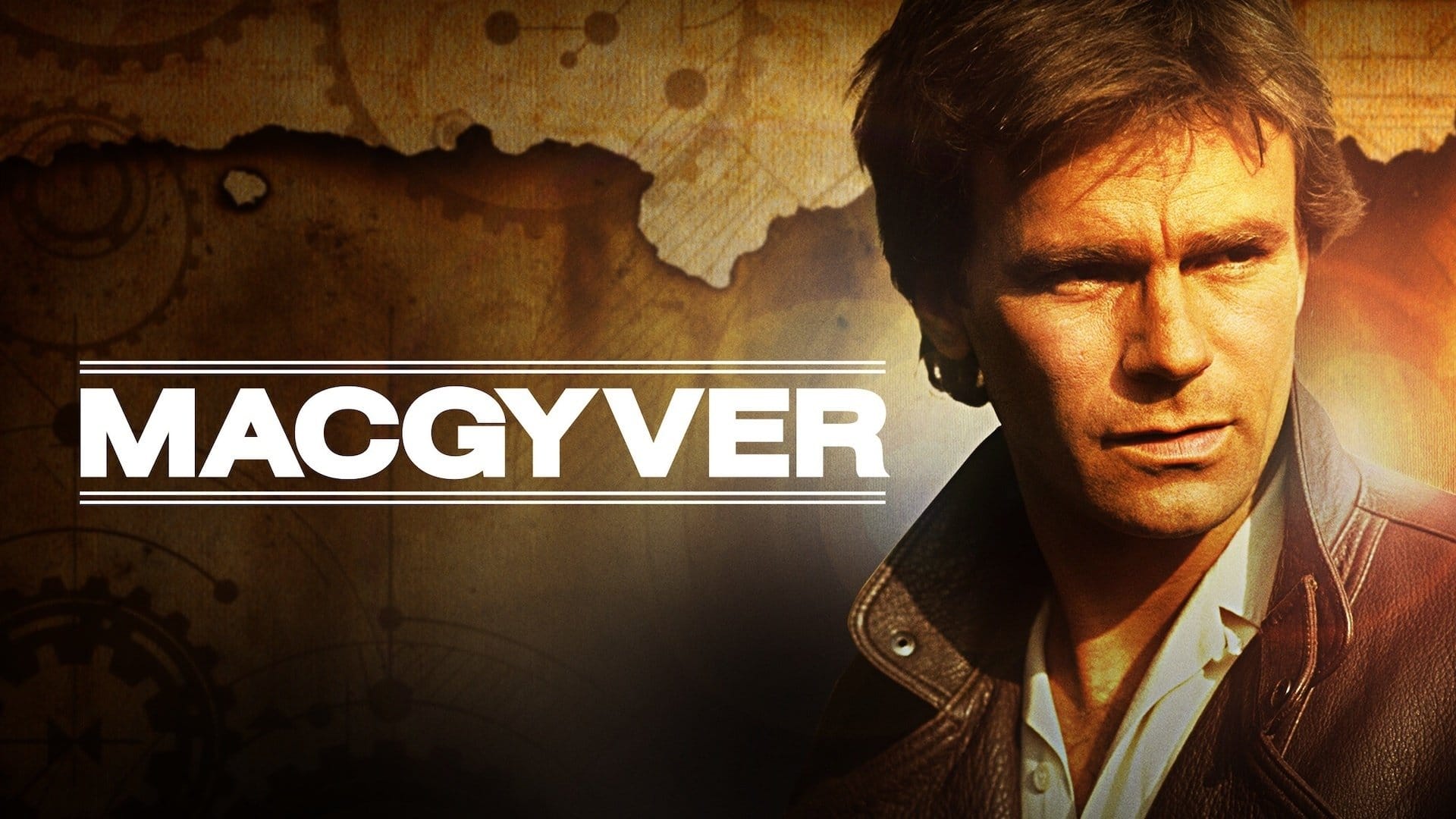
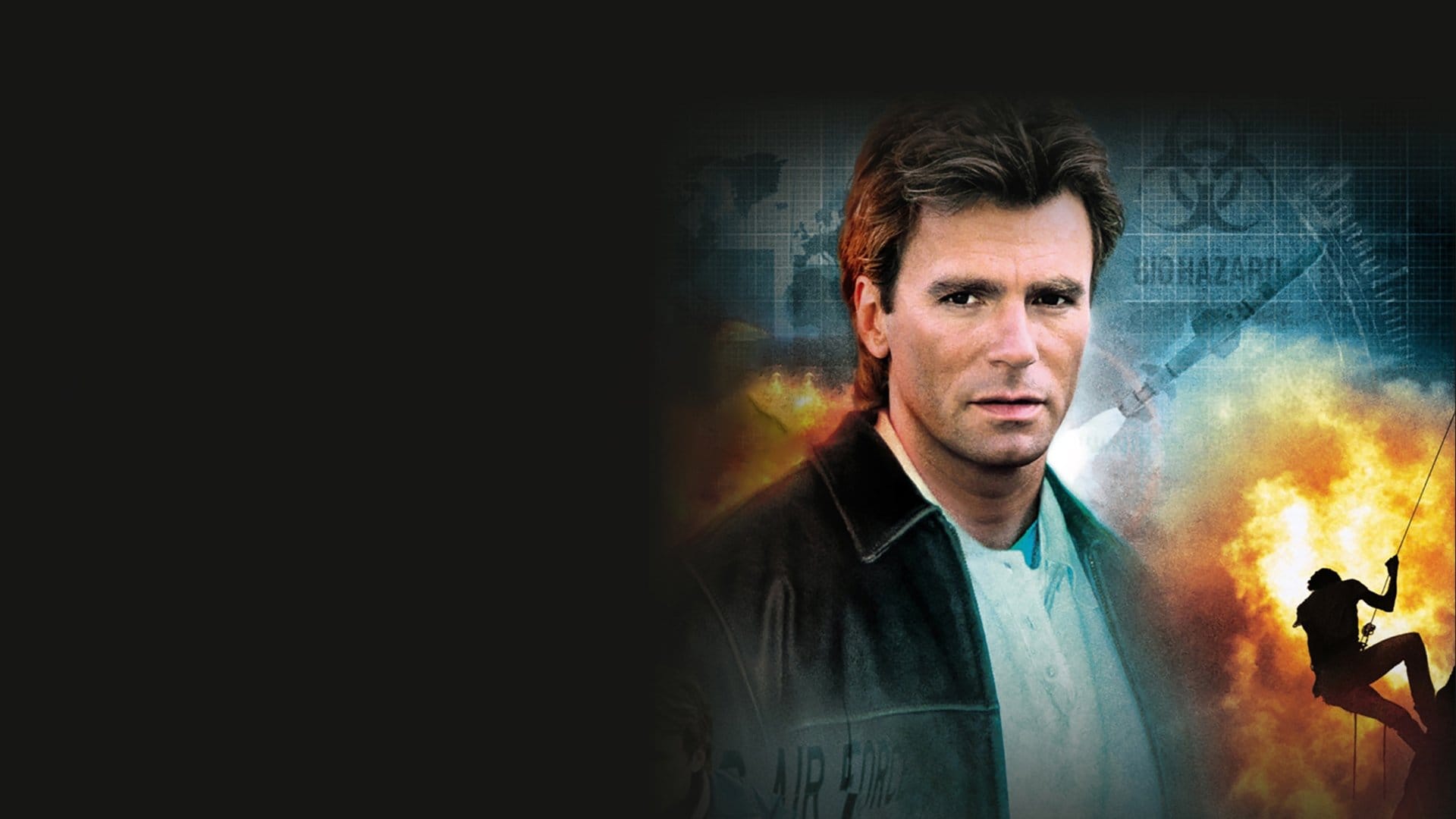
MacGyver's theme, composed by Randy Edelman, operates differently but with equal precision. It begins sparse and builds methodically, mimicking the protagonist's own problem-solving logic — accumulation toward an unlikely solution. It is not incidental that the music mirrors the show's dramatic structure. That was the work. That was the craft.
He-Man and the Mythology of the Three-Chord Theme
The animated sphere produced some of the most structurally audacious themes of the era, precisely because the budgets were lower and the creative latitude was higher. He-Man and the Masters of the Universe deployed a fanfare so operatic in ambition that it bordered on self-parody — and landed, instead, as pure myth. The theme doesn't introduce a cartoon. It announces a cosmology.
This is worth examining seriously: the accusation often leveled at classic TV themes is that they were simple. A few chords. A basic melody. And that is, structurally, accurate. But simplicity and sophistication are not opposites. The blues is three chords. The most enduring pop songs of the twentieth century are frequently built on four. What made the classic TV theme potent was not harmonic complexity — it was melodic inevitability. Each note felt like the only possible note. The compositions had the quality of things that had always existed and were merely being discovered.
That quality is extraordinarily difficult to manufacture. It requires a composer who understands that a theme is not underscore — it is identity. It is the thing the audience hears before they trust you, and the thing they carry out of the room when the episode ends.
What Changed, and Why
The shift away from the standalone theme didn't happen because composers got worse. It happened because the industrial conditions that made such themes necessary dissolved. Network television in the 1980s operated on a logic of appointment viewing and repetition: millions of people watched the same show at the same time, every week, for years. The theme accumulated meaning through sheer exposure. It became a Pavlovian signal — the living room is gathering, the week is punctuated, something familiar and pleasurable is about to happen.
Streaming broke that logic entirely. Autoplay made the theme an obstacle between episodes. Skip-intro buttons turned it into an opt-in experience for an already-diminishing audience. Producers responded by shortening themes to vanishing points — a sting, a logo sound, a brief musical gesture — or by replacing them with licensed popular songs that carry their own cultural weight rather than building new iconography.
The economics followed. Why commission an original theme that requires a composer, an arranger, a recording session, and ongoing licensing fees, when a show's identity can be communicated through production design, a title card, and two seconds of distinctive audio? The math is correct. The cultural loss is real.
The Exceptions That Prove the Rule
The absence makes the surviving examples luminous by contrast. Game of Thrones (2011) produced arguably the last great televisual theme in the classic tradition — a cello-driven piece by Ramin Djawadi that expanded and contracted across eight seasons, growing as the map grew, mourning as the show mourned. It became a concert experience. It sold out arenas. It demonstrated that the appetite for this kind of musical identity never left — the industry simply stopped feeding it.
Stranger Things (2016) understood the same truth through a different door, building its retro synthesizer identity into something immediately iconic, instantly humable, immediately possessive of cultural territory. Both cases prove that when the intention to create a theme — rather than merely underscore a title sequence — is present, audiences respond with the same ferocity they always did.
Memory Is Musical
The reason MacGyver, The A-Team, Knight Rider, and He-Man remain so vividly recoverable from memory is not nostalgia alone. It is neurological. Melody is one of the most robust forms of human memory encoding. A theme heard dozens of times across years of viewing creates a memory trace so deep that decades of elapsed time barely erode it. The shows themselves — plots, episodes, specific dialogue — fade. The music does not.