The reviews for Adults (2023) Season 2 are good. Not viral-moment good, not prestige-drama-crossover good — just quietly, consistently good in the way that matters more over time: critics who were lukewarm on the first season are now calling it essential. That kind of upgrade doesn't happen by accident, and it doesn't happen because a writers' room suddenly got lucky. It happens when a show finds the structural confidence to commit to what it actually is. What Adults actually is, it turns out, is the clearest current argument for why FX/Hulu — that specific cable-adjacent hybrid model — remains the last ecosystem where this kind of comedy can exist at all.
The Hangout Comedy Under Pressure
The hangout sitcom has always been the most fragile subgenre in television comedy. Its premise is, by definition, thin: people who like each other, existing together, generating friction through intimacy rather than plot. Seinfeld (1989) weaponized the form by adding nihilism. It's Always Sunny in Philadelphia (2005) survived by escalating into farce. Most attempts at the gentler, more naturalistic version — the kind that trusts affection between characters to sustain thirty minutes — collapse under platform pressure before they find their register. Netflix cancels them after two seasons before the audience catches up. Broadcast softens them into procedural warmth. Premium cable aestheticizes them into something too self-conscious to breathe.
Adults Season 1 was genuinely good at its best and slightly unsteady at its worst — which is to say, it was a first season. The ensemble chemistry was present but occasionally over-explained, as if the show didn't yet trust viewers to simply sit inside a scene without being guided through it. Season 2 has stopped explaining. The scenes now end earlier and begin later. The silences are load-bearing. That is not a small adjustment — it is a show making the leap from competent to assured, and it changes the emotional texture of every episode.
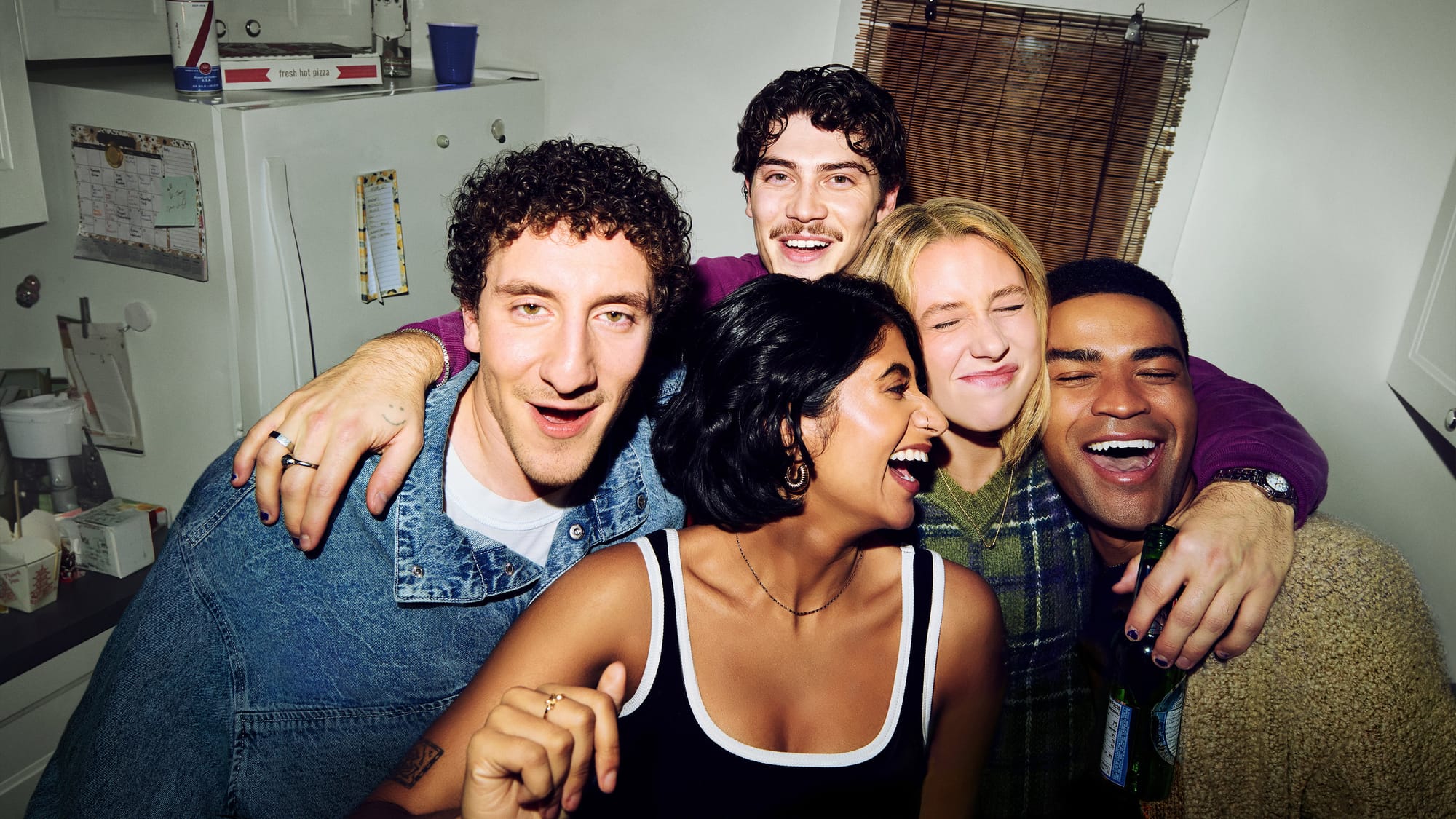
What FX/Hulu Actually Buys
The structural question matters more than the aesthetic one. Adults exists in a distribution model that is genuinely unusual in 2024: produced under FX's creative infrastructure, delivered via Hulu, living in the ambiguous space between cable prestige and streaming volume. That space, increasingly, is where character-driven ensemble comedy survives — and understanding why requires looking at what each side of the equation actually provides.
FX's creative umbrella grants something money can't directly purchase: institutional patience. The network has a documented history of allowing comedies — What We Do in the Shadows (2019), The Bear (2022), Reservation Dogs (2021) — to build audiences across multiple seasons rather than demanding immediate virality. The algorithm does not govern the renewal conversation in the same way it does at pure-play streaming services. That patience is what allows a show to have a second season that is meaningfully better than its first, because the writers had a first season in which to learn.
Hulu's delivery mechanism, meanwhile, provides reach without the genre-flattening pressure of true mass-market broadcast. The audience finding Adults on Hulu is self-selected in ways that a network audience cannot be. These are viewers who navigated to a specific show rather than landing on it. That distinction shapes what the show can afford to assume about who is watching — and how much it can trust them.
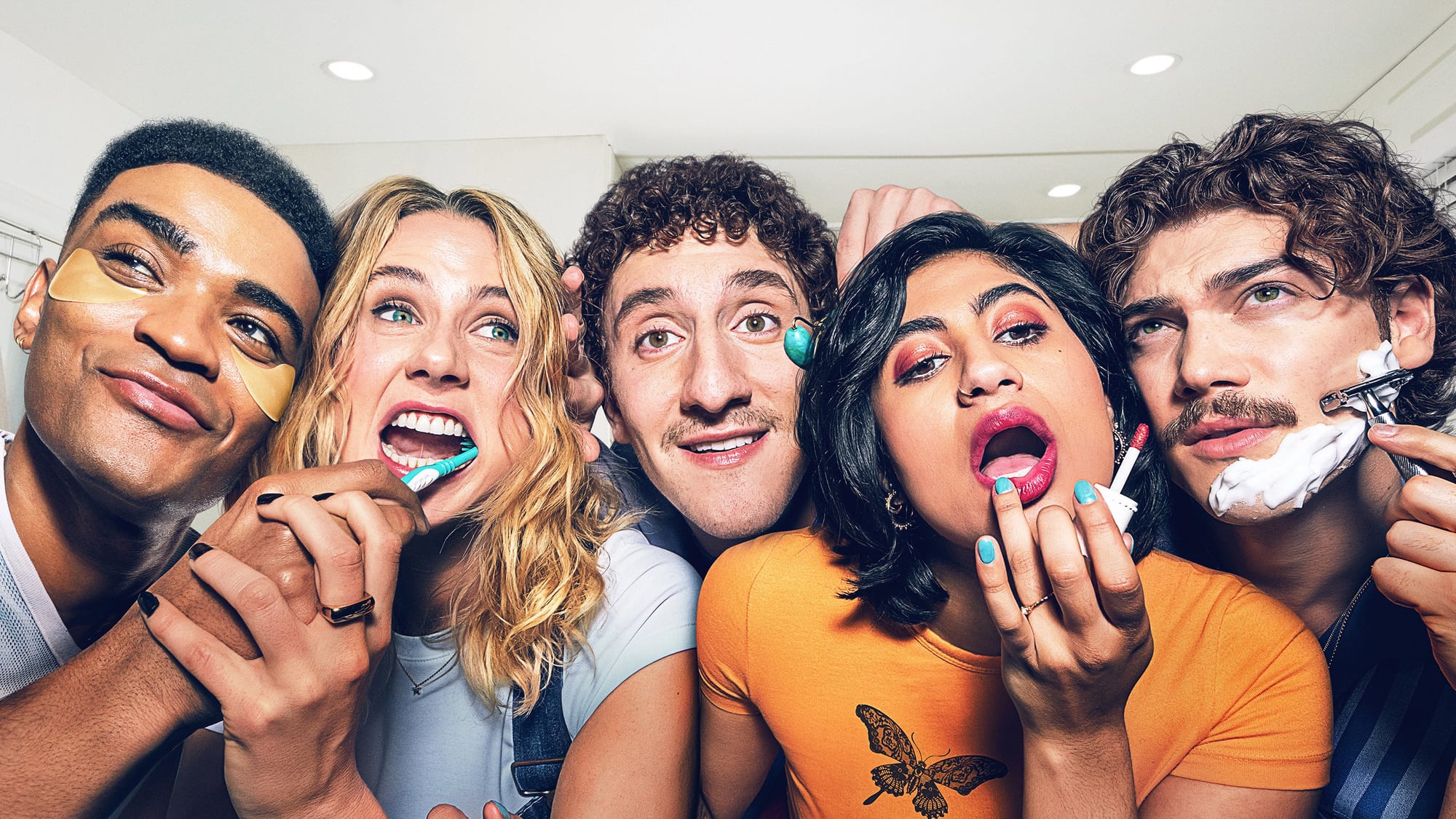
The Consolidation Problem and the Remaining Gap
Streaming consolidation has not been kind to comedy in particular. The economics of prestige drama — long episodes, cinematic production, award-cycle visibility — translate well to the metrics that justify platform investment. Comedy, especially ensemble comedy without a high-concept hook, generates less of the data that streaming platforms use to defend renewal decisions. It is harder to A/B test the warmth of a room full of people who genuinely like each other.
What the quiet critical upgrade of Adults Season 2 reveals is not a surprise success story but a proof of concept for a specific structural argument: the cable-adjacent hybrid model is not merely surviving — it is actively producing the conditions under which this category of television gets to be good. The gap left by the collapse of mid-budget network comedy and the algorithm-driven attrition at pure streaming is not being filled randomly. It is being filled by the institutional memory of cable networks that still believe a second season is part of the creative process, not a reward for first-season performance.
Adults is not the biggest comedy on television. It may not be the best. But its maturation from Season 1 to Season 2 is the most structurally legible story in comedy right now — a show that was given the conditions to grow, and grew. In the current landscape, that is its own kind of argument.