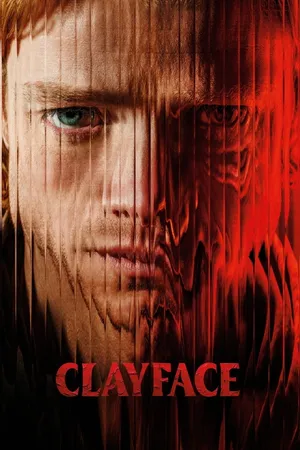
A $108 million domestic opening weekend does not, by itself, mean anything is fixed. Studios have been printing large opening weekends off IP recognition for two decades, often without a single coherent creative decision driving the result. What makes Zach Cregger's Resident Evil (2025) different — and genuinely worth examining beyond the revenue — is the specific profile of the director behind it, the critical fracture it produced, and what both of those things reveal about the machinery of video game adaptation at a structural level. The number is the headline. The argument underneath it is the story.
The Director as the Disruptive Variable
Cregger arrived in feature horror with Barbarian (2022), a film that worked precisely because it refused to behave like a genre film. It misdirected, withheld, recontextualized, and trusted its audience's discomfort more than their desire for resolution. It was not a polished IP delivery mechanism. It was a filmmaker thinking in the dark. The fact that it grossed nearly $45 million against a $4.5 million budget made studios pay attention, but the more important signal was critical and cultural: Barbarian was discussed the way films get discussed when they leave a mark on the nervous system, not just the weekend box office.
Attaching Cregger to a Resident Evil reboot was, therefore, not a conservative studio decision. It was a bet that the franchise's persistent commercial underperformance relative to its cultural weight — the games remain among the most beloved in horror gaming — was a creative problem requiring a creative solution, not another round of production design and franchise scaffolding. That bet has now returned $108 million in its first three days, which is more than any previous entry in the film series earned in its entire domestic theatrical run. The math is decisive. The question is what, specifically, it is decisive about.
What Video Game Adaptations Keep Getting Wrong
The history of video game cinema is, with a handful of recent exceptions, a history of category confusion. Filmmakers and studios have historically approached game IP as though the asset being licensed were the plot — the narrative sequence of events a player moves through. This is the wrong asset. The narrative of most games is functional scaffolding. What players form emotional attachments to is atmosphere, tactile tension, the particular feeling of being inside a world with specific rules about danger. Resident Evil the game series is not beloved because of its storylines, which have grown famously baroque to the point of self-parody. It is beloved because of a sensation: the slow-building dread of limited resources, enclosed spaces, and enemies that do not behave the way horror instinct expects.
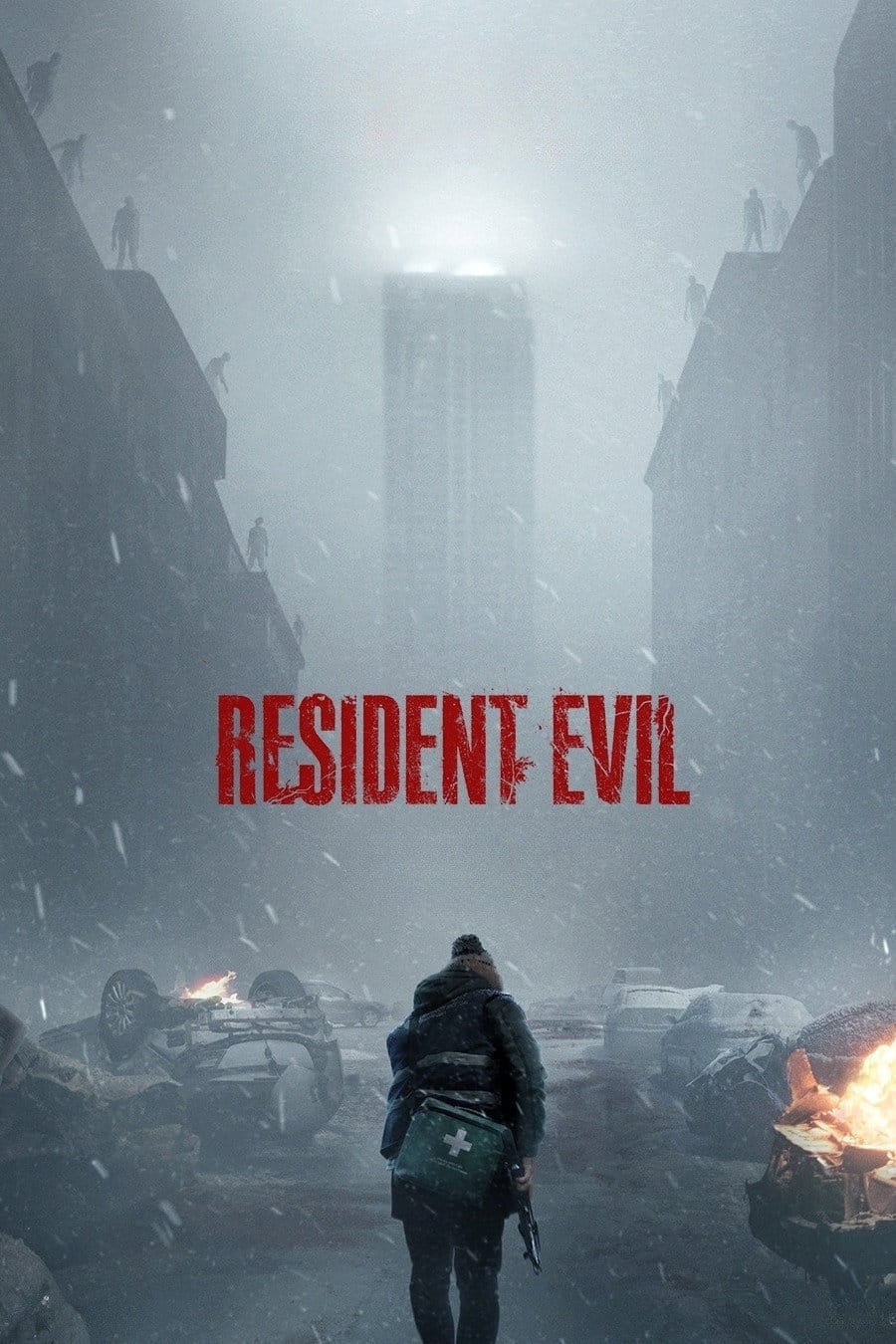
The Paul W.S. Anderson films — six of them between 2002 and 2016 — understood none of this. They treated the IP as a vehicle for kinetic action and the star persona of Milla Jovovich, producing films that bore the brand while evacuating every quality that made the brand meaningful. They were not failures of execution. They were failures of diagnosis. Anderson never identified what he was actually adapting. The films made money in aggregate largely on brand recognition and international markets, but they left the potential of the IP permanently unrealized.
Cregger's apparent intervention — based on what has filtered through from early screenings and critical responses — is to return to the sensation. To treat the locked room, the corrupted body, the sound design of something wrong in an adjacent corridor, as the primary material. This is auteur instinct applied to franchise constraints, and it is the correct diagnosis.
Reading the Critical Split
The fracture in critical response is not noise. When a franchise film opens to near-universal audience approval and a genuinely divided critical reception, it typically signals one of two things: either the film is cynically engineered crowd-pleasing with no interior substance, or it is doing something formally unusual enough that critics accustomed to genre convention are genuinely uncertain how to evaluate it. The former produces unanimous critical dismissal alongside audience enthusiasm. The latter produces the specific pattern visible here — passionate defenses sitting next to serious objections, both sides engaging with the film's actual choices rather than dismissing the exercise.
The objections are largely structural. Some critics have argued that Cregger's instinct toward ambiguity and withholding — the engine of Barbarian's effectiveness — does not fully survive the weight of franchise obligation, that the film's third act contracts into the kind of legible resolution that IP continuity demands. This is a legitimate critique, and it points to the central tension in the auteur-franchise negotiation: studios hire singular voices to solve a creative problem, then apply pressure on exactly the singularity that made those voices valuable in the first place. Whether Cregger navigated that pressure better or worse than the evidence suggests is something individual viewers will calibrate differently. But the fact that critics are arguing about his choices — rather than ignoring them — confirms that there are actual choices to argue about. That alone distinguishes this film from the majority of franchise horror output.
The Structural Argument Being Made
What the $108 million opening actually demonstrates is that audiences for horror-adjacent IP do not require the dilution of horror into action-spectacle. The assumption that mainstream franchise audiences will resist genuine dread — that PG-13 palatability and action setpieces are commercial necessities — has shaped video game adaptation strategy for twenty years and produced a consistent record of underperformance relative to IP value. Resident Evil under Anderson never became a franchise with cultural authority proportional to its brand recognition. It was always a slightly embarrassing cousin to the games.
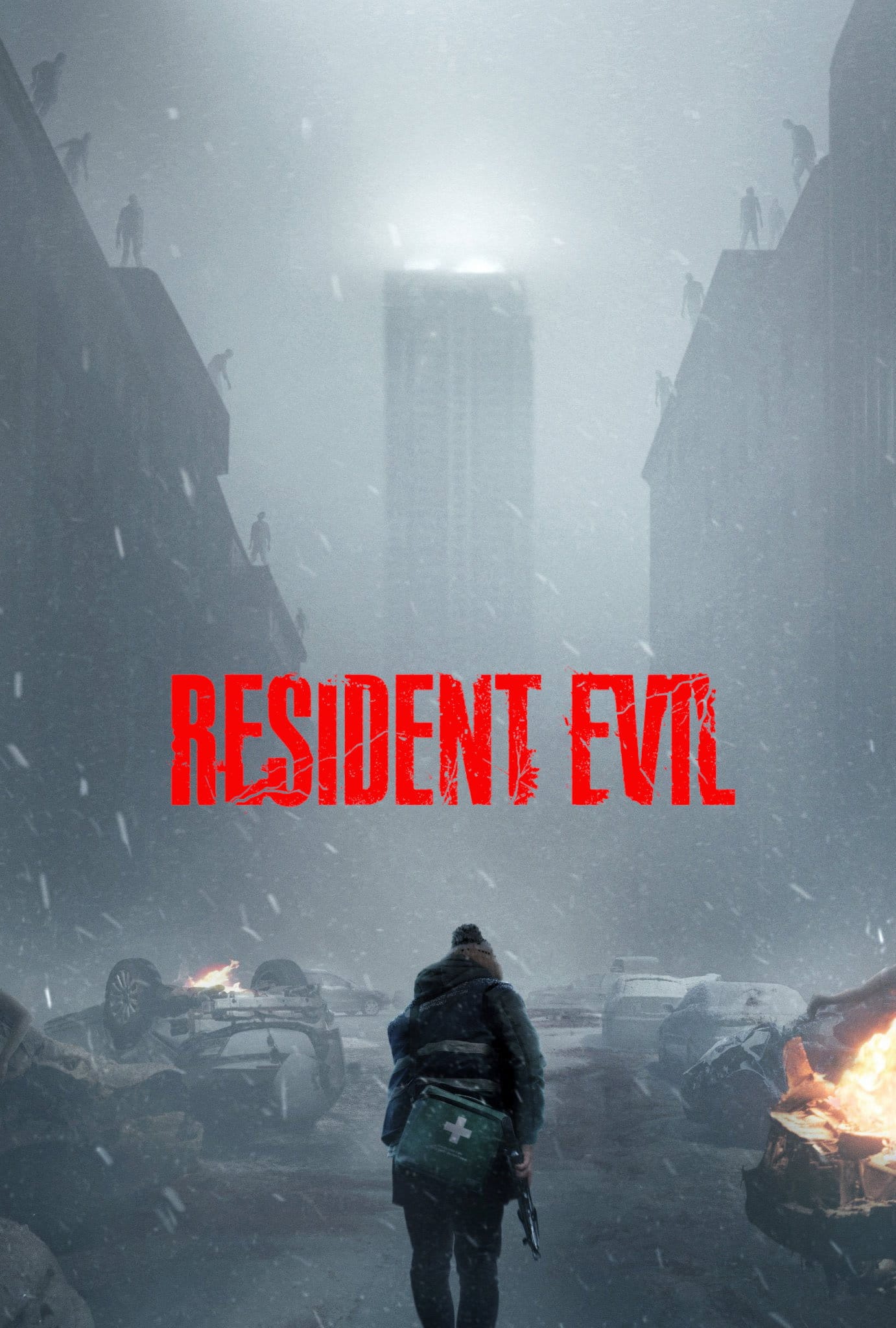
Cregger's opening weekend, if it holds and compounds into a strong total run, makes a falsifiable argument: that hiring a filmmaker who treats horror as a formal discipline rather than a genre checkbox, and allowing that filmmaker sufficient latitude to do what they actually do, is not a risk mitigation failure but a risk mitigation strategy. The audience for Resident Evil was always there. It was being asked to accept a lesser version of what it already loved.
What Comes Next Is the Real Test
A single film, however successful, is not a paradigm shift. Studios are institutional, and institutional responses to anomalous data points tend toward replication of surface features rather than underlying logic. The risk is that what gets extracted from Cregger's success is the hire-an-indie-horror-director formula without the accompanying mandate to actually let that director direct. The lesson is replicable. The conditions that produce the lesson are harder to replicate, because they require a studio to tolerate creative decisions it cannot fully predict or control.
The more durable signal will be whether Cregger is given sequel autonomy commensurate with what he delivered in the first film, and whether other studios draw the correct inference — that the creative fix for struggling game adaptations is not better visual effects or bigger budgets but better diagnosis of what the source material is actually made of. Horror games are made of dread, atmosphere, and the player's identification with vulnerability. Films that replicate those qualities, rather than replace them with action, are not the difficult commercial choice. As of this weekend, they are demonstrably the easier one.
The box office number is the proof of concept. The argument it supports is older and more important: that restraint, specificity, and formal seriousness are not obstacles to commercial success in genre filmmaking. For twenty-four years, this franchise spent enormous resources proving the opposite. Cregger appears, in a single opening weekend, to have closed that case.