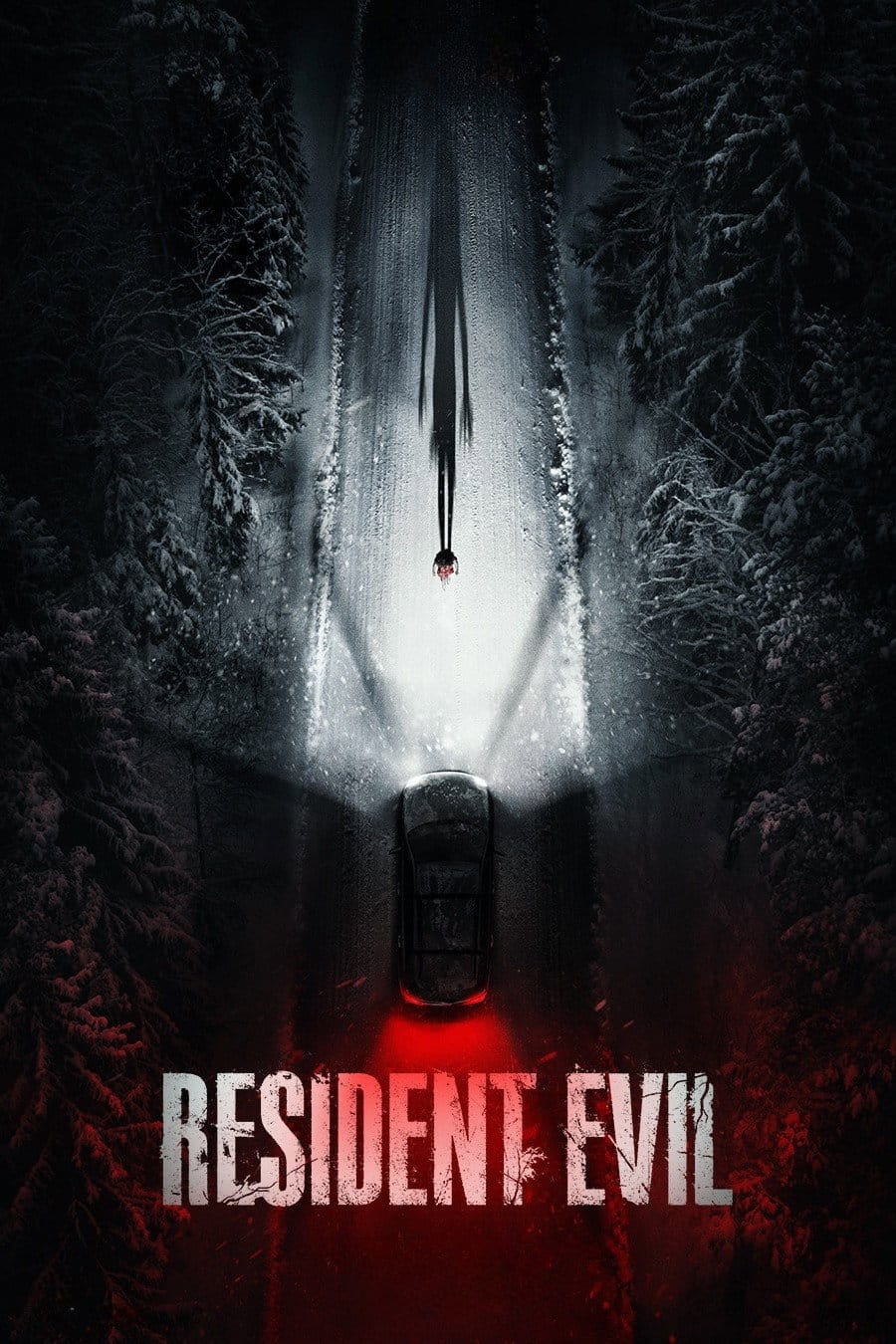
The early word out of Fantastic Fest is that Zach Cregger's Resident Evil (2026) is "absolutely wild." That phrase, deployed by critics who have seen it before the September 18 wide release, is doing a lot of careful work. It doesn't say good. It doesn't say faithful. It says wild — which, when you consider the decade of cautious, brand-managed mediocrity that preceded this film, might be the most encouraging word in the English language.
Cregger earned his credibility the hard way. Barbarian (2022) was a zero-pedigree original horror film that somehow became the most discussed genre release of its year — not because of its marketing, which was deliberately opaque, but because of the structural audacity of the film itself. It weaponized audience expectation. It changed its own rules mid-sentence. It made people feel genuinely unsafe in a multiplex, which is an increasingly rare sensation. The industry took note, and the logical conclusion of that attention is what we are now looking at: a major video game IP, historically cursed on screen, handed to a director whose entire value proposition is that he does not make what you expect.
The Resident Evil franchise's adaptation history is a case study in how brand loyalty functions as a creative ceiling. Paul W.S. Anderson's original series, beginning with Resident Evil (2002), was a commercial engine that ran for six films and generated over a billion dollars globally. It was also, critically and artistically, something closer to a recurring accident than a coherent vision — each entry more detached from the source material, more reliant on Alice, a character invented wholesale for the screen, and more interested in post-apocalyptic action spectacle than in the claustrophobic dread that made the games culturally significant. When that series finally ended, it didn't conclude so much as exhaust itself.
Then came Resident Evil: Welcome to Raccoon City (2021), a reboot that promised fidelity to the games and delivered a film that felt like a Wikipedia summary rendered in practical sets. And the Netflix series, Resident Evil (2022), which was cancelled after a single season. The IP, in other words, arrived at Cregger's desk trailing wreckage. The question that surrounded his hiring wasn't whether he could make a good film. The question was whether anyone would let him make his film.
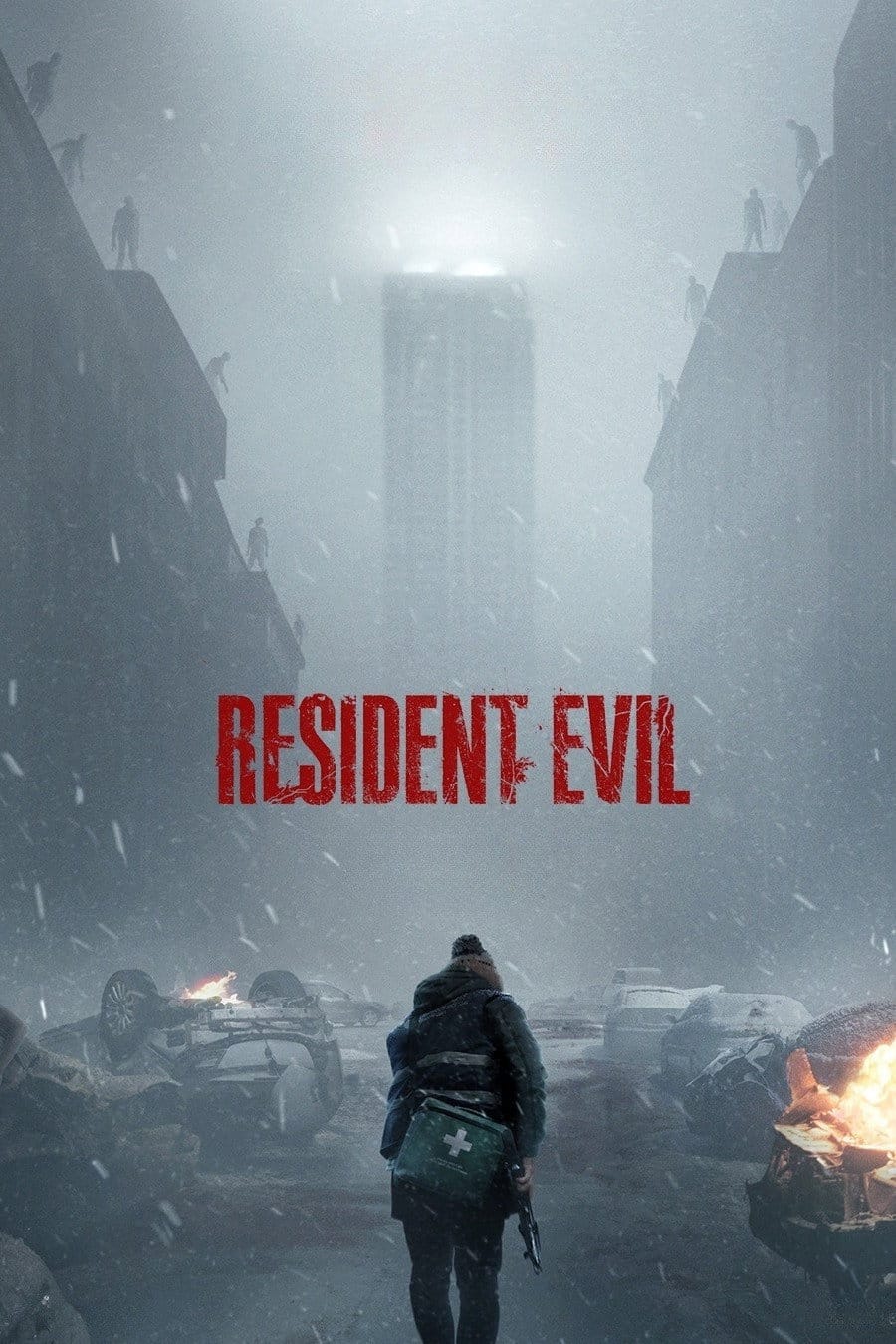
Cregger has been explicit in how he frames the project. He has described this Resident Evil as an auteur film that happens to wear the franchise's name — a statement that sounds like a press-tour talking point until you sit with its implications. What he is actually saying is that he negotiated creative autonomy as a precondition, that the film exists as an expression of a singular directorial vision first and a brand extension second. That sequencing matters enormously. It is the opposite of how franchise films are typically constructed, where IP logic drives every decision and the director is, functionally, a skilled contractor executing someone else's blueprint.
The industry's relationship with auteur-driven franchise work is complicated and relatively recent. The evidence that artistic autonomy produces better outcomes is now substantial enough that it should no longer be controversial. Matt Reeves's The Batman (2022) succeeded precisely because Warner Bros. allowed an idiosyncratic noir sensibility to override conventional superhero architecture. Denis Villeneuve was given the latitude to make Dune: Part One (2021) as a slow, meditative science fiction epic rather than an action vehicle, and the result was the rare franchise tentpole that expanded the audience for literary science fiction rather than merely consuming it. Gareth Edwards was trusted to make Rogue One: A Star Wars Story (2016) as a war film. The pattern is consistent: when studios treat IP as a container that a filmmaker fills rather than a template a filmmaker executes, the results are measurably different.
The counterargument, which the industry clings to in risk-averse moments, is that auteur instincts are precisely what alienate general audiences — that franchise films live and die on familiarity, and that a director who makes "absolutely wild" creative choices is a liability rather than an asset. This argument has the virtue of being historically defensible in specific cases, but it ignores what the Resident Evil franchise already proved: playing it safe didn't work. A decade of adaptations that prioritized brand coherence over creative integrity produced diminishing returns, critical indifference, and a property with genuine cultural equity that had been functionally devalued. If the floor is already visible, the risk calculation changes.
What Cregger brings, beyond craft, is a specific understanding of horror architecture that is unusually well-suited to this material. The games that built the Resident Evil identity — particularly the original trilogy and the later entries that regenerated the franchise, like Resident Evil 7: Biohazard (2017) and Resident Evil Village (2021) — operate on spatial dread. They are about the horror of enclosed environments, of not knowing what is on the other side of a door, of resource scarcity making every encounter existential. Barbarian is structurally obsessed with the same mechanics. It is a film about a house that keeps revealing new depths, about the horror of descent, about what happens when a space refuses to be fully known. The formal overlap is not incidental. Cregger was not an arbitrary hire.
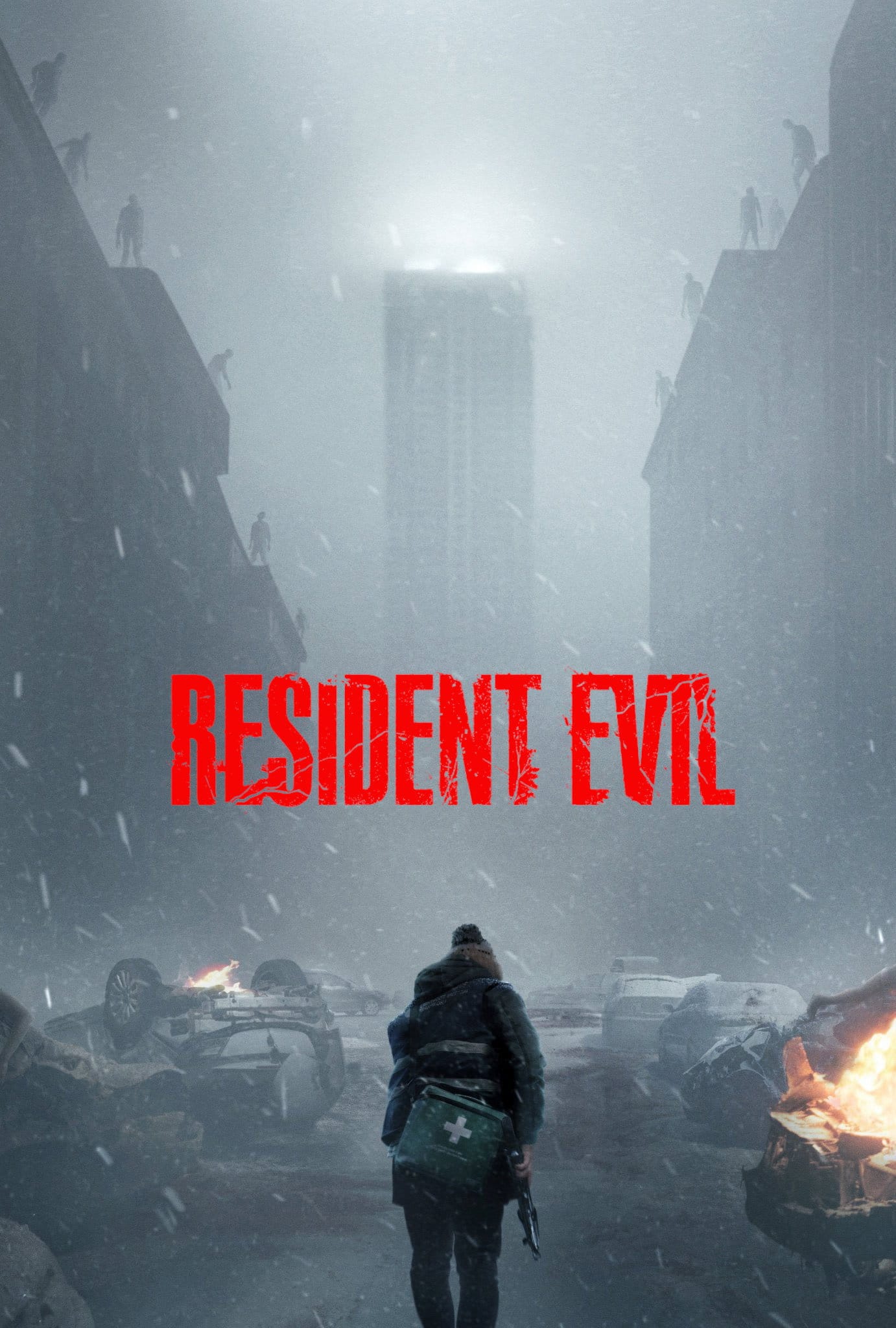
The Fantastic Fest premiere matters as a signal for reasons beyond the early reactions. Fantastic Fest is not a mainstream showcase. It is a festival built for genre audiences who are specifically resistant to corporate filmmaking, who can smell the difference between a film made by a director and a film made by a committee. Premiering there, ahead of wide release, suggests a level of confidence in the film's identity that is distinct from confidence in its commercial prospects. It says: this film can survive the scrutiny of an audience that will not be managed by marketing.
Whether Resident Evil (2026) succeeds commercially is a separate question from whether its production model represents a correction. The film itself will be judged on September 18, and the reactions will be what they are. But the more durable story is structural. A franchise with a documented history of failure under conventional franchise logic was given to a director with documented credibility in original horror and, apparently, the creative autonomy to treat the material as his own. That decision — the decision to trust artistic instinct over brand protocol — is either a lesson the industry is finally internalizing, or a one-time exception that will be walked back the moment the quarterly numbers demand it.
The early word says "absolutely wild." If that turns out to mean what the best version of that phrase implies — unruly, dangerous, made by someone who was not managing downside risk — then the real premiere at Fantastic Fest isn't a movie. It's a proof of concept.