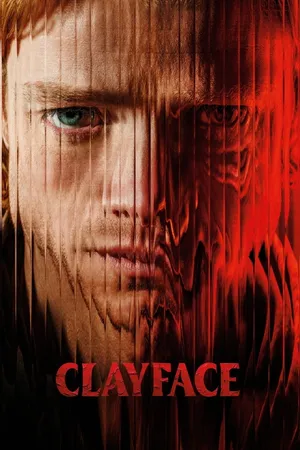
Thirty days. That's all that separates audiences from the release of Resident Evil (2026), the third attempt by Hollywood to make a workable film franchise out of Capcom's survival-horror institution. The first attempt, Paul W.S. Anderson's eight-film run, made money and almost nothing else. The second, Johannes Roberts's Resident Evil: Welcome to Raccoon City (2021), corrected Anderson's maximalism with a faithful, cramped period recreation and still failed to ignite. Now Sony has handed the keys to Zach Cregger — a director whose entire cinematic identity is built on the proposition that the most terrifying space is the one you cannot leave — and the result is either the smartest franchise decision of the decade or an extraordinarily expensive miscalculation.
The Problem Was Always Scale
Both prior iterations of Resident Evil on screen collapsed for the same structural reason, even if they collapsed differently. Anderson's series began with a contained underground facility and spent the following seven films destroying cities, continents, and eventually coherent narrative logic. Each entry escalated because escalation was the only grammar the producers trusted. Roberts's reboot understood this was wrong but overcorrected into nostalgia — a loving recreation of the 1998 game's geography that prioritized reference over tension. Neither version asked the more fundamental question: what is Resident Evil actually about, at the level of feeling?
The answer, if you've spent any time with the source material, is claustrophobia. It is resource scarcity. It is the specific dread of a door you haven't opened yet and the inventory screen that tells you, with bureaucratic coldness, that you are not equipped to survive what's behind it. The franchise's horror has always been architectural — rooms, corridors, the geometry of confinement. Every film adaptation abandoned that geometry the moment it got expensive enough to abandon it.
What Cregger Brings That No One Else Did
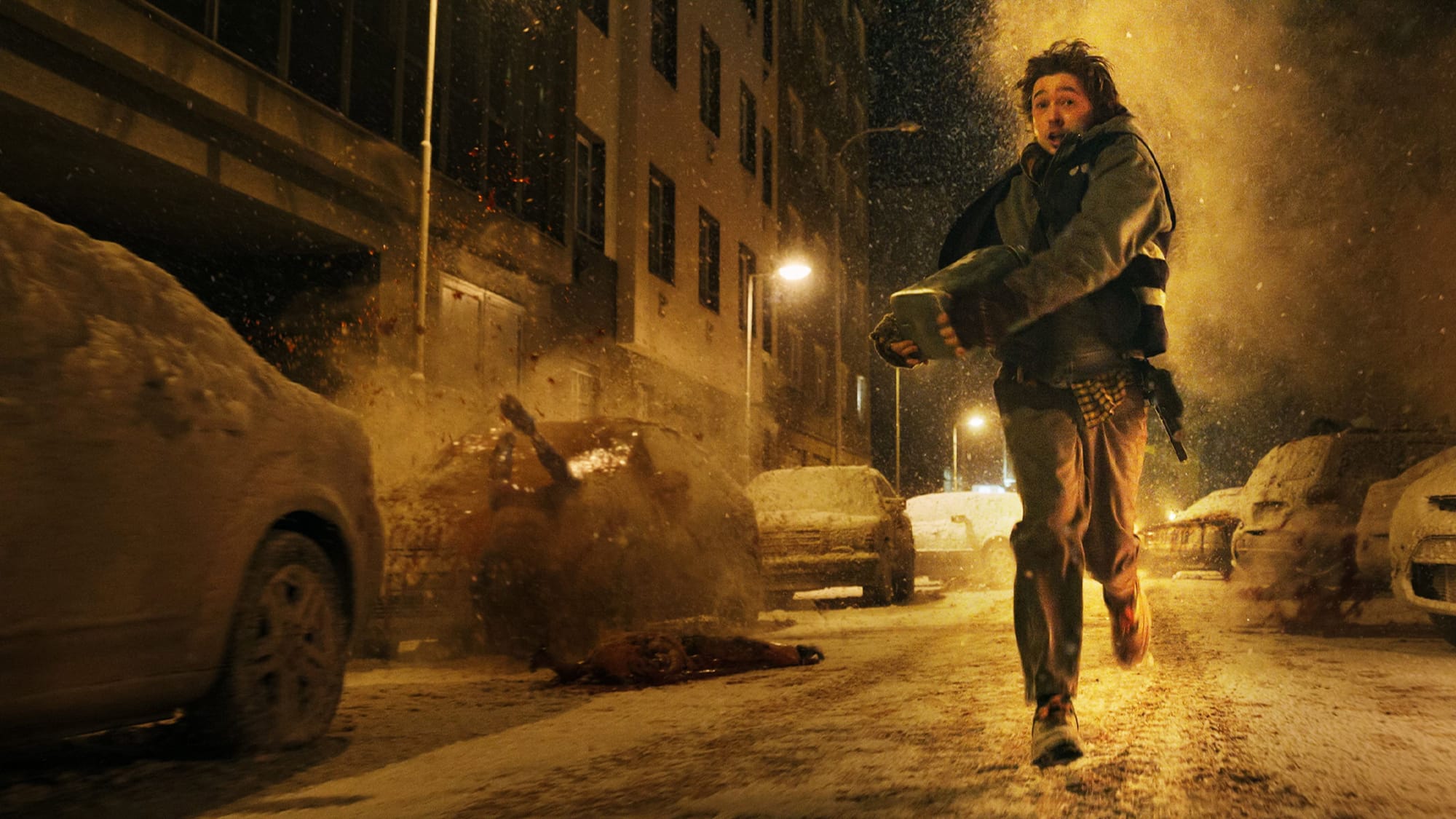
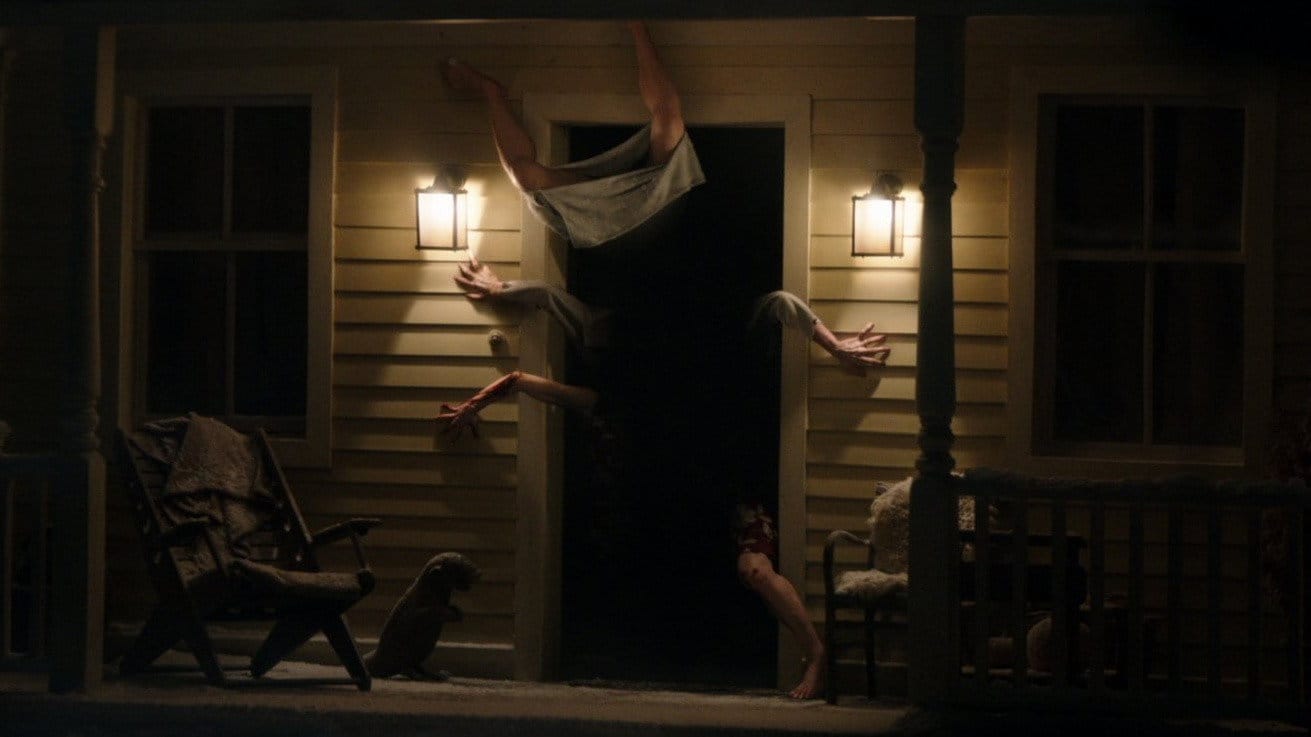
Cregger's Barbarian (2022) is, structurally, a film about a house. More precisely, it is a film about what happens when the logic of a house turns against the people inside it — when the familiar geometry of a domestic space becomes adversarial. The film works not because of its reveals, which are memorably grotesque, but because Cregger understands that dread is spatial before it is narrative. You feel the house before you understand it. By the time understanding arrives, fear is already load-bearing.
That sensibility is not incidental to what Resident Evil needs. It is precisely what Resident Evil needs. The Spencer Mansion, the Raccoon City Police Department, the underground laboratories — these are not backdrops. They are the antagonists as much as anything with teeth. A director who instinctively treats architecture as a character rather than a set is, on paper, the most coherent creative choice Sony could have made. The question is whether that instinct survives contact with a studio that greenlit a franchise reboot, not an art-house horror film.
The Structural Gamble
The tension at the center of this production is one the marketing has been careful not to resolve. Early footage suggests Cregger has been given meaningful latitude — shots that linger, a color palette closer to rot than action cinema, a pacing that does not apologize for silence. But Resident Evil is also a global IP with global commercial obligations, and the history of the franchise is largely a history of those obligations winning.
What makes this version genuinely interesting, a month out, is that Cregger has publicly framed his approach in terms that sound like a director who fought for something specific. He has talked about the films that frightened him as a child not because of what they showed but because of what they withheld. He has cited the original game's inventory system — that mechanical cruelty — as an emotional template. These are not the talking points of a director who was handed a script and a budget. They suggest, at minimum, a coherent argument about what this film should be.
Why This Moment Matters
Fall 2026 is crowded with franchise product, most of it sequel logic dressed as event cinema. Resident Evil (2026) is something rarer: a reboot with a discernible thesis. The thesis is that the franchise failed because it confused scope with stakes, and that the corrective is not a better version of the same mistake but a fundamentally different approach to where terror lives.
Cregger may not fully succeed. The commercial pressures are real, the IP expectations are significant, and the gap between a $4 million Airbnb nightmare and a studio horror tentpole is not closed by good intentions. But the argument the film is making — that you resurrect a broken franchise by contracting it, not expanding it — is the most structurally honest position anyone has taken on Resident Evil in twenty years of cinematic failure. That alone makes September 18th worth marking.
What Two Decades of Adaptations Got Wrong
Cregger inherits a franchise that spent over twenty years treating survival horror and blockbuster cinema as incompatible. Paul W.S. Anderson's six films, from Resident Evil (2002) to Resident Evil: The Final Chapter (2016), used the games' iconography as decoration — the T-virus, the Umbrella logo, a handful of names — around Alice, a character with no game counterpart. They grossed over $1.2 billion globally, which is the only honest defense of them, and that success calcified the series into spectacle without the games' dread.
Resident Evil: Welcome to Raccoon City (2021) tried to course-correct. Johannes Roberts compressed the first two games into a single night, foregrounded Leon and Claire, and rebuilt the Raccoon City Police Department with real fidelity. It cost $25 million and grossed roughly $41 million. The instincts were right; the execution was uneven; the studio pulled back.
The lessons any new version has to absorb are clear. Dread over action: the series is about scarcity, spatial tension and institutions that engineer catastrophe, not gun battles. The ensemble over the chosen one: Leon, Claire, Chris and Jill survive through competence, not invincibility. And lore as architecture, not decoration. With The Last of Us and Fallout having moved the bar for game adaptations, Resident Evil is no longer competing only with its own history.