Rick Moranis did not burn out. He did not collapse under the weight of fame, develop a reputation for being difficult, or disappear into a spiral that Hollywood whispers about for years. He simply decided to stop. And in an industry that treats visibility as the only currency that matters, that decision made him mythological.
Now, with Spaceballs 2 officially in development at Amazon MGM Studios — with Mel Brooks returning to direct and Moranis confirmed to reprise his role as the absurdly coiffed Dark Helmet — the question is not whether the film will work. The question is what it means that Rick Moranis is willing to work at all.
Why He Mattered in the First Place
There is a particular kind of comedy performer who operates below the threshold of chaos — someone whose power comes not from dominating a scene but from inhabiting it with an almost pathological specificity. Moranis was that performer, and he was operating at that level throughout one of the most commercially and culturally saturated decades in American cinema history.
In Ghostbusters (1984), he played Louis Tully, a nerdy accountant neighbor who becomes possessed by a demigod — and somehow made the human moments funnier than the supernatural ones. The dinner party monologue, delivered to no one who cares, is a masterclass in comic commitment. He was not the star. He did not need to be.
In Gremlins (1984), his cameo as a man wrestling with a malfunctioning car is twelve seconds of pure physical absurdism. Twelve seconds. People still talk about it.
The Breakfast Club (1985) defined a generation's emotional vocabulary, but it was the same year Moranis appeared in My Blue Heaven-era comedies that cemented his range. Then came Little Shop of Horrors (1986), where he carried a musical as the hapless Seymour Krelborn opposite a man-eating alien plant, proving he could hold a frame with genuine pathos underneath the pratfalls.
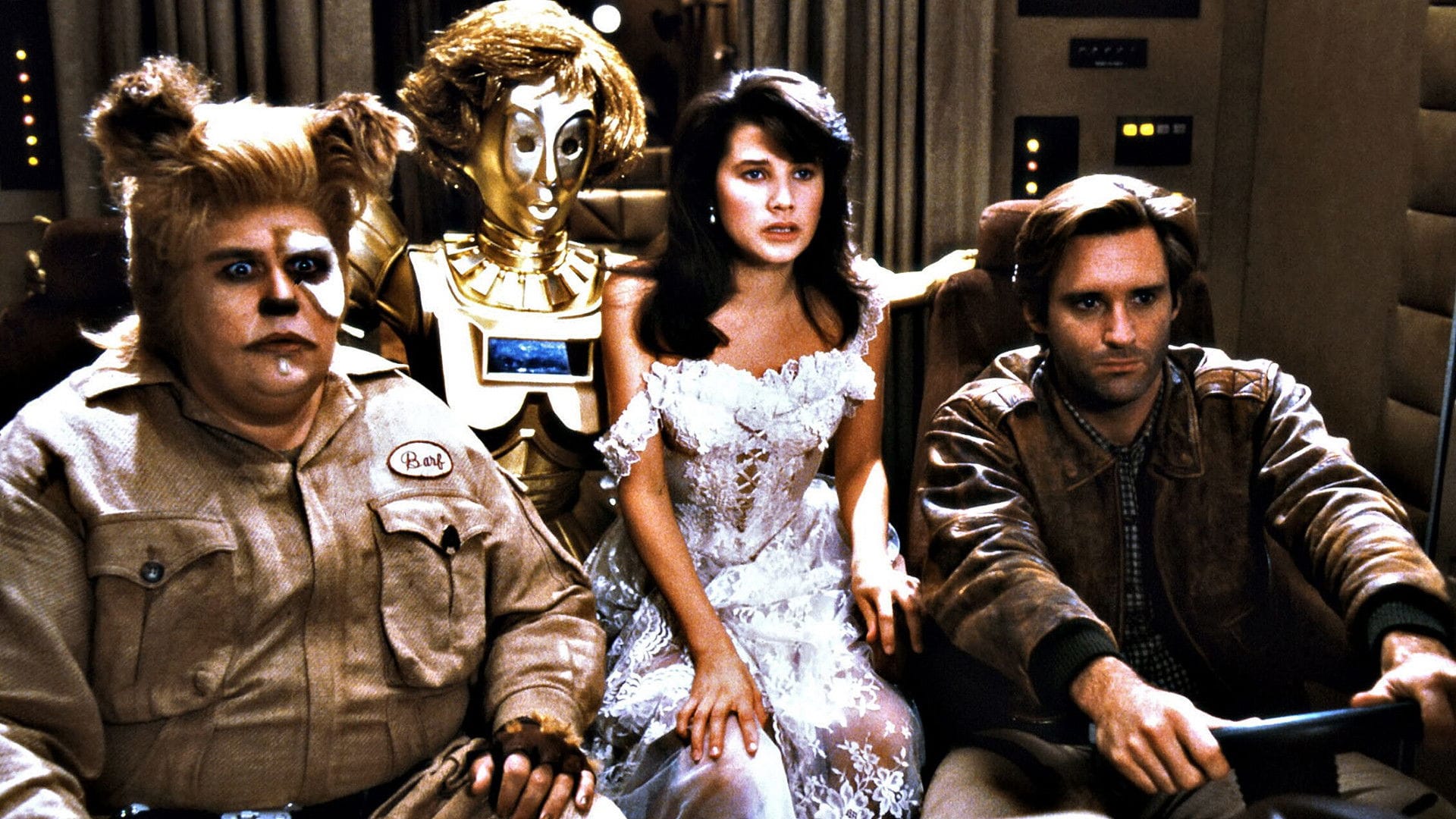
Spaceballs (1987) was the peak of his absurdist register. Dark Helmet — with that oversized helmet, the toy figurines, the petty grievances delivered at operatic volume — is one of the great comedic villain creations of the decade. Moranis played him without a single wink at the camera. The character believed in himself completely, and that sincerity is what made every joke land.
Then came the Honey, I Shrunk the Kids franchise — three films between 1989 and 1997 — where he played Wayne Szalinski, an inventor whose domestic incompetence borders on criminal negligence and whose warmth borders on genuine. Those films made hundreds of millions of dollars. Moranis made them feel like something smaller and more human than their concept deserved.
The Withdrawal
In 1997, Rick Moranis's wife, Ann Belsky, died of breast cancer. They had two young children. He looked at his career, looked at his family, and made a calculation that very few people in his position have ever made: he chose his children over his momentum.
He turned down projects — including, reportedly, the Ghostbusters sequel and several high-profile comedies — not because he was damaged or disillusioned, but because he was a father who decided that being present mattered more than being famous. He moved to New York. He raised his kids. He occasionally recorded music — his 2005 bluegrass album The Agoraphobic Cowboy received a Grammy nomination and was reviewed by people genuinely surprised it was good.
He gave almost no interviews. He made almost no appearances. He did not write a memoir positioning his absence as a spiritual journey. He just… lived. The mythology built itself around the silence.
Hollywood tends to pathologize withdrawal. An actor who steps away is assumed to be struggling, unstable, or bitter. Moranis refused that narrative simply by not engaging with it. His disappearance was not a tragedy. It was a choice, made by a man who understood what he was choosing and what he was trading.
The Return Begins — Carefully
When Moranis resurfaced in 2020 for a Mint Mobile commercial alongside Ryan Reynolds, the internet treated it as an event. A thirty-second advertisement generated more genuine cultural conversation than most films released that year. That is the measure of his absence — and of what he represented to the people who grew up watching him.
He appeared briefly in the Ghostbusters: Afterlife (2021) credits sequence, a cameo so brief it functioned more as acknowledgment than return. The message was clear: he was willing to dip a toe in. He was not ready to dive.
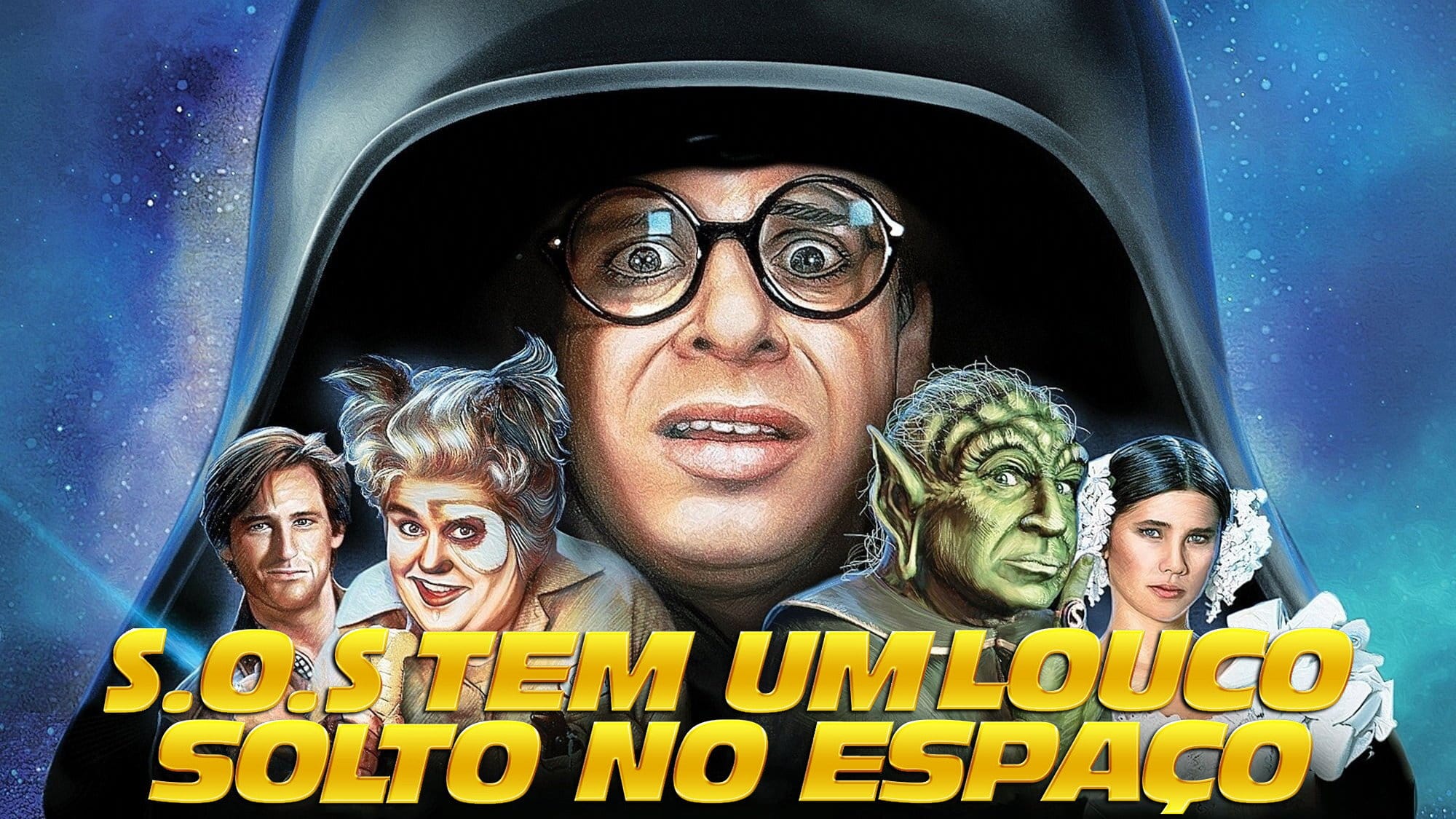
Spaceballs 2 is the dive.
Why This Film, Why Now
The decision to return for a sequel to Spaceballs specifically is not arbitrary. Mel Brooks is 98 years old. The original film is a shared artifact between them — a piece of work that belongs to both of them equally, where Moranis's performance is not a supporting turn but a structural pillar. If there is one project that earns his full return, this is the one.
There is also something honest about the choice. Spaceballs 2 is not a prestige pivot. It is not Moranis attempting to prove he can do something serious, or distancing himself from the comedies that defined him. It is a direct embrace of the work he did, the character he built, and the filmmaker he built it with. That kind of loyalty is rare in an industry that asks performers to constantly reinvent themselves to stay relevant.
The comedy landscape he is returning to is fundamentally different from the one he left. Irony has curdled into self-awareness, self-awareness into meta-commentary, and meta-commentary into exhaustion. What Moranis did — sincere, specific, fully committed character work inside broad comedy — is genuinely scarce now. His instinct to play Dark Helmet straight, to let the absurdity emerge from belief rather than from mugging, is a skill that much of contemporary comedy has forgotten it needs.
What a Return Actually Means
The cultural appetite for Moranis's return is real, but it carries a risk he is presumably aware of: nostalgia is a powerful anesthetic. Audiences can embrace a returning figure not because of what he is doing now but because of how he makes them feel about what he did then. The standing ovation before the performance begins.
The version of Rick Moranis worth caring about is not the preserved one from 1987. It is whatever he has become after twenty-seven years of living outside the machine — a performer who chose his own terms once and is now choosing them again. Dark Helmet will return. The question Spaceballs 2 will actually answer is whether Rick Moranis, at this stage, still has things to say inside a comedy frame — or whether the frame is simply a comfortable way back in.
Given his history, the smart money is on the former. Moranis has never done anything without knowing exactly why he was doing it.