There is a particular kind of promise embedded in the phrase "return to form." It implies that a director's truest instincts were merely dormant — paused, not erased — and that the right conditions will resurrect them intact. With Onslaught (2026), Adam Wingard and A24 are betting heavily on that promise. The film opens today to a fractured critical reception, with praise clustering around its kinetic surface and skepticism drilling into everything underneath. Both responses are correct. That tension is precisely the problem.
The Franchise Residue Problem
Wingard built his reputation on films that treated genre as a pressure system — You're Next (2011) and The Guest (2014) were machines for generating dread and ironic pleasure simultaneously, operating on micro-budgets that forced formal discipline. Then came Blair Witch (2016), then the escalating scale of Godzilla vs. Kong (2021) and Godzilla x Kong: The New Empire (2024). Those films are not an embarrassment. They are, however, a specific education — one that trains a filmmaker to think in spectacle quanta, to satisfy pre-existing appetites rather than create new hungers.
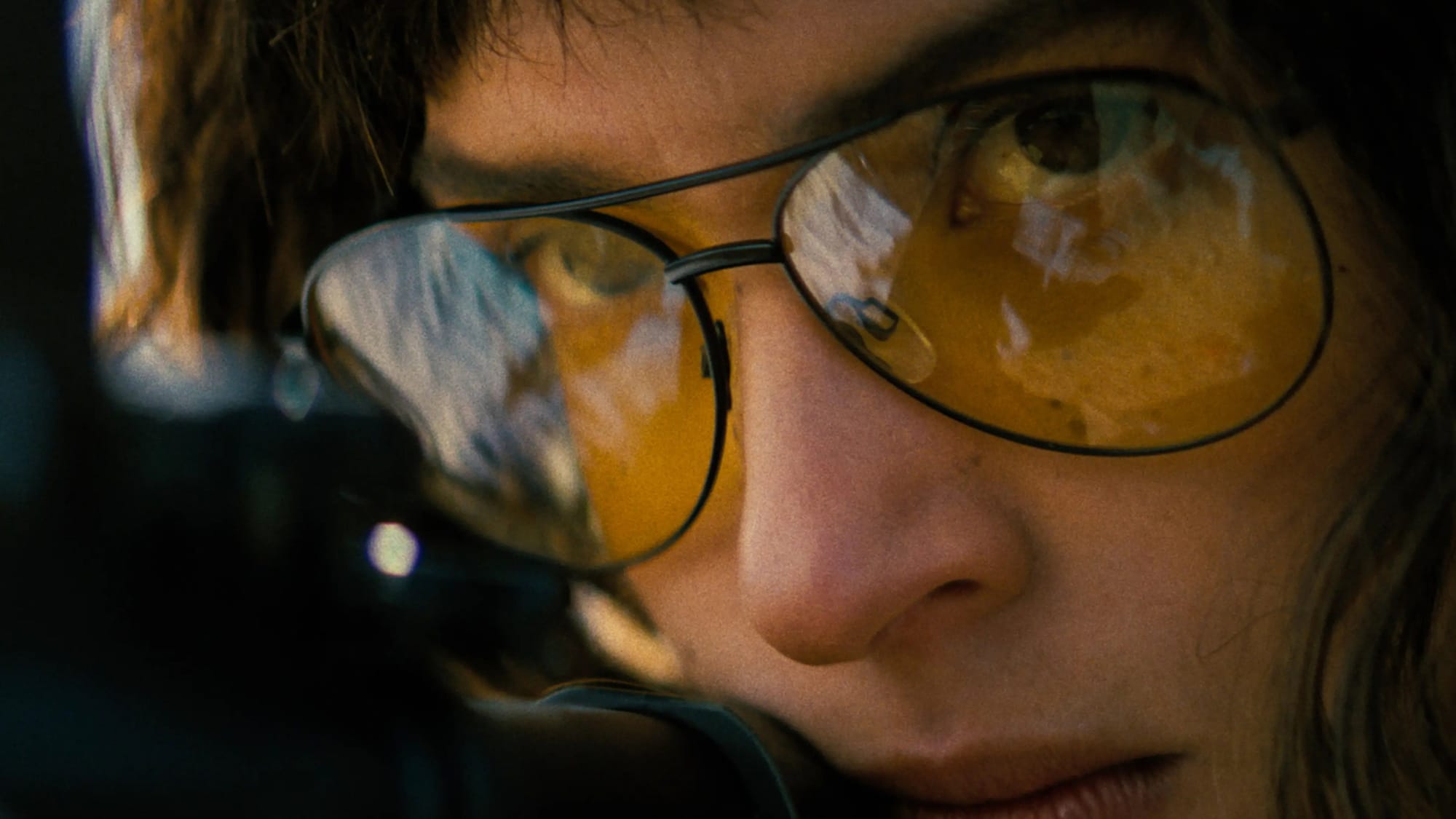
The question Onslaught forces is not whether Wingard still has taste. He demonstrably does. The question is whether taste, once recalibrated to the rhythms of franchise delivery, can be fully re-tuned. The evidence here is genuinely ambivalent. Wingard's action sequences are viscerally precise in a way that recalls The Guest's corridor violence — but they also carry a faint over-engineered quality, a slight excess of coverage, as if he's still unconsciously protecting the edit for studio notes that will never come.
What A24 Can and Cannot Fix
A24's involvement reframes the film's commercial positioning more than its DNA. The studio has become the industry's most reliable signal that a genre work is asking for critical engagement rather than simply delivering product — but that reputation is a context, not a corrective. It cannot reach inside a director's muscle memory and recalibrate what feels like enough. Onslaught is, in stretches, genuinely uncomfortable in the ways Wingard's best work is uncomfortable: violence that lands with weight, tension that doesn't immediately resolve into release. Those passages feel earned. They also feel intermittent.
The split reviews are not evidence of a polarizing film in the productive sense — the kind of work that divides audiences because it demands something. They are evidence of a film that achieves its style convincingly and then runs up against the limits of what that style is being asked to carry. The horror architecture is sound. The substance it encloses is thinner than the architecture deserves, and that disproportion is a franchise-era signature: the priority of execution over interiority, the polish applied before the excavation is finished.
Whether Instincts Can Actually Be Reclaimed
The harder diagnostic question isn't specific to Wingard. It applies to any filmmaker who spends a significant portion of their creative middle-age inside a system designed to subordinate individual vision to franchise continuity. Colin Trevorrow, Gareth Edwards, Michelle MacLaren — the IP machine doesn't destroy directors, but it does conduct a long, low-grade restructuring of their instincts around what constitutes a solvable problem. Genre filmmaking at the independent level requires a tolerance for unresolved tension, for endings that don't fully close, for meaning that accumulates without announcing itself. Those are muscles. They atrophy.
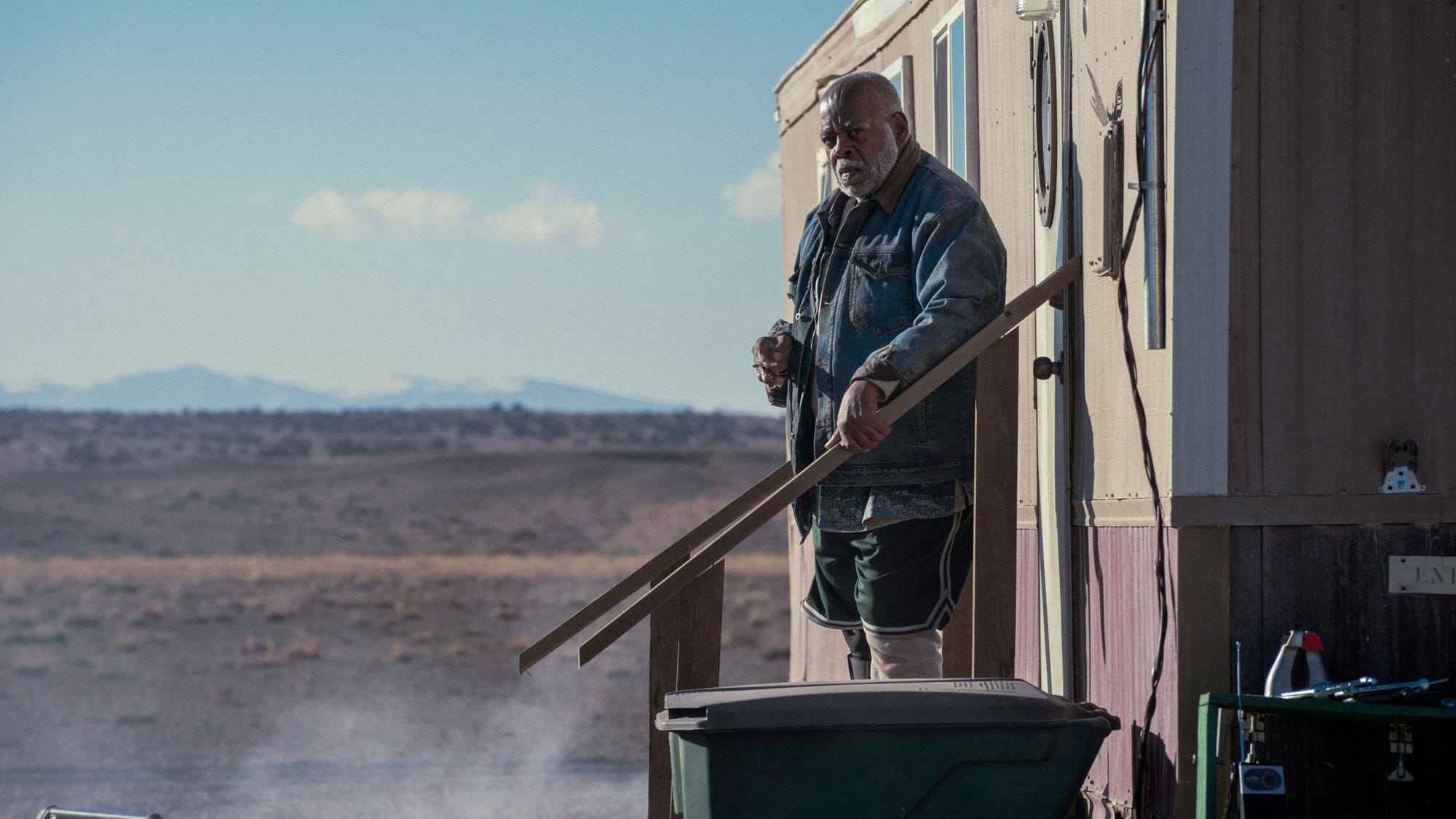
Wingard is clearly working to rebuild them in Onslaught. There are sequences here — a sustained mid-film passage in near-darkness, a confrontation staged with almost perverse spatial minimalism — that demonstrate the capacity is not gone. They also sit inside a film that doesn't fully trust them, that moves toward conventional escalation before the quieter instincts have finished their work. That mistrust is the residue. It is not fatal, and it is not permanent. But it is present, and no amount of A24 framing dissolves it.
Onslaught is worth seeing precisely because it makes this conflict visible. It is a film in genuine negotiation with itself, and that negotiation is more interesting than either a clean comeback or a clean failure would be. Wingard hasn't reclaimed his instincts yet. He's remembering where he left them. That's a different, more honest kind of progress — and, for a filmmaker of his ability, probably a more durable foundation than a return to form was ever going to be.
 Official trailer
Read next on Kynari
- Zach Cregger's Resident Evil Reboot and What a $108M Opening Weekend Means for Auteur Horror in Franchise Filmmaking
- The 55-Point Gap: What Practical Magic 2 Reveals About Who Films Are Really For
- Primetime's New Trailer Is Making Robert Pattinson's Most Uncomfortable Case Yet: That Reality TV Manufactured a Monster