Michael (2026) did not need good reviews. That much is now settled. Antoine Fuqua's biopic of Michael Jackson — two hours and forty-seven minutes of spectacle, biography, and carefully negotiated mythology — opened to a Rotten Tomatoes score in the low fifties, collected polite-to-hostile notices from the major critical outlets, and then proceeded to earn over a billion dollars at the global box office before becoming one of the most-streamed titles of the year on its platform window. The disconnect is not incidental. It is the story.
What Critics Saw
The critical case against Michael is coherent and, in its own register, correct. Reviewers pointed to a script — co-written by John Logan — that smooths the jagged edges of Jackson's life into a redemptive arc the evidence does not fully support. They noted that Fuqua, a filmmaker whose best work operates in moral ambiguity (Training Day, 2001; Southpaw, 2015), here operates in hagiography. The film's treatment of the abuse allegations that shadowed Jackson's final two decades is strategic rather than investigative: present enough to signal awareness, contained enough to avoid disruption. For critics trained to evaluate how cinema handles difficult truth, this reads as evasion dressed in production design.
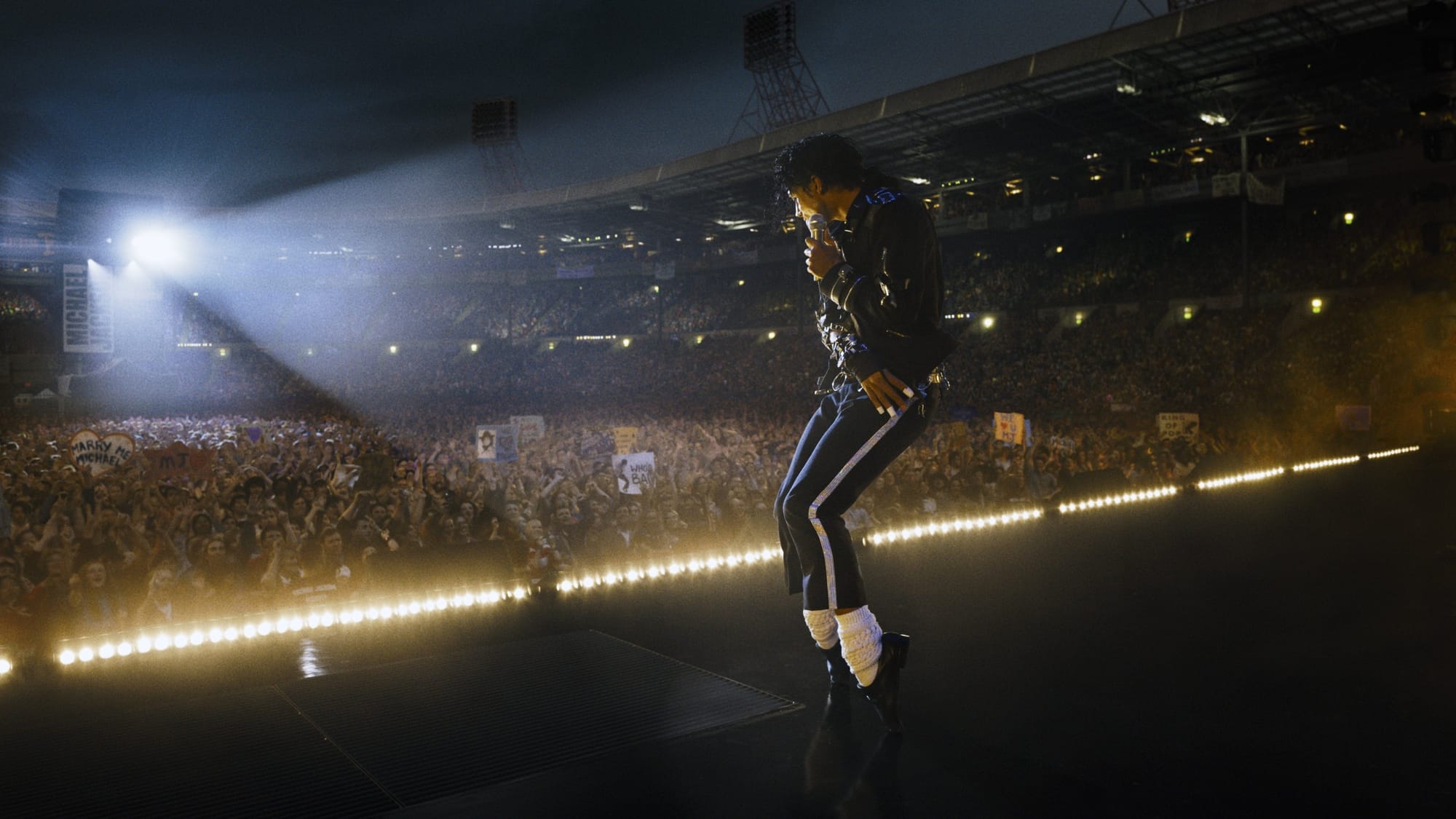
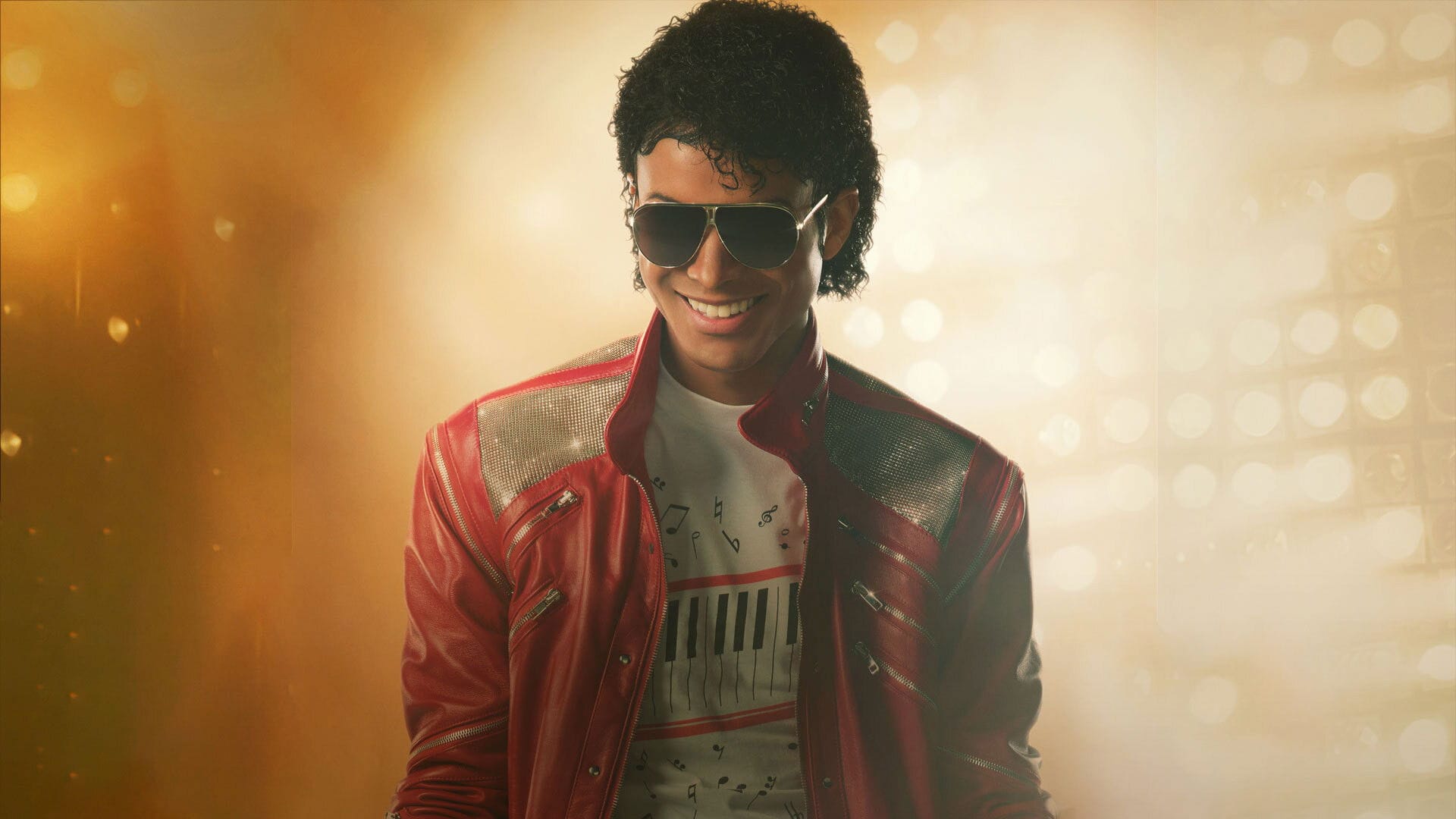
Jaafar Jackson's lead performance drew genuinely split verdicts. Where some saw a physically committed, emotionally resonant portrayal that transcends the inevitable uncanniness of watching a nephew play his uncle, others found a performance so absorbed in mimicry that interiority gets lost. The staging of the concert sequences — and there are many — is technically overwhelming. Whether overwhelming is the same as affecting is a question Michael declines to ask itself.
What Audiences Did
Audiences, in numbers that studio accountants will cite for years, disagreed. Or rather, they operated on different criteria entirely. The billion-dollar threshold — crossed in thirty-one days, the fastest for a music biopic in industry history — reflects something more structured than nostalgia, though nostalgia is certainly present. What Michael activates is a specific and underanalyzed desire: the desire to experience, in a communal, theatrical context, the music of an artist whose recorded catalog is already intimately known. The film functions less as biography than as sanctioned immersion. Audiences are not buying tickets to learn something about Michael Jackson. They are buying tickets to feel something about him, at volume, in the dark, with other people.
This is not a new phenomenon — Bohemian Rhapsody (2018) and Elvis (2022) established the template clearly — but Michael has taken it further than either predecessor. The streaming numbers compound the theatrical performance in a way that suggests repeat engagement: people are not just seeing the film once and filing it away. They are returning to it. That behavior belongs less to cinema than to concert attendance.
The Gap That Keeps Widening
What Michael crystallizes is a fracture in the cultural function of criticism that has been developing for at least a decade. Critical consensus, built on frameworks of authorship, moral accountability, and formal rigor, is increasingly legible only within its own community. Audience appetite, particularly for the musical biopic, is built on frameworks of emotional access, cultural belonging, and the reclamation of shared memory. These are not the same frameworks, and pretending otherwise — in either direction — produces bad analysis.
The instinct on the critical side is to read the box office as evidence of audience manipulation or cultural amnesia regarding Jackson's legal history. That reading is too convenient. The instinct on the audience side is to read negative reviews as elitism or agenda. That reading is equally lazy. The truth is structural: the musical biopic has evolved into a genre that serves functions criticism was not designed to evaluate, and criticism has not yet developed adequate tools for the gap.
What Fuqua Built and What It Costs
Fuqua is a more disciplined filmmaker than his detractors in this cycle are crediting. The choice to shoot the Neverland sequences with a suffocating, almost fairy-tale visual grammar — all warm amber and enforced wonder — is not accidental. It renders the estate's mythology and its danger simultaneously, which is precisely what makes it uncomfortable and precisely what critics have underread. The film is not naive about what Neverland meant. It is, however, unwilling to prosecute it. That unwillingness is a commercial and legal calculation, yes. But it also reflects a genuine artistic ambivalence about whether cinema's job, in a case this contested, is verdict or portraiture.
That ambivalence is the most honest thing about Michael. It does not resolve Jackson. It preserves him in the amber of his own iconography and dares audiences to sit with the discomfort. Enough audiences have chosen comfort over discomfort to make it a billion-dollar film. The critics are not wrong to say that matters. But dismissing what the film achieves on its own terms — and what its audience is seeking from it — is its own form of evasion.
The reckoning the industry needs is not about whether Michael is a good film. It is about what it means that the question has become almost irrelevant.
 Official trailer