Ghost in the Shell (2026) did not arrive with a red carpet. No theatrical event, no Oshii retrospective panel, no anniversary marketing apparatus engineered to remind you why the franchise matters. Science SARU simply dropped it into the Summer 2026 season and let the algorithm do what algorithms do. Slowly, without ceremony, it started climbing.
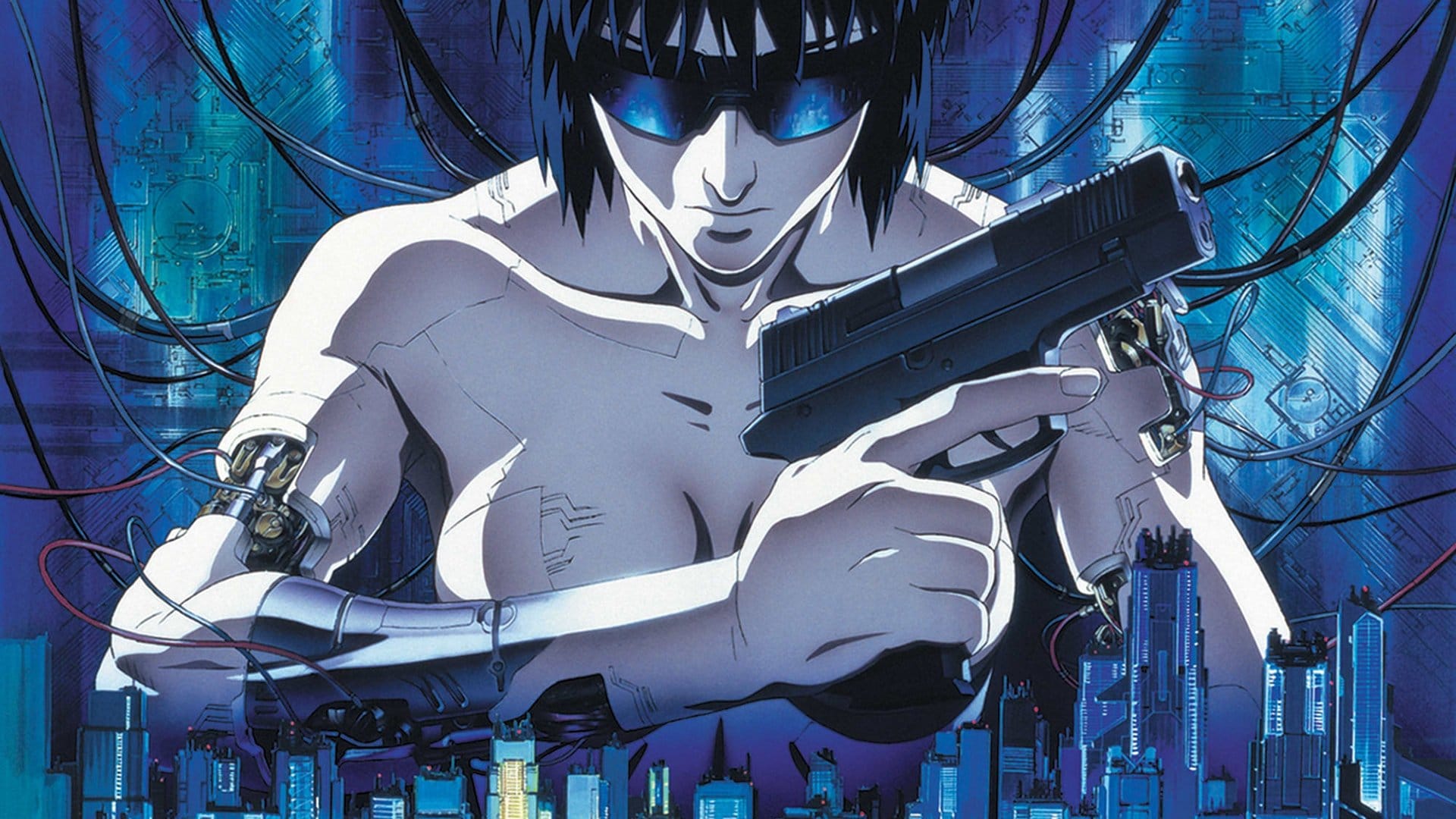
That quietness is itself a provocation. This is a property that rewired how the West understood anime as a serious artistic medium. Mamoru Oshii's Ghost in the Shell (1995) did not just influence — it colonized. Its fingerprints are on the Wachowskis, on Spielberg's AI anxieties, on every director who ever pointed a camera at a rain-slicked future city and called it philosophy. The franchise carries that weight in every frame. Which makes Science SARU's decision to approach it not with reverence, but with reinvention, either the bravest or most reckless call in recent anime production history.
What Science SARU Actually Changes
Science SARU — the studio founded by Masaaki Yuasa and now operating as a distinct creative organism — has never been interested in faithful reproduction. Their visual language is expressive where Production I.G's was precise, elastic where Oshii's was architectural. In Ghost in the Shell (2026), that philosophy surfaces immediately and does not apologize for itself. The Motoko of this series moves through New Port City with a fluidity that reads less as cyberpunk choreography and more as something closer to impressionism in motion. Backgrounds breathe. Action sequences prioritize emotional legibility over tactical clarity.
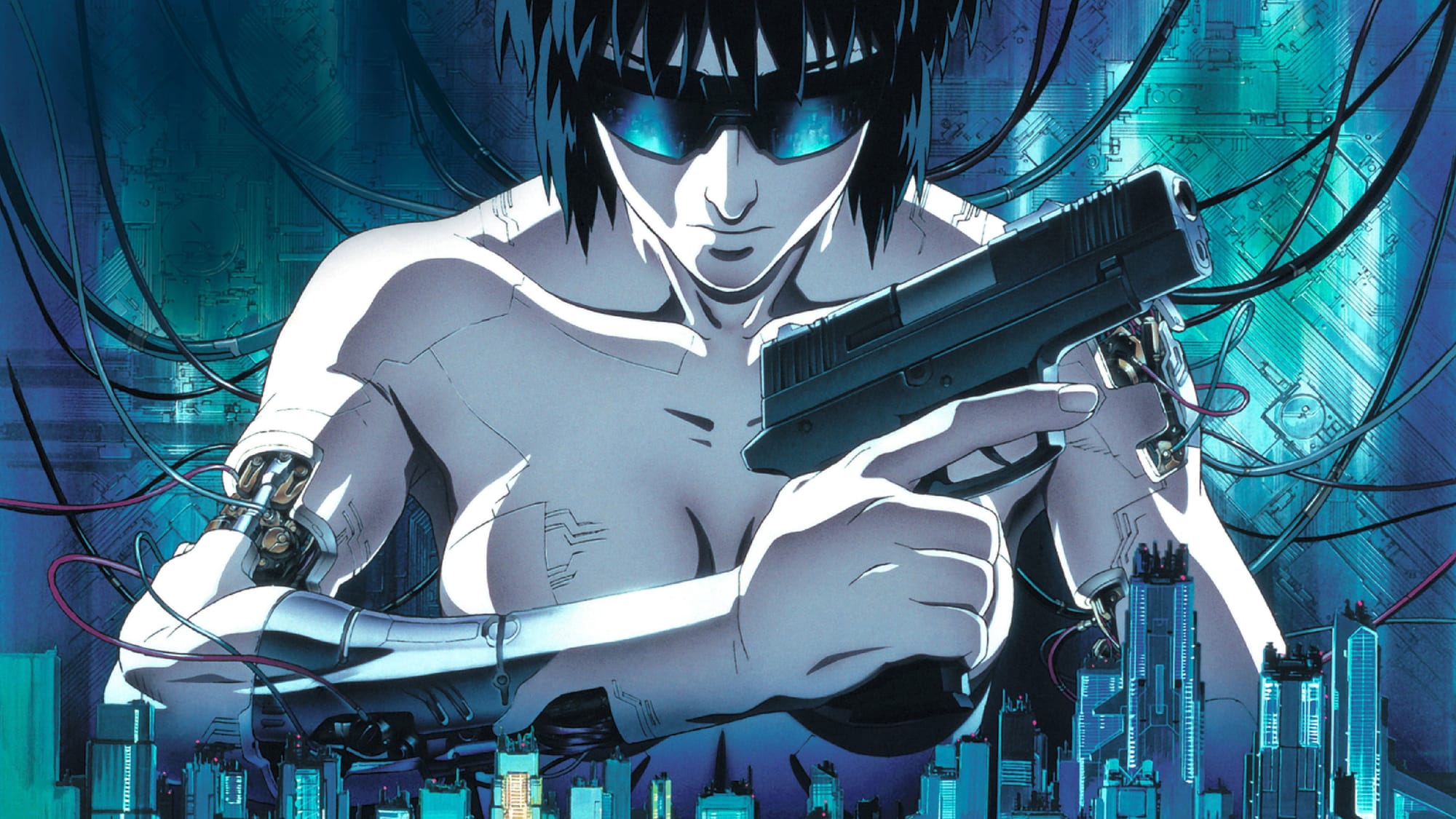
For a portion of the fanbase, this is heresy. The original's hyper-detailed cityscapes — rain on concrete, the weight of every camera pan — were not aesthetic choices made in isolation. They were arguments. Oshii's stillness insisted that consciousness was a burden worth sitting with. Science SARU's kinetic approach suggests something different: that identity, in 2026, is less a philosophical problem to be observed and more a condition to be survived in real time.
Neither position is wrong. But they are not the same position, and the discourse around the series has yet to fully reckon with that distinction.
The Mythology Problem
Mythologized IP carries a peculiar curse. The more canonical a work becomes, the more any new entry must negotiate not just with its own artistic intentions, but with the accumulated weight of every interpretation that preceded it. Ghost in the Shell (2026) is not competing with Oshii's film alone. It is competing with the Mamoru Oshii film, the Kenji Kamiyama series, the Shirow manga, the 2017 live-action adaptation that became a case study in Hollywood's failures with Japanese source material, and thirty years of critical essays written by people who believe they understand what the Major is really about.
That is an impossible negotiation. And yet Science SARU seems to have decided the only honest response to that impossibility is to stop negotiating entirely. The 2026 series is not a deconstruction, nor an homage, nor a reimagining in the safe, press-release sense of the word. It is a series made by a studio with a coherent visual philosophy, applied to a text that demands philosophical coherence. Whether those two things are compatible is precisely what the debate is about.
Why the Debate Matters More Than the Verdict
The conversation surrounding Ghost in the Shell (2026) is more instructive than any individual episode review. It exposes the fracture lines in how anime fandom processes adaptation — the tension between fidelity and evolution, between the rights of an original text and the legitimacy of a new artistic vision engaging it. These are not trivial questions. They are the same questions the medium has been circling since remakes became the dominant industrial logic of global entertainment.
Science SARU did not make this series to resolve them. But by applying its most distinctive instincts to the most philosophically loaded franchise in anime history, the studio has forced a reckoning that is long overdue. The Major asks, across every iteration of this story, what it means to be continuous with a self you can no longer verify. In 2026, Science SARU is asking the same question of the franchise itself.
That is either a profound act of faithfulness or a complete misreading of the assignment. The fact that both readings are defensible is precisely why this is the summer's most debated anime — and why the debate, whatever its verdict, is worth having.