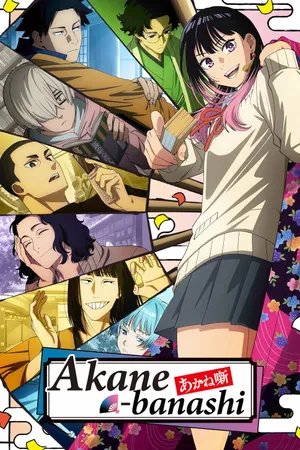
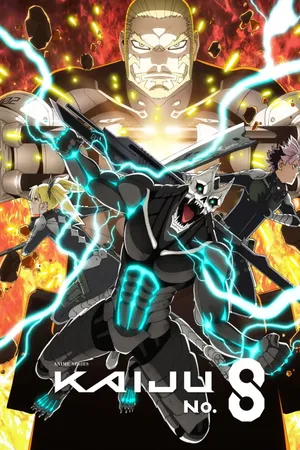
Look at the first two weeks of the Fall 2026 anime calendar and a pattern surfaces almost immediately. The Apothecary Diaries returns for a third season on October 2. Tokyo Revengers opens its War of the Three Titans arc the same day. Black Clover and Ranma ½ are back on October 3, Blue Box and Aoashi on October 4. Magic Knight Rayearth comes back from the 1990s on October 7, and Toei's Dragon Ball Super: Beerus claims Sunday, October 11. Even the shows that are not technically returning — Bleach: Thousand-Year Blood War running toward its finish, One Piece closing its 2026 run in Elbaph — are franchises measured in decades.
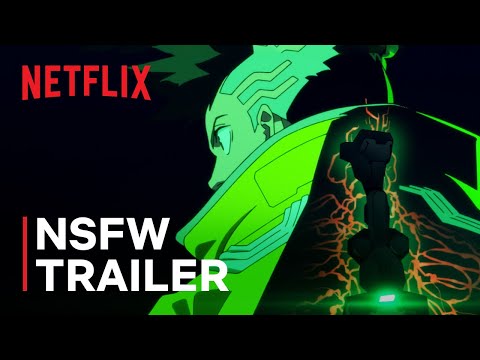 Official trailer
This is a season built on memory. And the most interesting show in it is the one sequel that has decided, deliberately, not to remember anything at all.
A Season Engineered for Recognition
None of this is an accident, and none of it is new. Sequels are the safest asset a production committee can finance: the audience is pre-built, the merchandise lines already exist, and the streaming platforms that now fund a large share of the industry can model the return on a known title far more confidently than on an original. Crunchyroll alone has confirmed more than forty titles for the season, and the backbone of that slate is returning seasons — A Returner's Magic Should Be Special, The Detective Is Already Dead, Sasaki and Peeps, Ace of the Diamond — with the new isekai and light-novel adaptations filling in around them.
The logic holds even at the prestige end. The Apothecary Diaries' third season is a patience test for a show whose audience grew precisely because OLM never rushed it. Rayearth's return is a negotiation with thirty years of nostalgia. And Bleach's deliberate pause in September was a reminder that a beloved finale is now treated as something to be protected, not merely delivered.
These are not cynical shows. Several of them will be the best things on television this autumn. But the season, taken as a whole, is organized around the comfort of the known.
The Sequel That Throws Away Its Inheritance
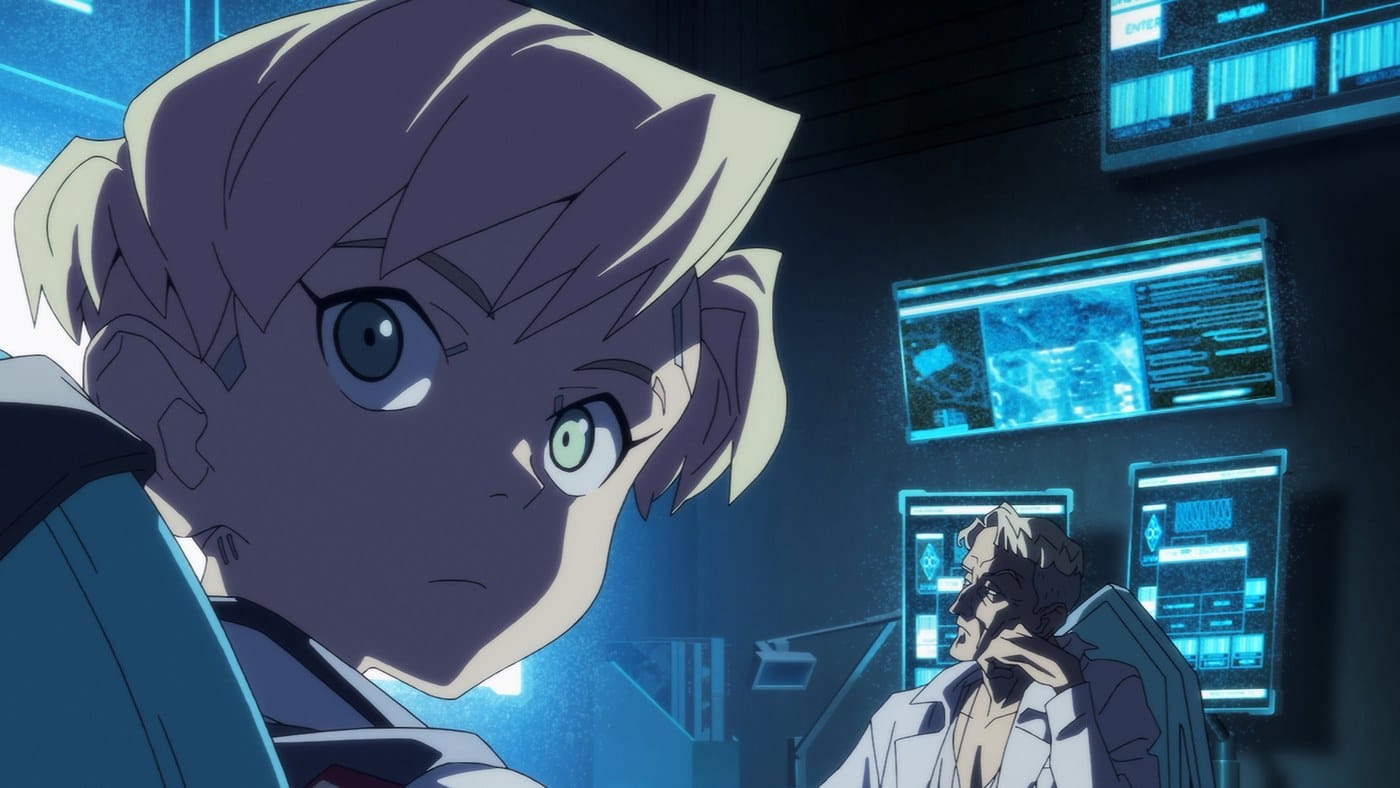
On October 20, Netflix releases all ten episodes of Cyberpunk: Edgerunners 2 at once — four years after the first season turned a troubled video game into one of the most talked-about anime of 2022. By every commercial instinct the season above has on display, the follow-up should have been obvious: bring back the crew that survived, lean into the grief the first ending left behind, sell the reunion.
Studio Trigger and CD Projekt Red have done the opposite. Edgerunners 2 is a standalone story with an entirely new cast. Its protagonist is Roman, a kid who documents Night City's brutality through a camera lens and witnesses something he should not have seen. Director Kai Ikarashi takes over, with Bartosz Sztybor as writer and showrunner and Masahiko Otsuka returning on scripts. The team has cited 1990s crime cinema — Pulp Fiction, Léon: The Professional — as touchstones, and coverage out of Anime Expo framed the shift bluntly: where the first season played like a Michael Bay film, this one is reaching for Scorsese.
CD Projekt Red has described its thinking in a way that explains the whole gamble. Each Edgerunners is meant to work like a separate campaign of the tabletop game the universe grew out of — same city, same rules, different table, different players. That is not how sequels are supposed to work in this industry. It is how anthologies work.
Why the Gamble Matters
The first Edgerunners succeeded because it was finite. It had a beginning, a crash and an ending, and its emotional force came from the fact that David Martinez's story was allowed to end. A direct continuation would have had to spend that ending — reopen it, explain it, monetize the grief. Choosing a new protagonist protects the original and forces the new season to justify itself on its own terms.
It also changes what a franchise anime can be. If Edgerunners 2 lands, it proves that a brand can carry audiences across entirely new stories in the way Western prestige anthologies do — that viewers will follow a city and a tone rather than a familiar face. Even the music signals that intent: The Cure's "10:15 Saturday Night" opens the season, a choice we examined in July as a thesis about anime's global identity, while Petite Meller closes it with "Watson."
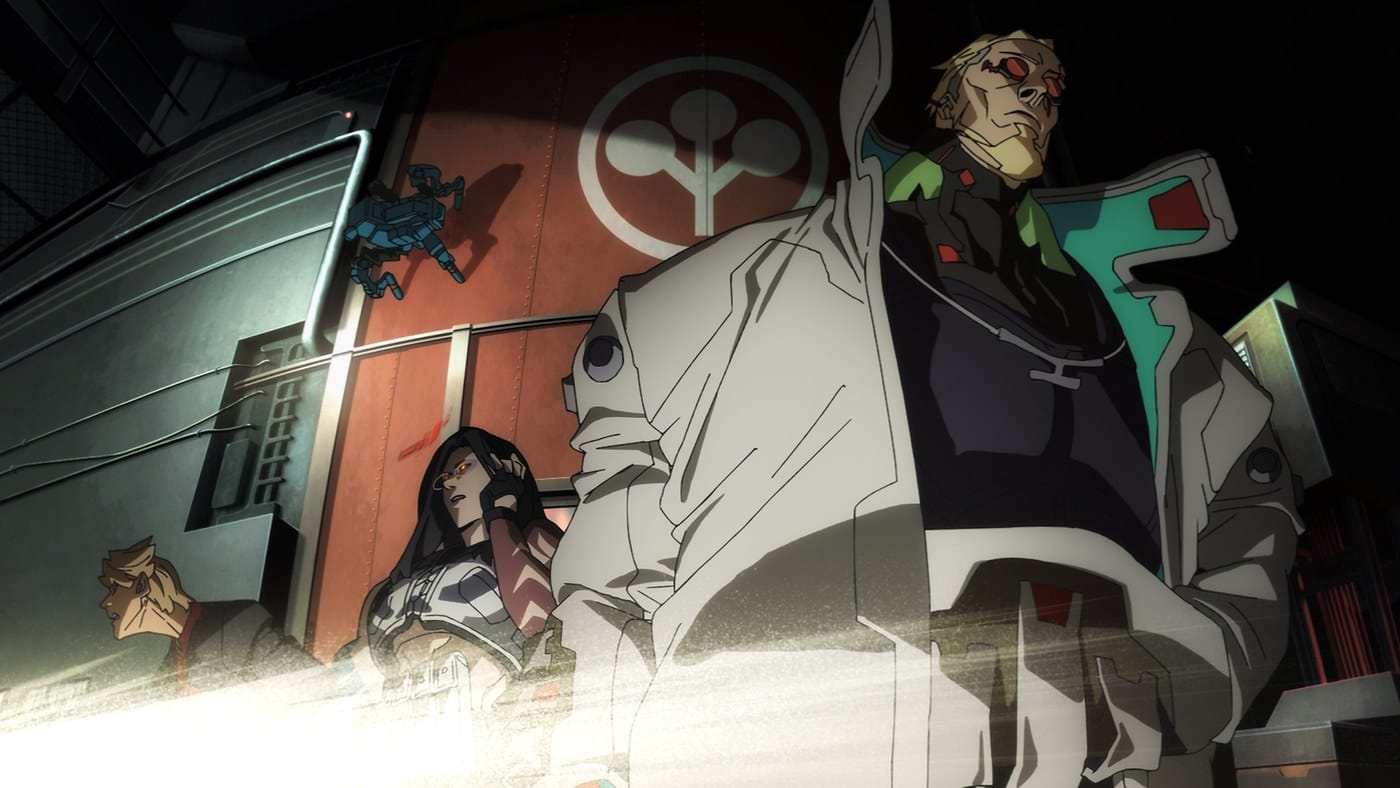
The risk is equally real. Netflix's full-season drop gives the show one weekend to define itself before the conversation moves on, and a binge release in the middle of a weekly season means it will be judged all at once, against shows that have had three weeks to build momentum. A sequel without its familiar faces has no cushion if the first two episodes do not land.
What to Watch, and Why
For viewers trying to navigate the next three weeks, the season divides cleanly. The returning heavyweights — Apothecary Diaries, Blue Box, Aoashi, Black Clover — reward continuity, and most of them are better for it. Rayearth and Dragon Ball Super: Beerus are memory projects, interesting as much for how they renegotiate their past as for what they add. And then there is Edgerunners 2, the one show this autumn asking its audience to love something it has never seen before, under a name it already trusts.
In a season built on recognition, that may be the most radical idea on the calendar.