Makoto Shinkai doesn't make films for streaming platforms. He makes films for darkened theaters, for the precise moment a crowd holds its breath together, for the kind of collective emotional rupture that only a shared physical space can produce. That's what made Your Name (2016) a phenomenon rather than a hit — not its box office numbers, not its algorithmic discoverability, but the fact that it moved through the world like a cultural pathogen, person to person, city to city. Crunchyroll acquiring global distribution rights to his next feature film is, on its surface, a licensing agreement. Beneath the surface, it is a structural argument about who controls the relationship between Japanese auteur animation and the global audience that relationship helped build.
The Pipeline Is the Power
Distribution rights are not a passive mechanism. They determine sequencing — who sees something, when, and through what frame. When Crunchyroll locks in a Shinkai film, it isn't simply adding a prestige title to a catalog. It is positioning itself as the mandatory toll road between one of animation's most significant creative voices and the hundreds of millions of viewers who came to care about that voice partly because of infrastructure Crunchyroll itself helped construct. That circularity is not accidental. It is the logic of platform consolidation applied to art cinema.
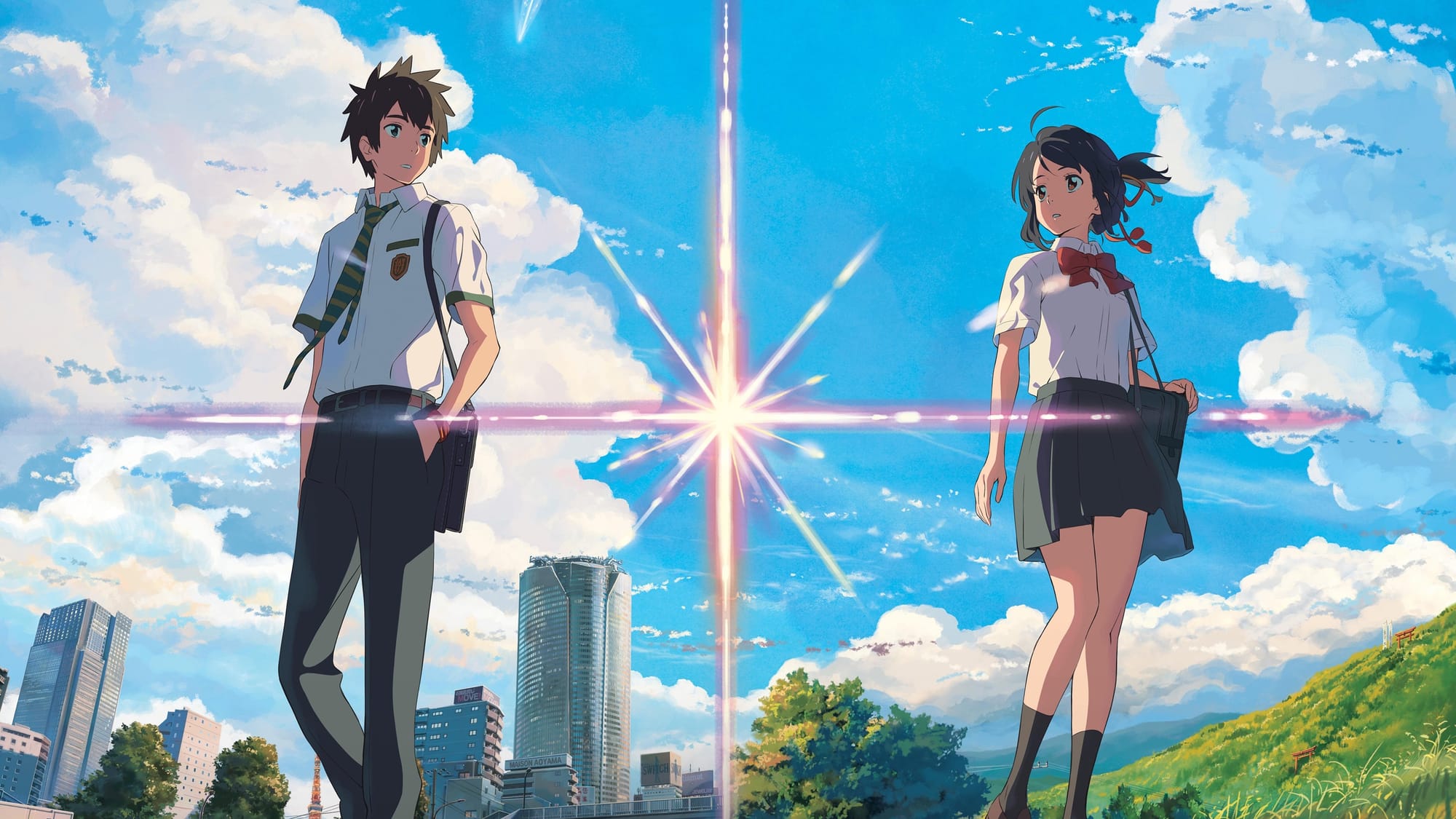
The precedent matters here. Your Name (2016) crossed $358 million at the global box office without the backing of a major Western studio. Weathering with You (2019) sustained the momentum. Suzume (2022) confirmed that the audience wasn't a fluke — it was a constituency. Shinkai, over the course of roughly a decade, built a viewership that rivals Hollywood tentpoles in emotional investment if not raw revenue. That constituency is now, effectively, Crunchyroll's to address first.
What Auteur Cinema Loses in Translation
The tension here isn't about Crunchyroll's competence. Sony's acquisition of the platform in 2021 and its subsequent merger with Funimation created a distribution engine with genuine global reach — arguably more capable of landing a Shinkai film in Seoul, São Paulo, and Stockholm simultaneously than any theatrical distributor operating without that infrastructure. The tension is about what changes when a filmmaker who has consistently used the theatrical event as part of the artistic statement becomes, functionally, a streaming premiere.
Shinkai's films are engineered for scale. The visual grammar of Your Name — its use of light as emotional notation, its landscapes that feel compositionally aware of their own grandeur — is calibrated for a screen large enough to make that grammar legible. Compression artifacts and living room ambient light are not neutral variables. They alter the experience in ways that matter aesthetically, not just commercially. The question Crunchyroll's acquisition forces into the open is whether theatrical windows will be preserved meaningfully, or whether "global distribution" quietly means "global streaming" with a brief, perfunctory run in select markets to qualify for awards consideration.
The Audience That Built This
There is a generational dimension to this shift that deserves attention. The viewers who made Your Name (2016) a cultural event were not, primarily, existing anime fans. They were people who encountered Shinkai's work as a kind of gateway — not into anime as a genre category, but into the possibility that animation could function as serious emotional cinema. That audience was cultivated in theaters, through word of mouth, through the specific credibility that theatrical release confers on a work. It signaled that this was something worth leaving the house for.
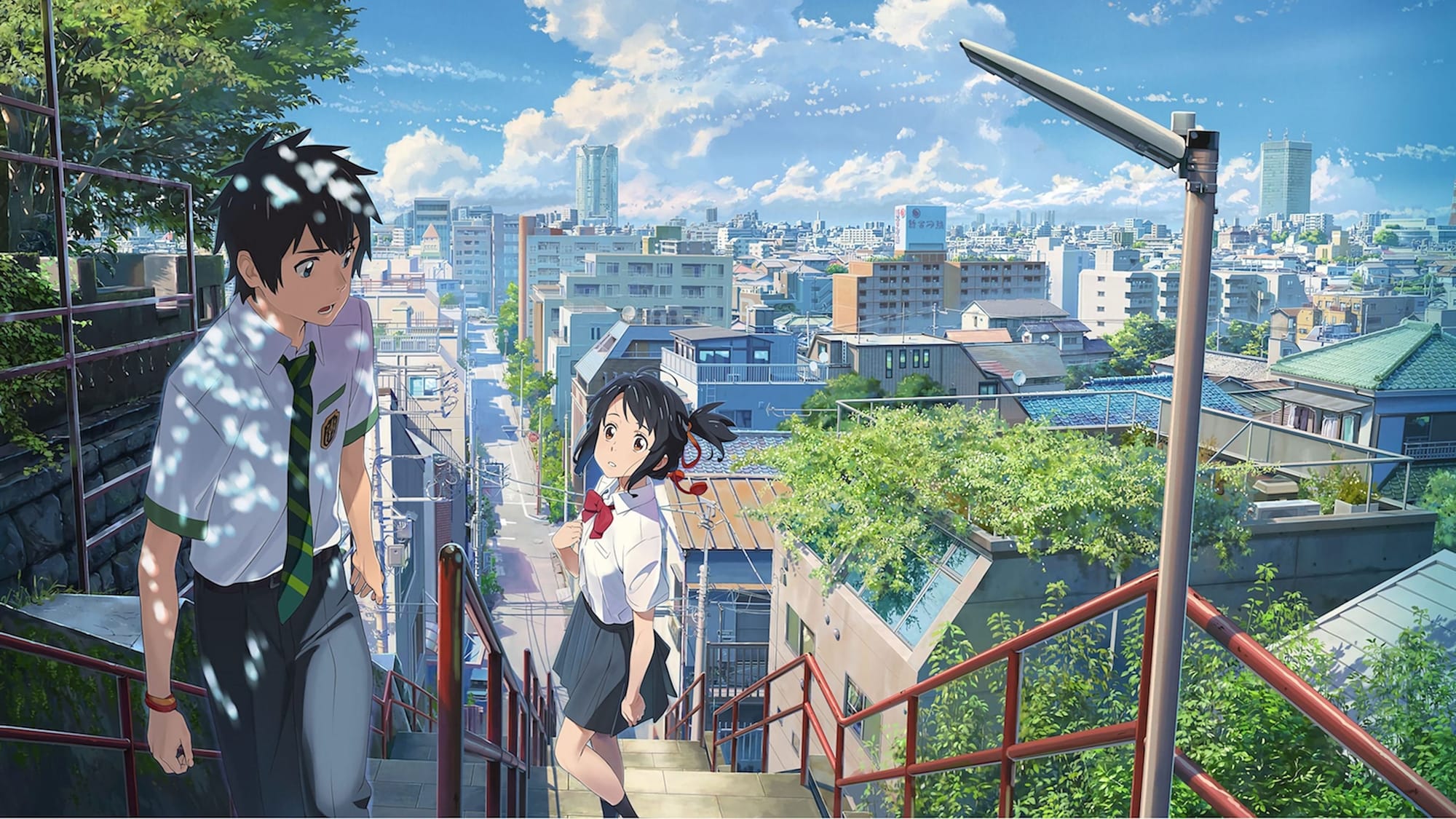
If Crunchyroll's acquisition shifts future Shinkai releases primarily onto a subscription platform, it changes the cultural signal. A Crunchyroll premiere — however well-executed — carries the implicit framing of content rather than event. That framing shapes reception before a single frame is seen. The audience that discovered Shinkai in a theater may not be the same audience that discovers his next film on a Tuesday night scroll through a streaming interface.
Control as Creative Context
None of this means the acquisition is a catastrophe. Crunchyroll has demonstrated genuine investment in elevating anime's profile in Western markets, and Shinkai's involvement in production decisions is unlikely to diminish — he is too bankable, and therefore too protected, for his creative autonomy to be seriously threatened. But autonomy over production and autonomy over reception are different things. A filmmaker controls what is made. A distributor controls the conditions under which it is encountered.
Crunchyroll acquiring those conditions for Shinkai's next film is not a neutral administrative act. It is a claim — on an audience, on a cultural moment, on the terms by which Japanese auteur animation enters the global conversation. The film hasn't been seen. The deal, however, already tells us something.