Crunchyroll has secured global distribution rights to Makoto Shinkai's next feature film. No title. No trailer. No public footage. Just a name, a track record, and a deal closed before any audience has seen a single frame. That sequence of events is not a curiosity — it is a pressure map of the streaming economy as it moves through anime's most commercially potent creative tier.
The Auteur as Pre-Sold Asset
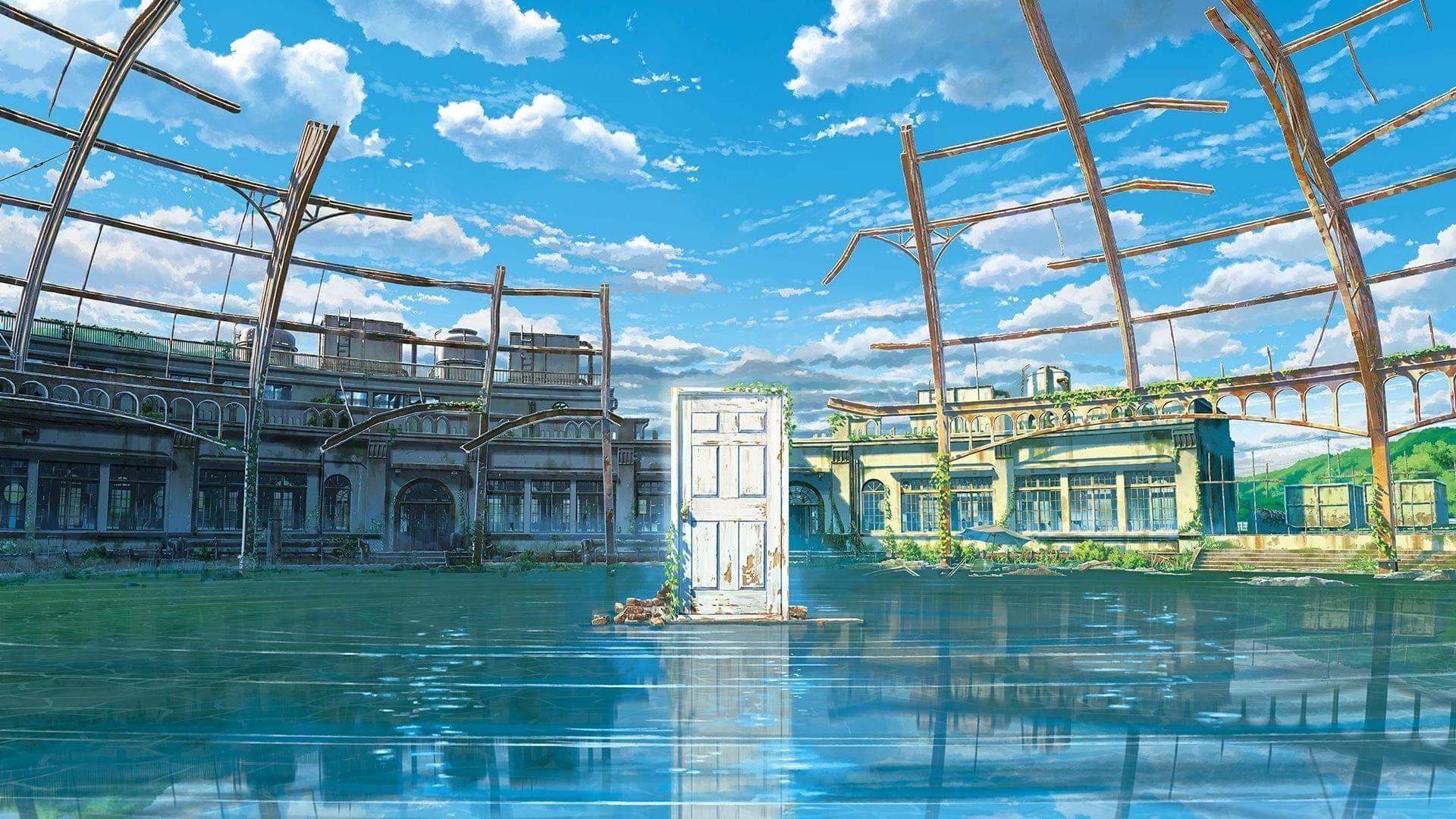
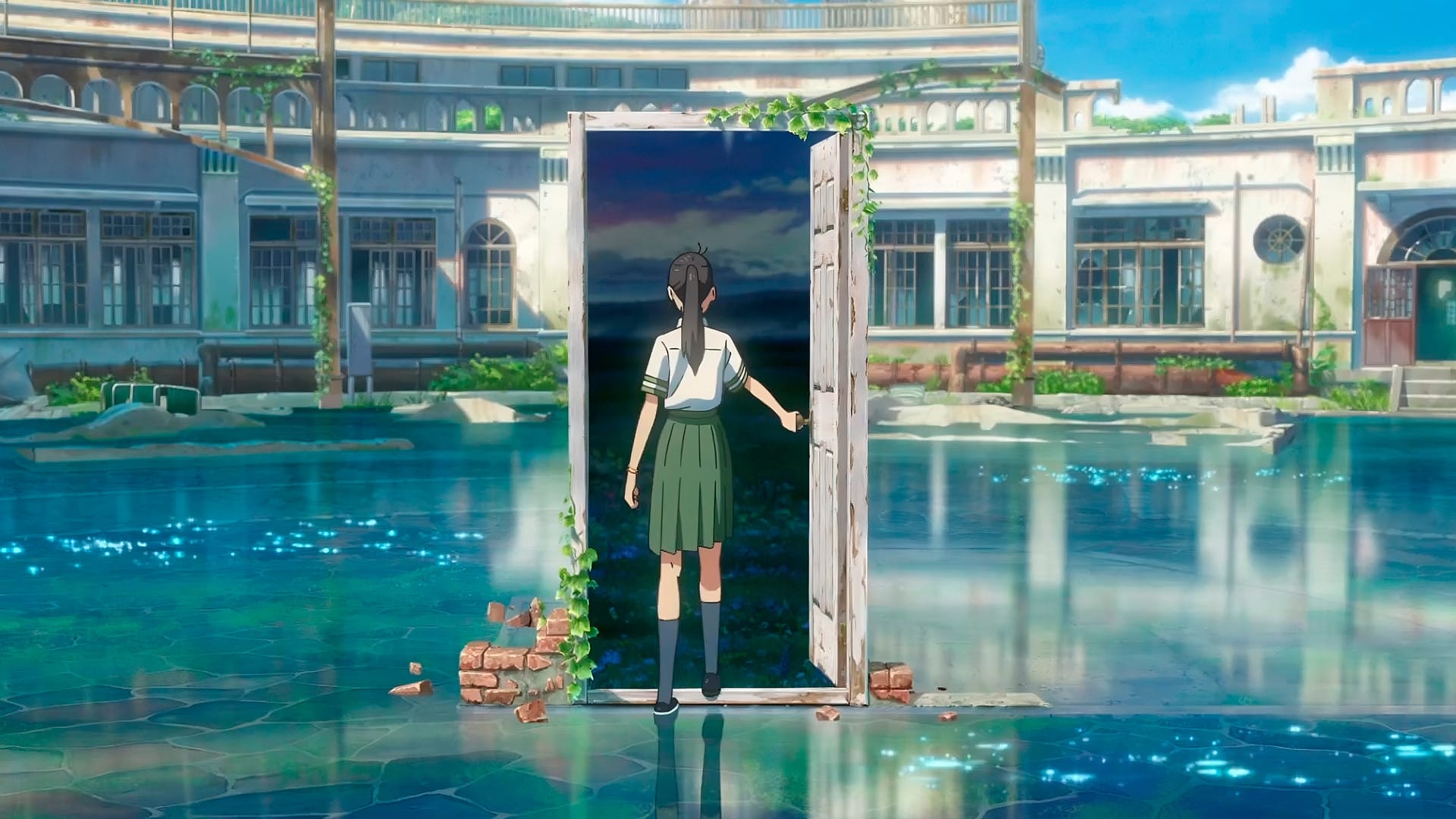
Shinkai occupies a peculiar position in contemporary animation. He is not a studio — he is a signature. Your Name. (2016) grossed over $380 million worldwide and recalibrated what international markets would tolerate, financially and emotionally, from a Japanese animated feature not produced by Studio Ghibli. Weathering With You (2019) and Suzume (2022) confirmed the pattern: each successive release arrived with pre-built audience infrastructure, critical anticipation, and demonstrable box office potential across East Asia, Europe, and North America.
That infrastructure is precisely what Crunchyroll is purchasing. The deal is less about any specific film — which by definition cannot yet be evaluated on its merits — and more about controlling access to a demand curve that has proven itself three times over. In traditional distribution logic, you acquire a product. In platform logic, you acquire a guaranteed activation event.
Geography Is the Real Prize
The word "global" in Crunchyroll's announcement deserves more scrutiny than it typically receives. Historically, Shinkai's international releases have been fragmented across regional distributors: different theatrical partners in France, the UK, Southeast Asia, and Latin America, with streaming rights often carved up further along platform and territory lines. That patchwork model generates revenue but disperses cultural momentum. A film that opens in Tokyo in July may not reach a Brazilian streaming subscriber until the following spring, by which point the discourse has moved on.
Centralizing those rights under a single platform does not just simplify logistics. It synchronizes the cultural moment. Crunchyroll can, in principle, put Shinkai's next film in front of its 15-million-plus subscribers across 200+ territories on the same day, in the same context, within the same product environment. The film becomes a platform event rather than a series of regional theatrical runs that eventually converge on a streaming window. That compression of geography into simultaneity is one of the most consequential — and least discussed — effects of streaming's expansion into theatrical anime.
What This Costs the Art
The trade-off is real and worth naming directly. Shinkai's films have derived part of their cultural weight from theatrical experience: the scale, the communal silence, the way Your Name. (2016) moved through multiplex audiences who had not been prepared by algorithm to receive it. A platform acquisition of this structure does not necessarily eliminate the theatrical window — Crunchyroll has operated hybrid models before — but it subordinates that window to platform strategy. The theatrical run becomes a marketing instrument for the streaming debut rather than an end in itself.
There is also the question of creative leverage. Acquiring rights before production is complete, or in some cases before creative decisions are finalized, introduces a counterparty with distribution interests into the gravitational field of authorship. That influence need not be overt to be real. The knowledge that a global streaming platform holds the rights shapes, however subtly, the assumptions about audience and accessibility under which a film is finished.
The Precedent Underneath the Deal
Crunchyroll's move follows a recognizable pattern from adjacent industries. Netflix acquired rights to future works from established IP before specific projects were announced. Apple locked prestige directors into first-look deals structured around names rather than scripts. What is notable is that this logic has now fully entered the anime auteur space — a sector that, even five years ago, still operated largely on completed-product licensing.
The implication is structural: streaming platforms are no longer waiting for anime to prove itself project by project. They are investing in directors the way studios once invested in stars — as recurring assets whose next output is valuable independent of what that output turns out to be. For Shinkai, whose consistency has earned that faith, the arrangement reflects genuine market power. For the next director trying to build a comparable position without a Your Name. (2016) on their résumé, it narrows the field considerably.
Crunchyroll hasn't just bought a film. It has bought a model — and that model will be applied far beyond one director's next project.