Toronto, September 2026. The festival opens today. And for the first time in its fifty-one-year history, the Toronto International Film Festival does not open alone — it opens with a market.
The TIFF Film Market, launching in parallel with this year's public program, is not a footnote or an experimental sidebar. It is a deliberate institutional repositioning. TIFF has long held the paradoxical status of being the world's largest public film festival while simultaneously functioning as the de facto launchpad for the North American awards season. Studios, distributors, and prestige streamers have used Toronto as a testing ground for audience response — the kind of real-world data that can accelerate or kill an Oscar campaign — without the festival ever formalizing that commercial dimension. That changes today.
The logic is straightforward: if the industry is already here, give it infrastructure. Cannes has its Marché du Film. Berlin has the European Film Market. Sundance, despite its independent-cinema identity, runs a robust industry office. Toronto's resistance to formalizing a market was, for years, a point of philosophical pride — a signal that the audience came first. The launch of the TIFF Film Market is an acknowledgment that the two functions are not mutually exclusive, and that pretending otherwise was leaving real structural leverage on the table.
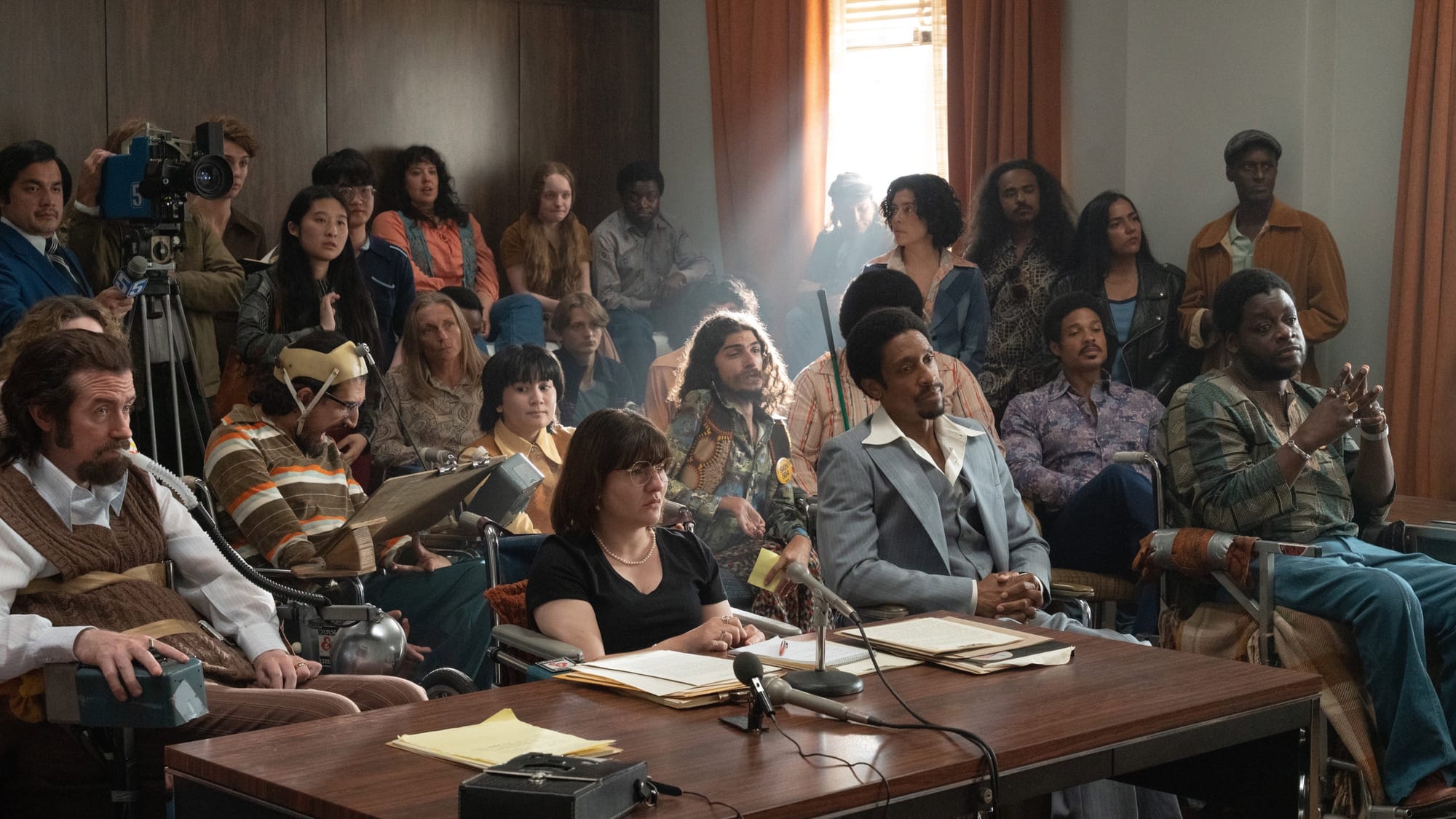
The Opening Night Film Sets a Tone
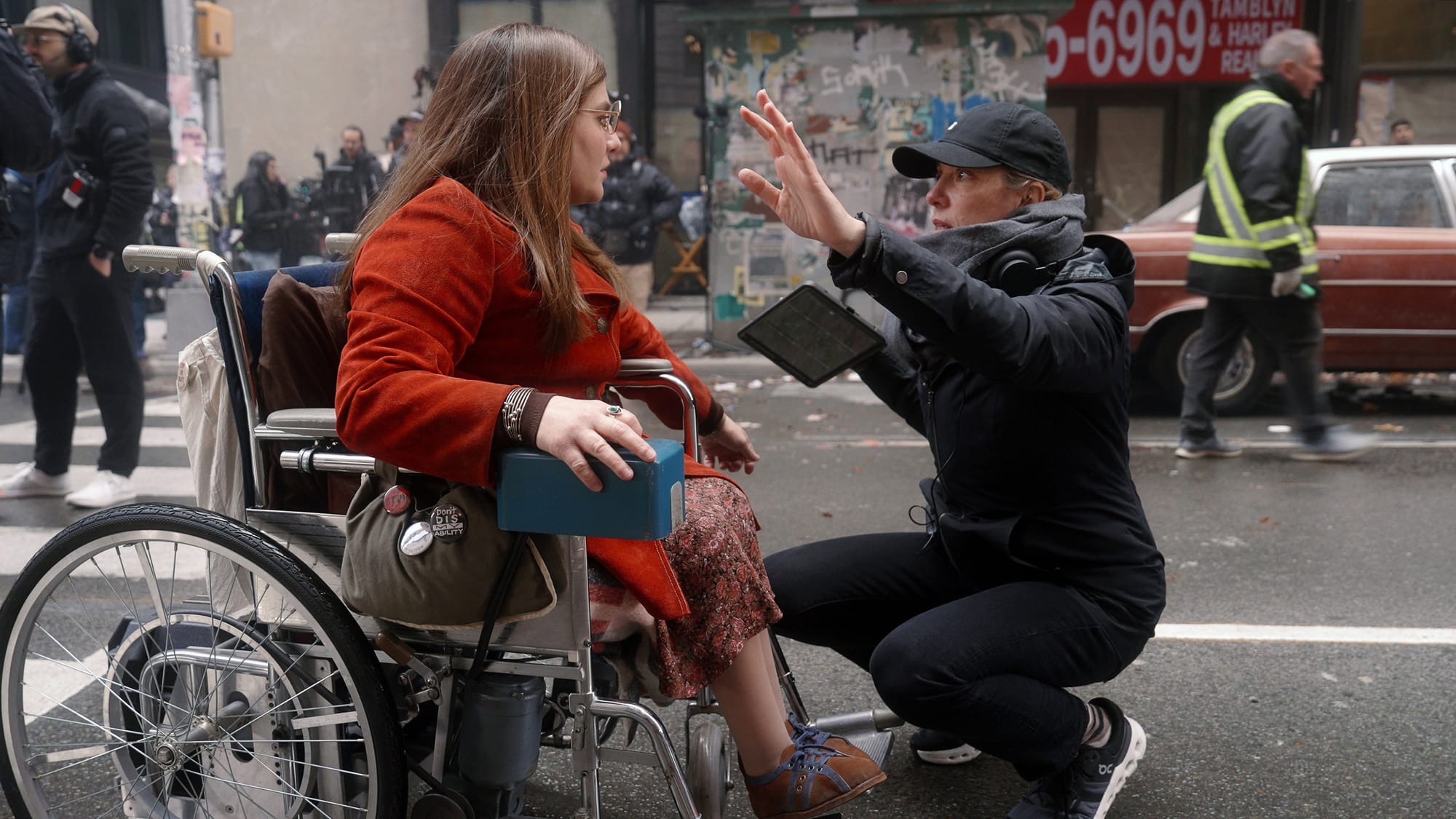
Being Heumann (2026), directed by Siân Heder, opens the festival tonight. Heder arrives at TIFF with considerable institutional goodwill: her previous feature, CODA (2021), won the Academy Award for Best Picture and was itself a TIFF premiere, making her return to King Street something close to a homecoming. Being Heumann — based on the memoir by disability rights activist Judy Heumann — carries the thematic weight the festival has historically favored for its opening slot: a true story, a singular protagonist, a political undercurrent legible enough to travel across markets.
The choice is not incidental. Opening night at TIFF is a curatorial statement about what kind of cinema the festival believes deserves the most oxygen. Heder's film signals continuity with the festival's appetite for emotionally precise, socially anchored narratives — exactly the kind of cinema that has historically converted Toronto buzz into awards-season momentum.
293 Films, One Direction
The broader lineup this year numbers 293 films across all sections. That figure alone — the scope of it, the geographic spread, the sheer volume of world premieres embedded within it — is what makes TIFF structurally different from every other festival in the calendar. Cannes curates scarcity. Venice curates prestige. Toronto curates possibility, and in doing so creates a different kind of market pressure: the discovery play, the breakout acquisition, the film that nobody expected to matter in February and ends up mattering enormously by March.
With a formal market now in place, that dynamic acquires new mechanics. Buyers who previously operated through back-channel meetings and hotel lobbies will have dedicated infrastructure. Sales agents will have official screening slots calibrated for deal-making rather than press access. The friction that cost smaller films real acquisition opportunities — because the right buyer was simply in the wrong room at the wrong time — has a structural solution, at least in theory.
What the Market Actually Means
The cynical read is that TIFF has finally admitted what everyone already knew: it is a commercial event dressed in the language of public culture. The more useful read is that the festival is choosing legibility over mythology. The film industry does not become less present at Toronto because the festival declines to acknowledge it. It just becomes less organized, less equitable in its access, and less useful to the mid-sized films that need market infrastructure the most.
The major studios will be fine regardless. They always are. The TIFF Film Market, if it works as intended, is most consequential for the films that sit below the awards-season conversation — the international co-productions, the first-time directors, the genre films that deserve a buyer in the room and rarely get one.
TIFF 2026 opens today. The red carpet, the screenings, the critical discourse — all of it proceeds as it always has. But underneath the public festival, for the first time, there is now a floor. That is not a small thing.