The headline writes itself: Hollywood's best summer since 2019. Five films crossed a billion dollars at the global box office. The domestic total cleared $4 billion between May and August, and every trades outlet ran some variation of the word "renaissance." What those pieces largely avoided was the denominator. Fewer people bought tickets this summer than in any comparable pre-COVID period. Fewer films were released. Fewer screens competed for that audience. What the industry produced was not a recovery — it was a high-revenue contraction, and the distinction matters enormously for what comes next.
The Arithmetic of Fewer
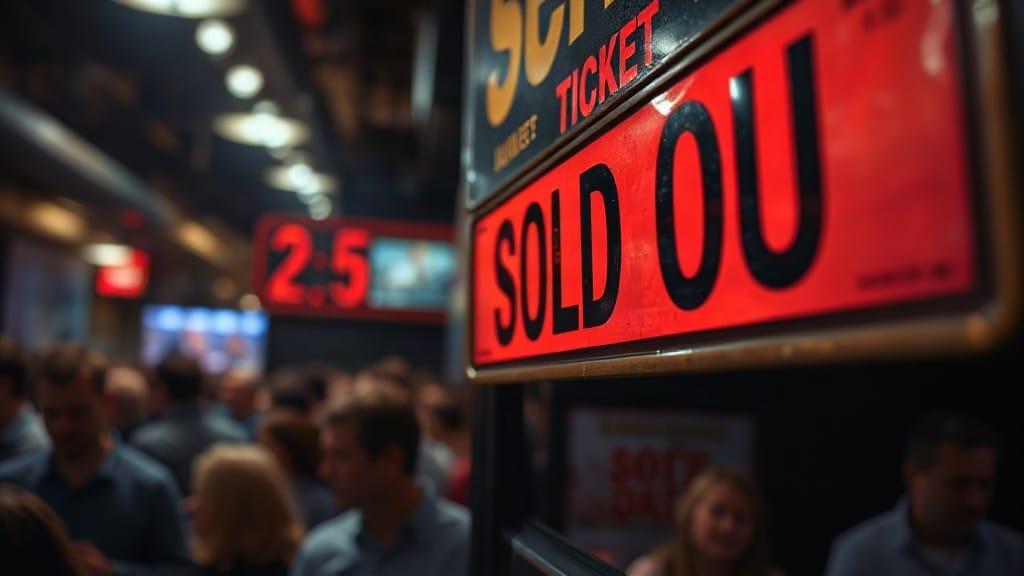
Ticket prices have risen roughly 30 percent since 2019, driven by premium format surcharges — IMAX, Dolby Cinema, 4DX — that now constitute a structurally significant share of total revenue. When five films each gross a billion dollars globally while overall admissions trail 2019 numbers by an estimated 15 to 20 percent, the industry is not expanding its audience. It is extracting more value from a smaller, self-selecting one. That is a defensible business strategy in the short term. It is not a sign of cultural or commercial health.
The theatrical release slate itself has narrowed considerably. Where summers in the mid-2010s routinely saw 25 to 30 wide releases competing across Memorial Day through Labor Day, 2026 saw closer to 18. Studios have absorbed the lesson of the pandemic era and internalized a version of it as policy: release less, spend more on what you release, cede the middle ground entirely. The mid-budget genre film — the thriller, the original horror property, the prestige action picture with a real screenplay — has not merely struggled. It has been structurally deprioritized in favor of franchises that can anchor promotional ecosystems across streaming, merchandise, and live events.
Concentration as a Symptom
Five films accounting for the majority of a summer's revenue is not diversity — it is concentration. And concentration at the theatrical level reflects a deeper collapse in the industry's appetite for risk. When a $200 million tentpole carries built-in IP recognition, a streaming home that backstops its cultural shelf life, and a promotional budget that functions as its own media event, it crowds out everything that cannot make those same guarantees. The films that don't get made — or don't get screens — don't show up in the box office totals that analysts celebrate. Their absence is invisible, and invisibility is not the same as irrelevance.
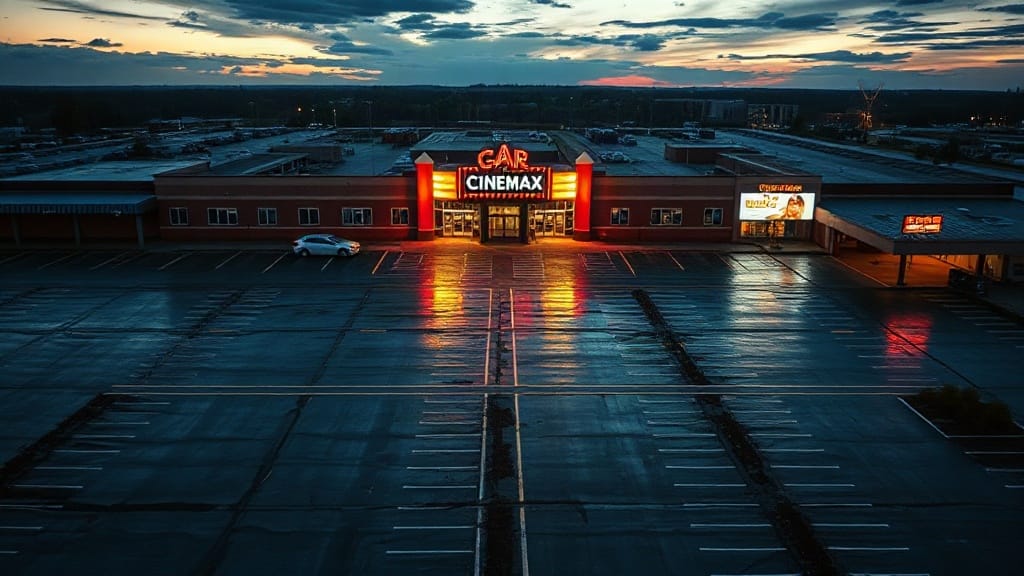
Exhibition is contending with its own version of this math. The number of operational screens in the United States remains below 2019 levels, and the chains that survived the pandemic did so through a combination of federal relief, debt restructuring, and the kind of operational austerity that deferred maintenance rather than resolved it. Premium large-format auditoriums have been retrofitted into multiplexes at the expense of standard screen counts. The result is a physical infrastructure increasingly optimized for the event film and increasingly inhospitable to anything else.
Who the Audience Actually Is
The moviegoer who showed up this summer was, on average, older, more affluent, and more deliberate than the casual audience that once made mid-week numbers meaningful. The spontaneous trip to the cinema — the Tuesday night action film chosen because it was there and the price was reasonable — has not returned at scale. What replaced it is a considered, occasion-based outing, priced accordingly and marketed accordingly. That audience will show up for something that feels unmissable. It will not show up for something merely good.
This is not a complaint about audience taste. It is a structural observation about what theatrical exhibition can and cannot sustain when its casual middle has migrated permanently to streaming. The industry has adapted to that migration by engineering scarcity and scale simultaneously — fewer films, bigger spectacles, higher prices. It works, until it doesn't. A single underperforming tentpole season, a franchise that exhausts its goodwill one film too late, a macroeconomic contraction that makes a $22 IMAX ticket feel optional — any of these can expose how narrow the load-bearing structure actually is.
What Recovery Would Actually Look Like
A genuine theatrical recovery would show growing admissions, not just growing revenue. It would show a diverse release slate where films at multiple budget levels find proportional audiences. It would show exhibition infrastructure expanding, not stabilizing. It would show new IP breaking through, not just established franchises monetizing loyalty. By none of those measures does the summer of 2026 qualify. What it shows is an industry that has become exceptionally good at harvesting a contraction — maximizing return on a diminished base with surgical efficiency.
That efficiency is real, and it deserves acknowledgment. But efficiency is not the same as vitality, and a $4 billion summer built on 18 films, premium-format pricing, and a self-selected audience is not the same thing as cinema being healthy. It is cinema being managed. The difference is worth saying plainly, even when the numbers make it uncomfortable to do so.