Pinterest's 2026 trend report gave it a name: "Glamoratti." Boxy, sculpted-shoulder suits. Dramatic funnel necks. Chunky gold cuffs stacked over French cuffs. The look is, by the trend forecasters' own description, power dressing pitched somewhere between a supermodel and a Reaganomics investment banker in the months before Black Monday — and it has spent 2026 moving from Chanel's pre-fall runway to ordinary closets with a speed that suggests it's answering something more specific than "the '80s are back again."
It has happened before, on a schedule. American pop culture revives roughly forty-year-old aesthetics with enough regularity that it's less a coincidence than a mechanism, and the specific decade currently getting revived is not a neutral choice. It's the yuppie decade — and it's coming back at the same moment Hollywood is trying, and visibly struggling, to remake the film that diagnosed exactly what was rotten underneath it.
Why This Decade, Again, Right Now
Dr. Elizabeth Way, curator of costume and accessories at The Museum at FIT, put the parallel plainly to Marie Claire earlier this year: the 1980s were defined by "a swing toward conservative politics" alongside "an economic boom — one that created new levels of wealth disparity, especially in American cities," which produced "ultra-glamorous styles, overt materialism, and a focus on corporate work culture." She's careful to note the current moment isn't an exact repeat. It doesn't need to be. Trend cycles don't revive decades because history is looping; they revive whichever decade's surface texture happens to rhyme with the present one's anxieties, and offers a costume for living inside them.
The original yuppie — Young Urban Professional, a term that entered print around 1980 and got crowned by Newsweek as 1984's defining archetype — was built on a specific promise: that ambition, tailoring, and a Filofax could out-argue the era's own gathering wealth disparity. That promise curdled fast. The 1987 Black Monday crash didn't kill the archetype so much as expose what critics like Bret Easton Ellis and Tom Wolfe had already started writing about — that the competence and confidence yuppie style projected were increasingly detached from anything underneath them. 2026's version of the same silhouette is arriving inside a strikingly similar gap between projected competence and underlying instability, which is presumably why the clothes look so familiar and the mood attached to them is more knowing than the original ever allowed itself to be.
The Stimulant Culture Underneath the Suits
The clothes are only half the revival. The other half is what people are consuming to keep up the performance: coffee sold by the bucket, energy-dense "Monster Latte"-style hybrids, Zyn pouches treated as a lifestyle accessory rather than a nicotine habit, and a protein obsession that's colonized snack aisles that used to sell candy. Marketing trend-watchers have taken to calling this cluster "energy overload," and it functions as the actual lived texture underneath the Glamoratti costume — a culture optimizing for sustained, performable output in a way that rhymes uncomfortably well with a decade whose defining workplace mythology was the banker who never needed to sleep. The look photographs well. The stimulant math behind sustaining it is the part 1980s Wall Street mythology conveniently left out of its own highlight reel, and 2026's version isn't leaving it out so much as turning it into its own separate content category.
The Remake That Can't Find Its Bateman
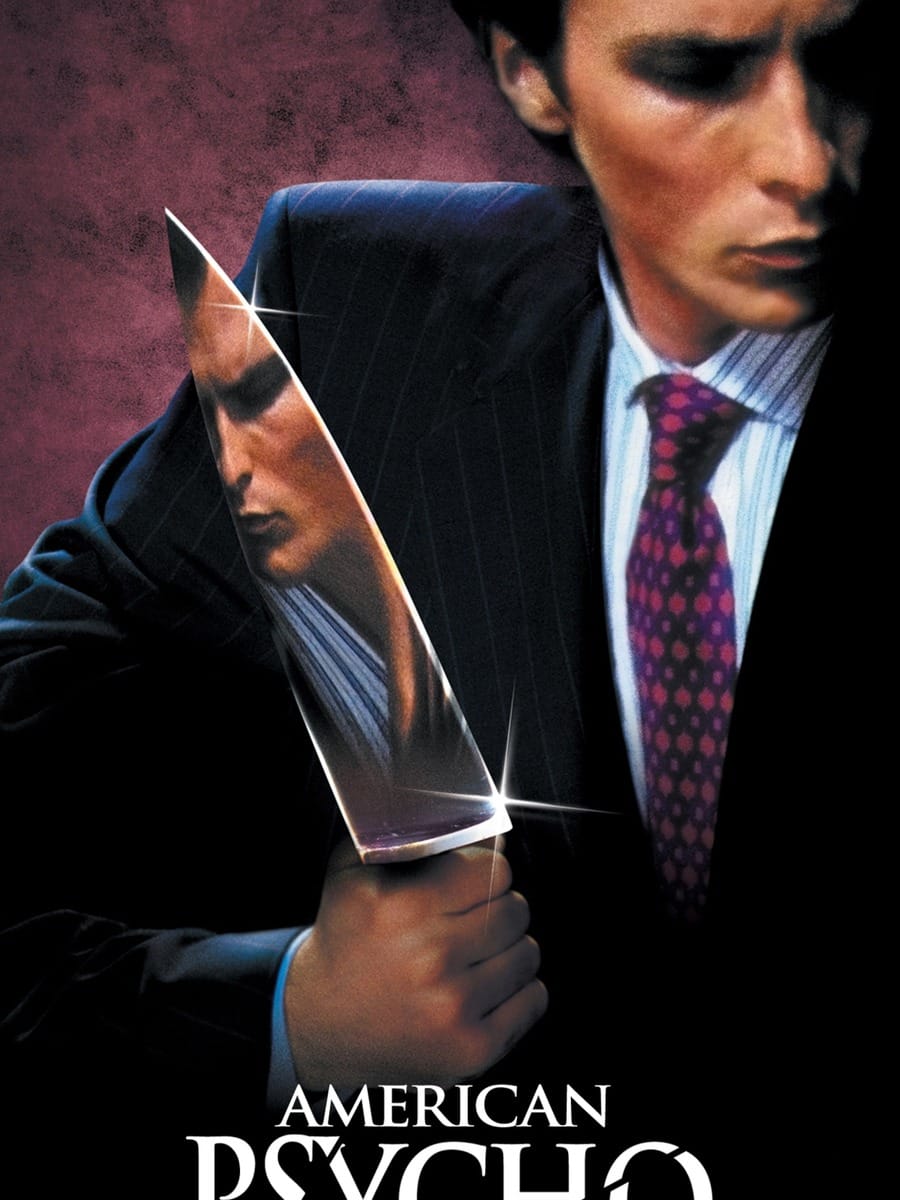
Which is what makes the stalled American Psycho remake such an oddly precise mirror of the moment. Lionsgate announced Luca Guadagnino's take in October 2024, with Scott Z. Burns adapting Bret Easton Ellis's novel. Two years later, the project is still short a lead: Bret Easton Ellis has said in public that "a couple of high-profile actors" turned the role down specifically because they didn't want to be measured against Christian Bale's 2000 performance, and names ranging from Austin Butler to Patrick Schwarzenegger have cycled through the rumor mill without a confirmed cast. Guadagnino, meanwhile, has shot a film every summer since 2021 — except this one, which keeps sliding.
Mary Harron's original wasn't a celebration of Patrick Bateman's tailoring; it was a scalpel aimed at the emptiness the tailoring was covering for, and that satire only worked because audiences in 2000 could still recognize the target as a recent, embarrassing memory. Twenty-six years later, the culture has started wearing the costume again with something closer to affection than horror, which leaves a remake in a strange position: it has to somehow satirize a look the audience just spent a fashion season falling back in love with. That's a harder trick than casting Christian Bale's replacement, and it may be the real reason nobody wants the part — playing Bateman sincerely now risks landing as aspirational cosplay of a silhouette Pinterest already told everyone to buy.
Wearing the Costume Without the Warning
None of this means the Glamoratti wave is secretly sinister, or that anyone reaching for a shoulder-padded blazer this fall is making a statement about wealth disparity. Most nostalgia cycles are simpler than that — a silhouette looks fresh again once enough decades separate it from the last time everyone was sick of it. But the specific decade doing the rhyming still matters, and it's worth noticing when the culture revives a look faster than it can stomach revisiting the story that decade told about itself. The suits came back first. The warning label is still stuck in development.
 Official trailer