There is a particular kind of pressure that accumulates around sacred texts. Princess Knight (1953) — Osamu Tezuka's genre-defining shojo serial — was not simply an early manga about a girl raised as a boy to inherit a throne. It was the structural blueprint from which decades of strong-female-lead anime would be quietly, sometimes unconsciously, reverse-engineered. When Netflix announced The Ribbon Hero as its August 2026 global premiere, the announcement carried more weight than any single release date should. The question it poses is not whether the animation will be beautiful. It is whether the industry can metabolize its own origin stories without digesting out everything that made them dangerous in the first place.
What Tezuka Actually Built
To understand the stakes, you have to go back to what Princess Knight (1953) actually was — and what it was not. Sapphire, a princess born with both a boy's heart and a girl's heart through a heavenly accident, is forced to perform masculinity to secure royal succession in a kingdom that bars women from the throne. Tezuka, working in postwar Japan while the country was mid-negotiation with its own collapsed identity, embedded a deeply structural critique inside something that read like a fairy tale. The cross-dressing was not a comedic device. It was the entire argument: that gender as performance is a political instrument, one wielded by institutions against individuals who do not fit their architectures.
What Tezuka gave shojo was not just a template of the capable heroine — he gave it the idea that a heroine's internal contradiction could be the engine of the narrative rather than its obstacle. That distinction matters enormously when considering what an adaptation in 2026 might choose to do with it.
The Netflix Variable
Netflix's track record with prestige anime adaptations is genuinely mixed in ways that resist easy summary. Cyberpunk: Edgerunners (2022) demonstrated that the platform can function as a genuine creative partner when it steps back far enough. Its live-action adaptations of One Piece (2023) and Avatar: The Last Airbender (2024) revealed the opposite reflex — a tendency to sand down tonal edges in service of global accessibility. The Ribbon Hero will be animated, which removes one layer of translation risk, but the pressure to produce something universally legible to a subscriber base spanning 190 countries remains the same regardless of medium.
The specific danger with a Tezuka adaptation is that his work operates through visual and narrative excess — melodrama deployed with such precision that it becomes a philosophical instrument. Flatten that excess into clean, modern pacing and you are left with a plot summary of a masterpiece rather than the thing itself. The ribbon of the title, Sapphire's most recognizable symbol, is not decorative. It is the visible seam between the two hearts she carries. A production that treats it as branding has already lost the argument.
Why 2026 Is Not an Arbitrary Moment
Anime arriving in 2026 does so inside a conversation that Princess Knight (1953) helped start and never stopped influencing. Revolutionary Girl Utena (1997), Sailor Moon (1992), Claymore (2007) — the lineage is traceable and well-documented. But the current landscape has shifted the terms. Audiences are considerably more fluent in the gender politics embedded in Tezuka's original than any previous generation of viewers, which creates an unusual dynamic: the adaptation cannot explain the subtext, because the subtext is now text for much of its audience. It has to go further, or it has to go deeper, or it has to find the dimension of the story that 1953 could not fully reach and go there instead.
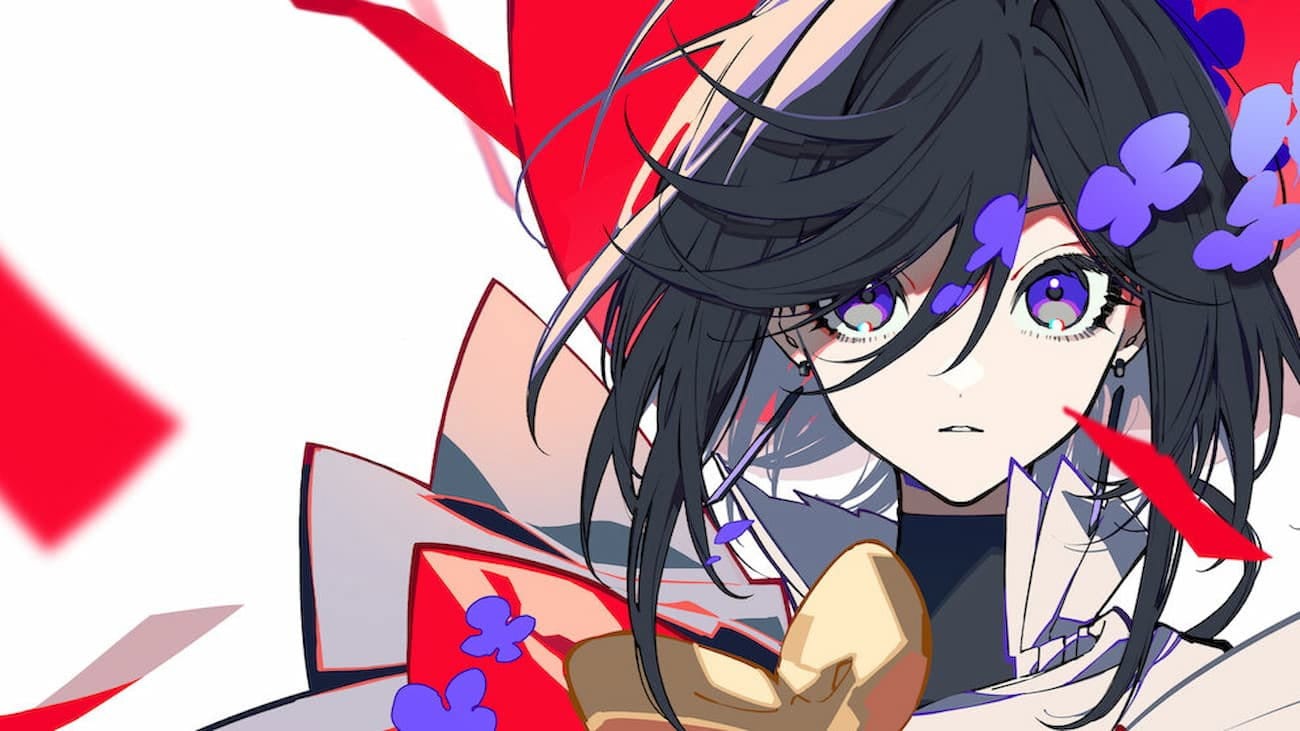
That is actually an opportunity, not just a constraint. The most honest reading of Princess Knight is not that Tezuka solved the questions he raised — it is that he raised them more clearly than anything else in postwar popular culture and then worked within the limits of his moment. A 2026 production, made with full awareness of that history, has the chance to pick up where Tezuka's limits left off.
The Only Measure That Matters
Fidelity to the source material is the wrong metric for this adaptation. The right metric is fidelity to the source material's intent — the restless, structurally radical intent of a cartoonist who understood that genre conventions are cages and built his most enduring work out of that understanding. The Ribbon Hero does not need to replicate Tezuka's 1950s aesthetic or preserve his plot beats intact. It needs to ask the same question he asked, with the full weight of everything that has happened in the seventy years since.
Whether Netflix's production apparatus is capable of that kind of intellectual honesty with a property it has licensed rather than originated — that is the real premiere. August 2026 is when we find out.
Read next on Kynari
- The Ribbon Hero: What Netflix's Reimagining of Princess Knight Tells Us About the Future of Shōjo on Streaming
- Ghost in the Shell (2026) — Science SARU's New Series Adaptation Is Quietly Becoming the Summer's Most Debated Anime
- Kyoto Animation Meets Netflix: Can Arakawa's New Vision Survive the Algorithm?