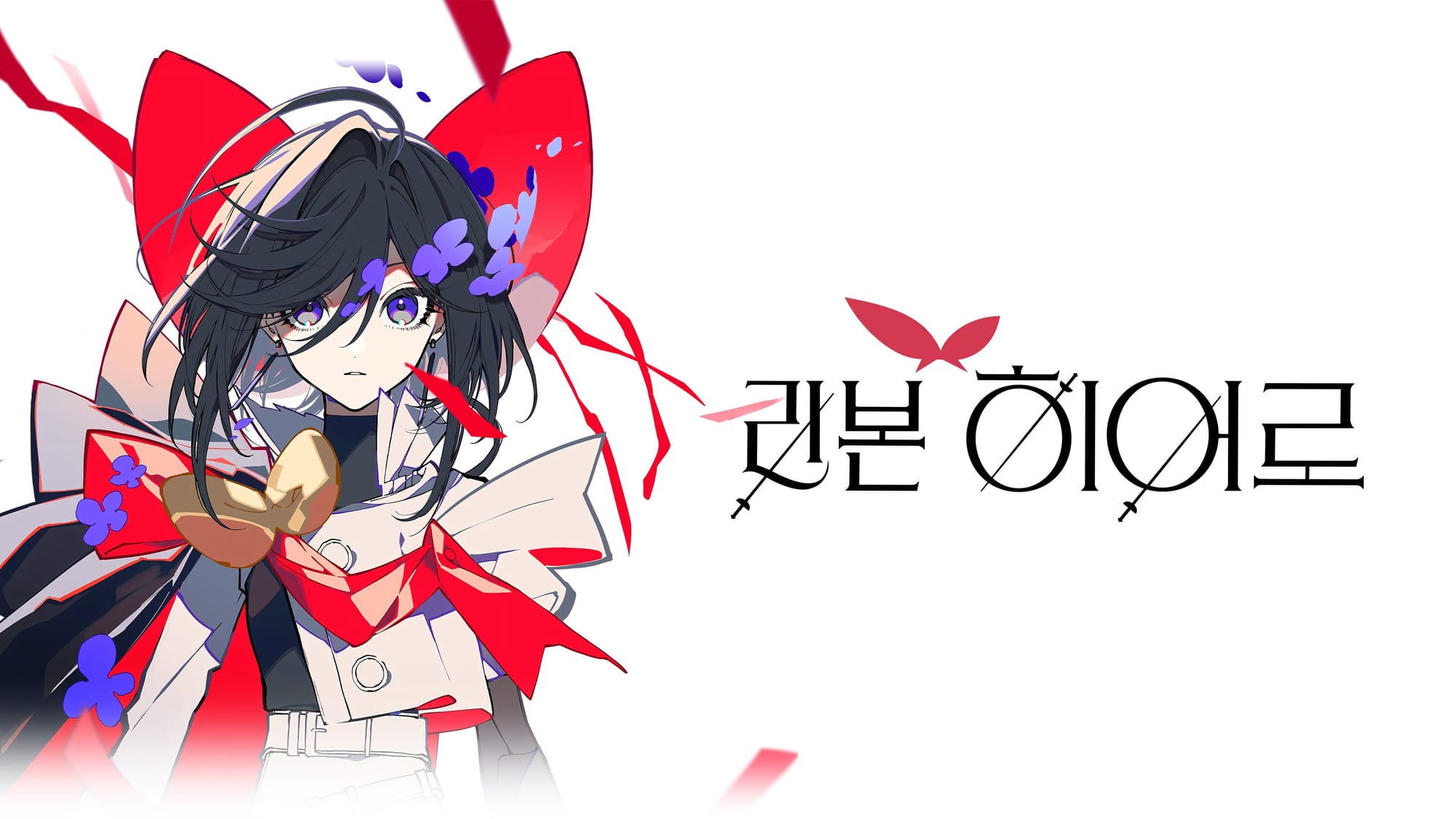
Faithfulness to source material is overrated. That is not a provocation — it is a diagnosis. The history of anime adaptation is littered with productions that treated loyalty to the panel as a virtue in itself, producing work that neither served new audiences nor honored the original's deeper architecture. The Ribbon Hero (2025), Netflix's anime reimagining of Osamu Tezuka's Princess Knight (1953), is not one of those productions. Three weeks into its run, it has established itself as one of the more editorially courageous anime originals the platform has commissioned — and its courage is worth understanding on a structural level, not just celebrating.
What Tezuka Actually Built
Princess Knight was not simply a fairy-tale adventure about a girl who wields a sword. It was Tezuka's attempt to synthesize the visual grammar of Disney, the theatrical energy of Takarazuka Revue, and the gender anxiety of postwar Japan into a single, serialized form. Sapphire — the princess born with both a boy's heart and a girl's heart — was never a straightforward hero. She was a site of contradiction, and that contradiction was the point. Tezuka was not writing liberation fantasy. He was mapping the cost of performing a self that institutions demand.
Any adaptation that reduces that to "brave girl fights for the throne" has already failed, regardless of how faithfully it reproduces the character design. The question The Ribbon Hero asks — implicitly, through its structural choices — is what it means to honor a text's argument rather than its surface.
Reimagination as Editorial Discipline
The Ribbon Hero relocates the story's core tensions into a contemporary-adjacent world where the performance of gender identity is mediated by spectacle, celebrity, and algorithmic visibility. The ribbons of the title are not decorative — they function as the show's central metaphor for the binding systems that gender imposes on the body and the self. Where Tezuka used the conceit of two literal hearts, the Netflix series uses the mechanics of public persona: its protagonist navigates a world that demands she be legible, singular, and consistent in ways that her actual experience refuses to be.
This is not a betrayal of Tezuka. It is a translation — and translation, done seriously, requires identifying what is irreducibly essential in the original and finding the contemporary form that carries equivalent weight. The creative team behind The Ribbon Hero has done that work. The show's willingness to abandon the medieval European aesthetic in favor of something more architecturally ambiguous, more cosmopolitan, signals that the production understood its assignment: not to recreate Princess Knight, but to make an argument of equivalent seriousness in 2025.
The Streaming Platform Problem
Netflix's relationship with anime canon has been uneven. The platform's adaptation of Cowboy Bebop (1998) as a live-action series demonstrated what happens when a production mistakes iconography for substance — reproducing the surface while hollowing out the philosophical structure beneath it. Against that backdrop, The Ribbon Hero represents a more disciplined model: commission a reimagining, not a recreation, and hold the creative team accountable to the source material's thematic ambitions rather than its plot architecture.
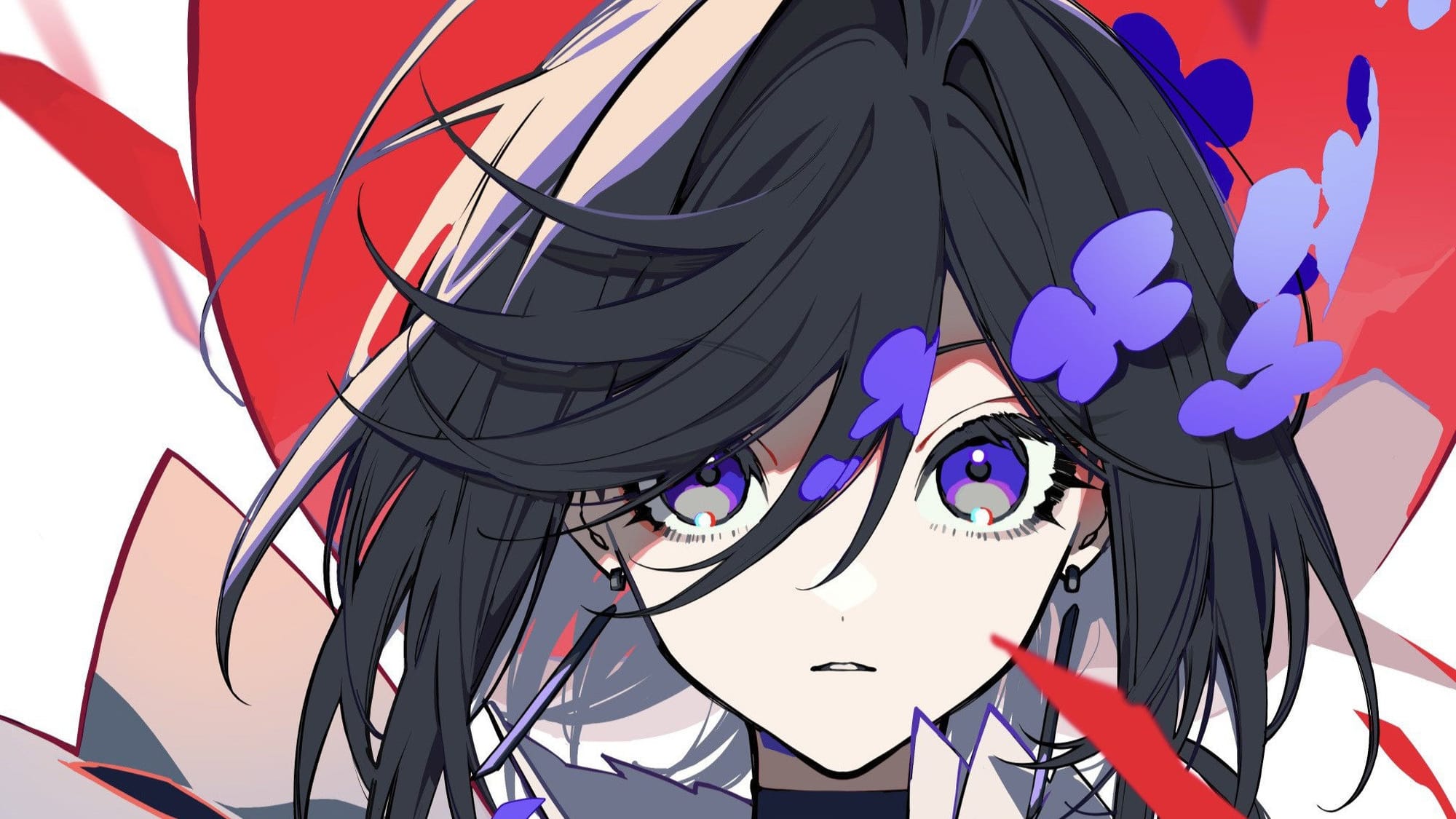
That distinction matters enormously as streaming platforms continue to mine manga's classic canon for IP. The shōjo genre, in particular, is vulnerable to a specific kind of mishandling — one that aestheticizes its visual vocabulary (the flowers, the ribbons, the expressive typography) while discarding the genre's historical function as a space for articulating experiences that mainstream culture refused to validate. Shōjo was never just a demographic category. It was an argument about whose interiority deserved representation.
What a Model Looks Like
If The Ribbon Hero succeeds — critically and on the platform's own engagement metrics — it should establish a replicable framework: identify the thematic core of the source work, find creative collaborators who can translate that core into contemporary form, and resist the institutional pressure to sand down ambiguity in favor of broader accessibility. The show is not easy. It expects its audience to sit with contradiction rather than resolve it. That expectation is itself an act of fidelity to Tezuka, who never resolved Sapphire's double heart, because resolution would have been a lie.
Streaming platforms have the distribution architecture to introduce foundational shōjo texts to global audiences who have never encountered them. What they have historically lacked is the editorial conviction to treat those texts as arguments worth preserving rather than properties worth exploiting. The Ribbon Hero is evidence that the conviction is possible. Whether Netflix treats it as a template or an anomaly will say more about the platform's relationship to manga's canon than any acquisition announcement ever could.
 Official trailer