A $230–250 million domestic opening without IMAX. Let that sit for a moment. Spider-Man: Brand New Day (2026) hasn't opened yet, and it's already rewriting the terms of the conversation about what superhero cinema can do in a post-multiversal landscape.
The projections aren't the story. The conditions that produced them are.
The IMAX Variable Nobody Is Talking About Enough
When Spider-Man: Brand New Day opens July 31, a significant portion of premium large-format screens across North America will be occupied by Christopher Nolan's The Odyssey (2026). That's not a scheduling footnote — it's a structural constraint with analytical consequences. IMAX screens generate a disproportionate share of opening-weekend revenue; they inflate per-theater averages, dominate evening showtimes, and carry a ticket premium that compounds totals. Losing them to Nolan isn't a minor handicap. It's the kind of ceiling that, historically, has cost films tens of millions in their first three days.
The fact that Brand New Day is projected to clear $230M anyway — without that ceiling — suggests the floor beneath it is structurally higher than anything the MCU has built on in years.
What the Audience Is Actually Responding To
The dominant theory after Avengers: Secret Wars speculation peaked was that the multiverse had become the primary engine of Spider-Man demand. Nostalgia arbitrage: bring back Tobey Maguire, bring back Andrew Garfield, monetize the emotional ledger of three generations of fans simultaneously. Spider-Man: No Way Home (2021) validated that theory so thoroughly it looked like a permanent formula.
Brand New Day appears to test — and potentially disprove — that assumption. The film's premise draws from one of the most divisive storylines in Spider-Man comics history, one that deliberately erased Peter Parker's established personal continuity. It doesn't traffic in cameos. It doesn't promise reunion. It asks audiences to follow a character into an identity stripped of its most familiar anchors.
And audiences are showing up at projected rates that rival the nostalgia era's best openings.
That's not nothing. That's a data point about character equity — the idea that Peter Parker, constructed carefully enough, doesn't need supplementary star power to generate maximum demand. The character is the IP. The actor is the IP. The story, apparently, is enough.
Nolan as Involuntary Control Group
There's an unintentional elegance to the competitive dynamic here. The Odyssey, occupying IMAX screens on the same weekend, represents cinema's other dominant mode in 2026: auteur prestige at scale, designed specifically for premium formats, built around Nolan's proven ability to command theatrical attendance through spectacle and intellectual weight.
The two films aren't really competing for the same viewer. They're competing for the same screens — and the distinction matters. Audiences for Brand New Day aren't being driven away by Nolan's presence; they're simply being routed into standard and PLF auditoriums. The demand doesn't dissipate. It redistributes.
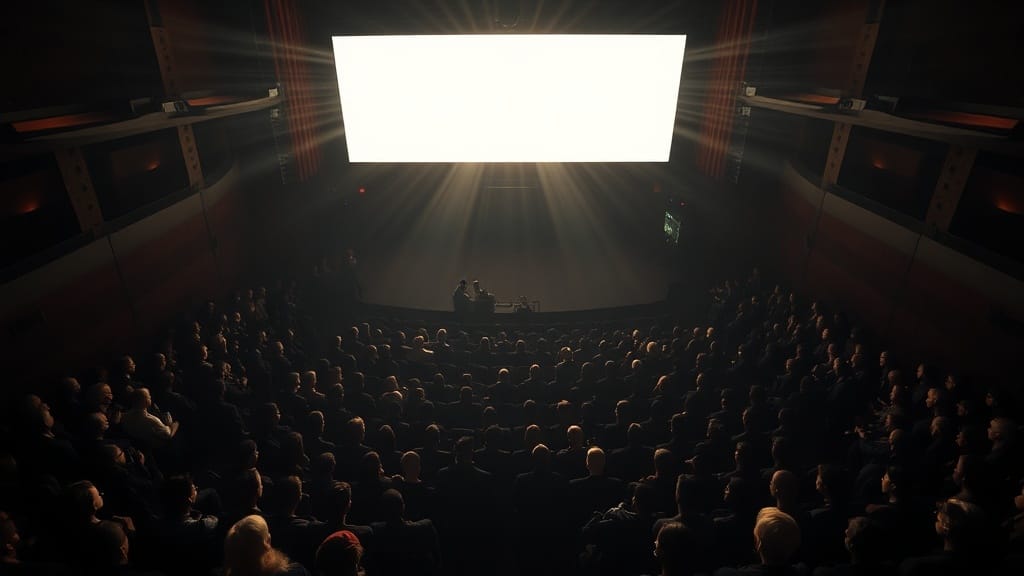
What this creates, inadvertently, is a near-perfect test case. Two films, simultaneous release window, splitting premium inventory between them, both likely to perform. If Brand New Day hits the high end of its projections, it won't just be a Spider-Man record — it will be evidence that the superhero genre has developed an audience base resilient enough to absorb format disadvantages without hemorrhaging revenue.
The Broader Recalibration
The industry narrative since 2023 has been one of contraction: superhero fatigue, franchise exhaustion, a public growing selective about which capes it follows into theaters. That narrative isn't wrong — it's just incomplete. What's been happening isn't uniform fatigue. It's filtration. Audiences have become more discriminating, not more absent.
The films that have underperformed weren't punished for being superhero films. They were punished for being bad ones, or for offering diminishing returns on a specific emotional transaction — usually the crossover event, the fan-service moment, the cameo designed to trigger a Pavlovian response in a demographic that has started recognizing the mechanism.
Brand New Day's projected performance suggests that when a Spider-Man film offers something that reads as genuinely new — even if that newness is the discomfort of narrative reset — the audience responds with spending behavior indistinguishable from peak-nostalgia enthusiasm.
The question that July 31 will begin to answer isn't whether superhero cinema is alive. It's whether it's capable of evolving past the conditions that briefly made it feel immortal. A $230 million floor, built without IMAX and without the multiverse, is a compelling opening argument that it is.
 Official trailer