Sony didn't just market a movie. It engineered an atmosphere. With Spider-Man: Brand New Day (2025), the studio deployed a promotional apparatus involving over 165 brand partners — a figure that dwarfs any previous superhero release and, more importantly, reframes what a film launch actually is. The box office number is no longer the headline. The cultural saturation is.
The Architecture of Ubiquity
To understand what Sony built, stop thinking about trailers and think instead about territory. Every major consumer vertical — food and beverage, apparel, automotive, tech, personal care, retail — was mapped, assigned, and activated simultaneously. Spider-Man's iconography didn't bleed into daily life the week the film opened. It arrived months earlier, woven into products people were already buying, already using, already loyal to. By the time the first ticket was scanned, the film had already won.
This is the logic of cultural pre-saturation: make the IP so ambient that the theatrical release functions less as an introduction and more as a confirmation. Audiences don't discover the movie — they finally meet something they already feel they know. The opening weekend becomes ceremonial.
What 165 Partners Actually Means
Scale matters here, but not in the way raw numbers usually do. The significance of 165 brand integrations isn't volume — it's coverage density. Each partnership represents a distinct consumer touchpoint: a grocery shelf, a streaming ad slot, a limited-edition sneaker drop, a fast-food meal, a car commercial. Individually, these are promotional tactics. Collectively, they constitute an alternative media channel operating at full bandwidth, one that Sony neither owns nor pays for in the traditional sense. The brands absorb the distribution cost. Sony absorbs the cultural reach.

The studio has, in effect, outsourced cultural penetration to the private marketing budgets of 165 corporations. That is not a promotional strategy. That is infrastructure.
The Precedent Problem
The comparison point most frequently cited is Barbie (2023), Warner Bros.' meticulously orchestrated cultural event that turned a 65-year-old toy into a civilizational talking point. That campaign — sharp, self-aware, genuinely creative — involved roughly 100 brand partners and became the industry's new benchmark almost overnight. Sony has now surpassed it by more than 60 percent, and done so without the same critical scaffolding. Where Barbie's marketing had a thesis, Spider-Man's has a system.
That distinction matters. Barbie sold an idea and used brands to amplify it. Spider-Man: Brand New Day sold access to an idea and used brands to constitute it. The former is a campaign. The latter is closer to a franchise operating system, one designed to replicate and expand regardless of whether any individual film is good.
The Moment as Product
Studios have long understood that a film's cultural footprint can outlast its theatrical run, but the traditional sequence was always reactive: a movie succeeds, merchandise follows, cultural resonance accumulates. Sony has inverted that sequence entirely. The resonance is engineered first. The film arrives into an ecosystem already primed for it.
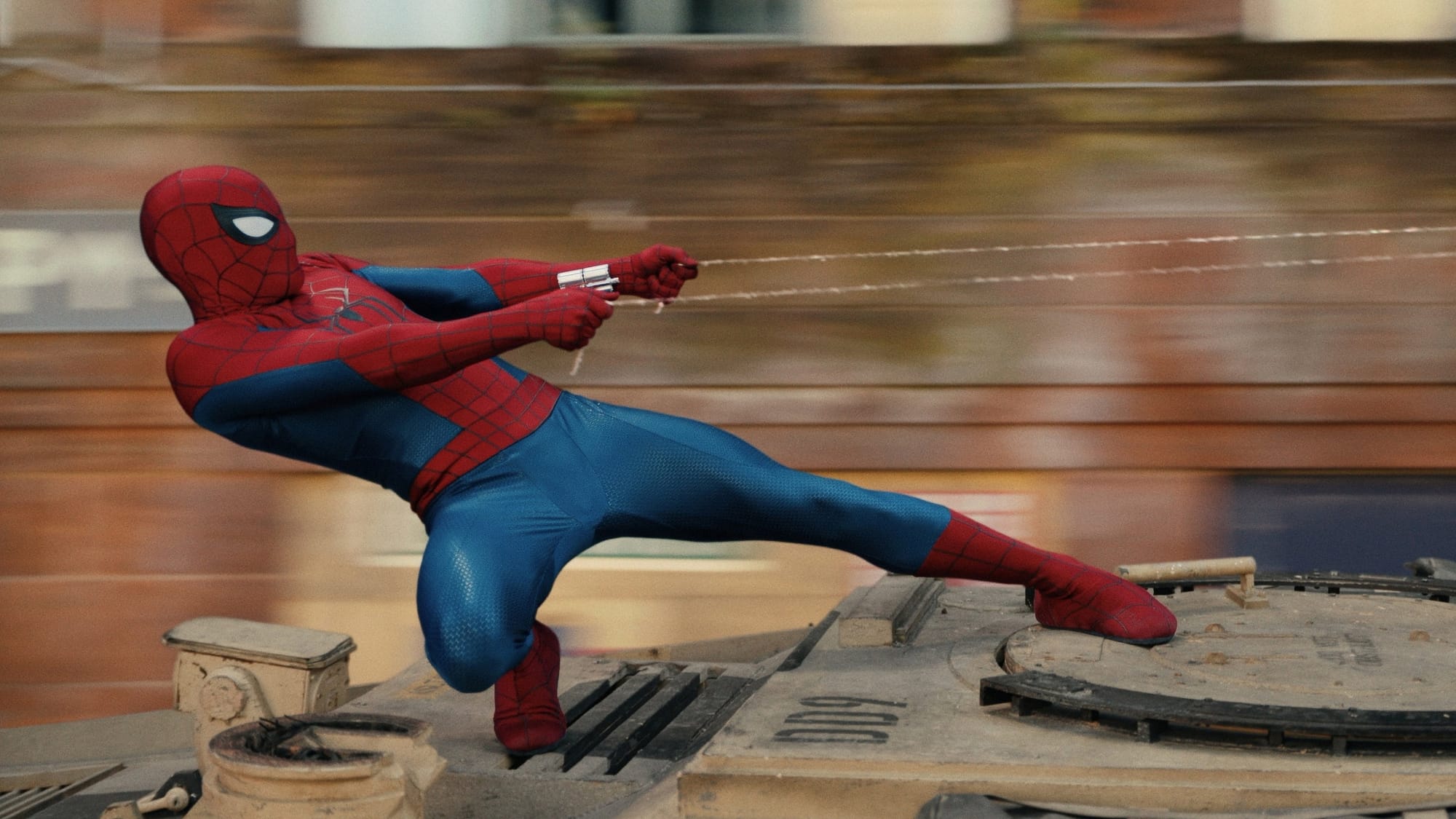
This creates a peculiar dynamic around quality. When the cultural moment is the primary product, the film itself becomes almost secondary — a necessary anchor point, but not the value driver. A disappointing opening weekend no longer signals campaign failure. It may not signal anything at all, because the cultural penetration has already occurred, the brand revenues have already been shared, and the IP has already been reinforced in consumer memory. The movie can underperform. The machine has already delivered.
What Sony Has Actually Built
The 165-brand model is not a stunt. It is a replicable architecture, and Sony knows it. Every lesson learned from this campaign — which categories convert, which demographics activate, which integration formats generate measurable lift — feeds directly into the next launch. Spider-Man is the test case. The IP is almost incidental.
What's being normalized here is the idea that a film's promotional ecosystem is itself a media property, one with its own audience, its own economics, and its own metrics of success entirely separate from what happens inside a theater. That is a structural shift in how popular culture gets manufactured and delivered, and it is happening quietly, disguised as Spider-Man holding a fast-food cup.
The cultural moment was always the product. Sony just made the engineering visible.