Four sequels in, the Jumanji franchise is still rolling the dice. Jumanji: Open World (2026) is positioned as the most ambitious entry yet — a globe-spanning, video-game-logic adventure with the returning core cast and a premise that, on paper, doubles down on everything that made Jumanji: Welcome to the Jungle (2017) a surprise box-office phenomenon. The question isn't whether the film will open strong. It's whether there's anything left in the concept worth exploring — or whether Sony is simply printing money until the machine stops.
What We Know About Open World
Details remain deliberately sparse, but the title alone signals the creative direction: the video game world expands, the rules mutate, and the stakes are framed as higher than ever. "Open world" as a gaming concept implies freedom, scale, and emergent possibility — things that translate poorly to a two-hour linear narrative. The risk is cosmetic ambition masking structural repetition. Different biomes, same beats. New NPCs, same character arcs. Bigger budget, same emotional ceiling.
The franchise has already navigated one tricky transition. Jumanji: The Next Level (2019) recycled the body-swap mechanics by reshuffling which actors were performing which avatars — a clever workaround that delivered diminishing returns by the third act. Open World has no obvious equivalent trick waiting in reserve. Expanding the map is a production design solution, not a storytelling one.
The Franchise's Structural Weakness
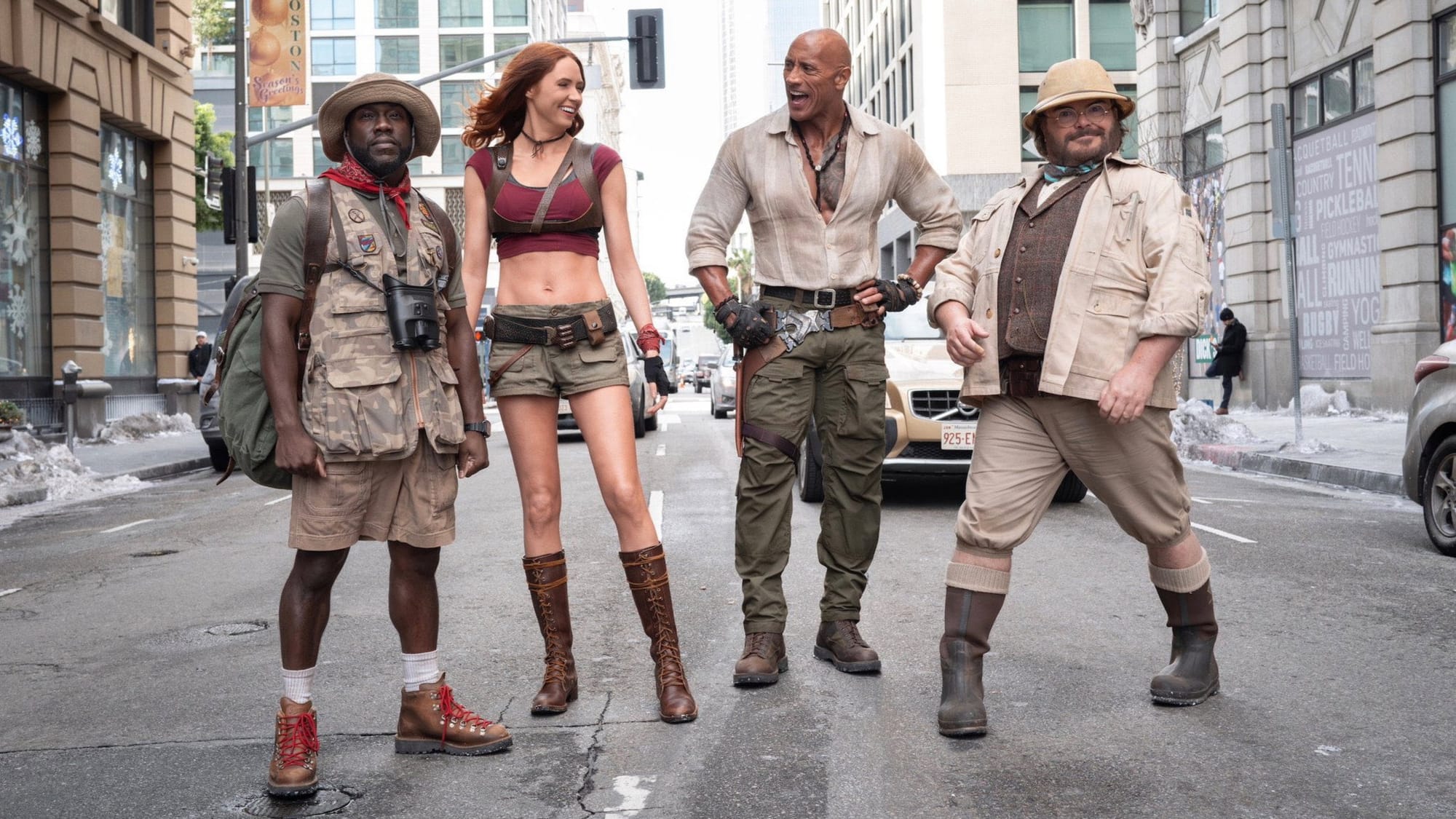
The 2017 reboot worked because it had a genuine engine: the contrast between the characters' real-world identities and their in-game avatars generated consistent, renewable comedy and earned its emotional beats. Dwayne Johnson playing a teenage boy trapped in a hyper-masculine body was a premise with actual satirical teeth. By The Next Level, that engine was already running on fumes, kept alive largely by the charisma of its cast and Danny DeVito's reliably committed work.
What Open World inherits is a franchise whose central conceit has been fully exhausted at the character level. Spencer, Fridge, Martha, and Bethany have completed their arcs. They know who they are. The game no longer teaches them anything. Without that pedagogical tension — the game as a mirror — Jumanji is just an action-comedy with an unusual setting. There are worse things to be, but it's a significant reduction in stakes.
The Case for Optimism
Franchises have survived worse structural crises by committing to genuine reinvention. The most defensible path for Open World is a hard pivot: new players entering the game, a fundamentally altered rule set, or a narrative that interrogates the game itself rather than simply inhabiting it. The "open world" framing could, in skilled hands, become a meditation on agency, narrative determinism, and what it means to play a story rather than live one — territory the Jumanji films have always flirted with but never fully entered.
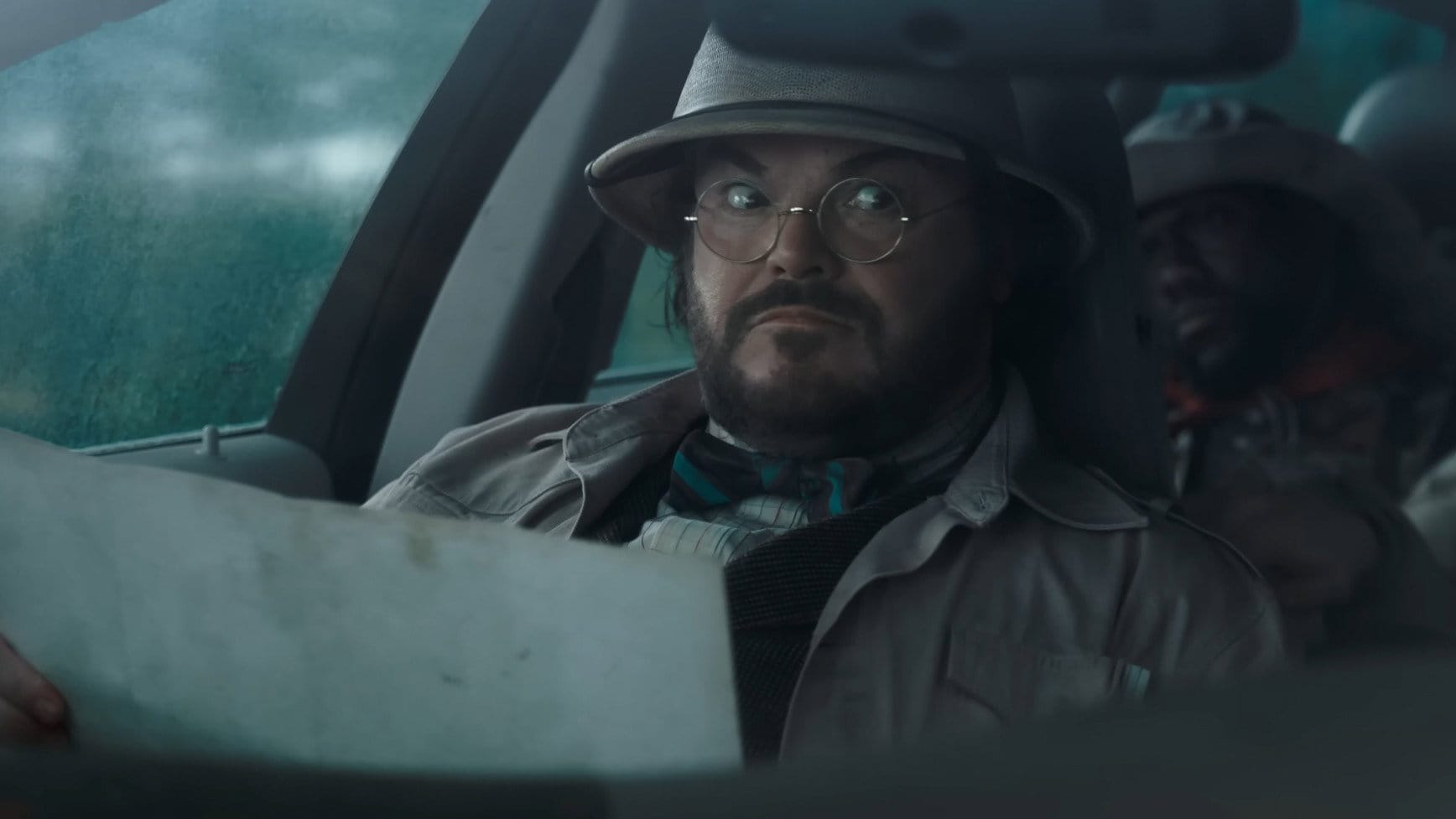
There is also the commercial reality that anchors studio decision-making. The two modern sequels combined for over $1.7 billion at the global box office. Sony has every financial incentive to protect that asset, which paradoxically might pressure the production toward conservatism — the very thing that would confirm the franchise's creative exhaustion.
Stretching the Board
The honest answer to whether Jumanji: Open World is a stretch too far is: it depends entirely on whether the filmmakers are willing to break their own toys. Safe sequels that gesture toward scale while preserving familiar comfort tend to land with a thud that echoes — profitable on opening weekend, forgotten by summer's end. The films that justify their own existence at this stage of a franchise are the ones that cost the story something real.
The board is set. The pieces are moving. Whether anyone at the table is actually playing — or just going through the motions — is what 2026 will answer.