Two things arrived in the same week: Gege Akutami published farewell exhibition artwork marking the end of Jujutsu Kaisen (2020) as a manga, and the teaser for Season 4 of the anime adaptation dropped online. The timing was not accidental. It was architecture.
The instinct is to read these as parallel tracks — the author signing off on his literary creation while the industrial machine keeps spinning. That framing is too comfortable. What actually happened is that both events are performing the same function: they are packaging grief as consumption. The farewell art gives fans a sanctioned emotional object to mourn over. The teaser immediately redirects that grief into anticipation. The cycle completes in under seventy-two hours.
The Authored Goodbye as Brand Asset
Akutami's exhibition art carries genuine weight. The imagery is spare, elegiac, and unmistakably final — the kind of visual statement that an artist makes when they are genuinely done. That sincerity is not in question. What is worth interrogating is the structural role that sincerity now plays in a franchise ecosystem.
When a creator's farewell is legible as a cultural event — when it generates press cycles, fan tributes, and trending topics — it becomes inseparable from the promotional apparatus surrounding it, regardless of intent. Akutami's goodbye is both a personal artistic statement and, functionally, a marketing inflection point. The two are not mutually exclusive. But the industry has learned to exploit the ambiguity between them with increasing precision.
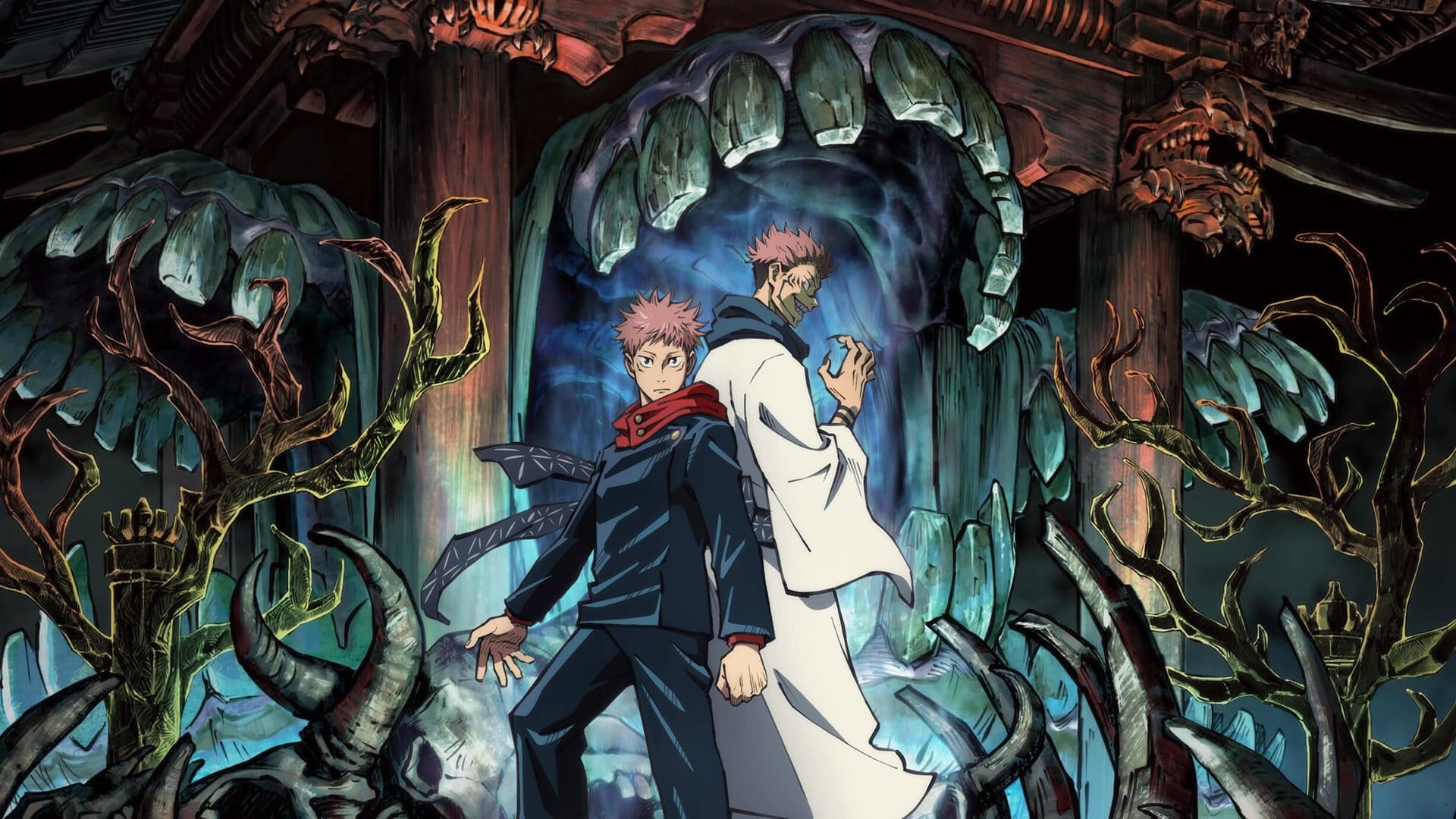
This is not unique to Jujutsu Kaisen. The manga ending for Demon Slayer (2016) was treated as a national event in Japan. The final chapter of Attack on Titan (2009) generated enough discourse to sustain its anime adaptation's marketing campaign for two additional years. What is sharpening now is the deliberateness of the synchronization — the willingness to place a creator's emotional valediction and a studio's commercial announcement in the same news cycle and let them amplify each other.
The Teaser as Emotional Redirect
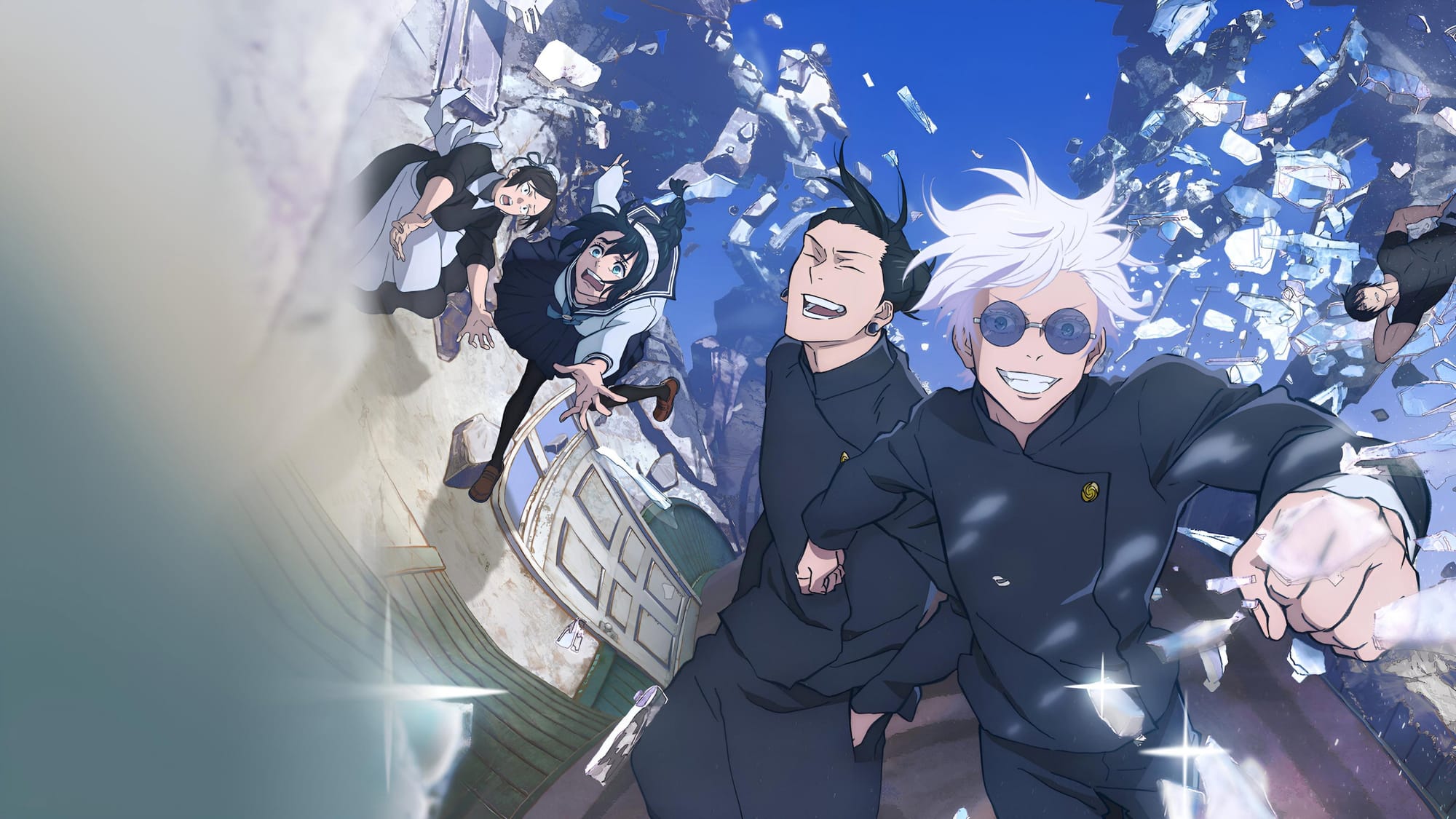
Season 4 of the anime will adapt the manga's final arc. That means the teaser is not advertising a continuation — it is advertising a conclusion. The distinction matters enormously, because it reframes what the viewer is being asked to purchase: not more story, but the experience of a known ending, rendered in animation, delivered on a schedule.
This is a relatively new product category. For most of anime's commercial history, adaptations chased source material. The adaptation of a completed, concluded narrative — where the audience already knows the ending — requires a different kind of marketing logic. The mystery of outcome is gone. What remains is ceremony. The sell is ritual participation: being present for the official animated version of something that already happened, emotionally speaking, in print.
The teaser does this work efficiently. It does not reveal. It evokes. It is designed to activate existing emotional memory in fans who already read the manga, while creating sufficient spectacle to pull in those who did not. Grief and hype are blended into a single audio-visual compound.
Endings as Infrastructure
What the Jujutsu Kaisen week exposes is that the anime industry has developed a sophisticated infrastructure around endings — not just for producing them, but for staging them. Exhibition art, farewell illustrations, creator interviews, limited merchandise, and adaptation teasers are not separate events loosely clustered in time. They are coordinated beats in a structured emotional campaign.
The question this raises is not whether any of it is cynical — much of it is clearly felt, by creators and fans alike. The question is whether the monetization of an ending changes the nature of that ending. Whether a goodbye that is also a product launch can remain fully a goodbye.
There is no clean answer. Akutami's art is real. The grief fans feel is real. The studio's commercial interest is also real. What the simultaneous arrival of farewell and teaser makes visible is the degree to which those three things have become structurally inseparable — not corrupting each other, exactly, but no longer distinguishable in the market's handling of them.
Jujutsu Kaisen is ending. Season 4 is coming. Both statements are true, and the industry has engineered a moment in which they feel like the same statement. That engineering is the story.
 Official trailer