Most franchises die quietly. The final volume ships, the last episode airs, the fan wikis freeze in amber, and the cultural conversation moves on. Attack on Titan (2013) has done something structurally different: it has secured an official calendar date — September 9, recognized as Attack on Titan Day — and in doing so, transformed a conclusion into an institution. That move deserves scrutiny, not celebration.
 Official trailer
The Mechanics of Institutionalization
September 9 is not an arbitrary choice. The date encodes the franchise's own mythology — 9/9, echoing the nine Titans of power central to Hajime Isayama's lore — which means the commemoration is designed to be self-explanatory to the initiated and intriguing to the uninitiated. That dual legibility is not accidental. It is the first condition for a cultural date to survive: it must function as both insider signal and external advertisement.
The official registration of such a date — whether through municipal recognition, publisher endorsement, or coordinated industry campaigns — represents a maturation of franchise management strategy. It borrows from the sports world, where championship anniversaries and retired jersey numbers serve as permanent structural reminders of a team's historical weight. Applied to anime, the logic is identical: you are not commemorating the past, you are legislating relevance into the future.
What "Completed" Actually Means Now
The conventional wisdom held that completion was a franchise's vulnerability. Once the story ends, the urgency of engagement evaporates. Readers and viewers who came for narrative resolution have no mechanical reason to return. The industry's traditional answer was adaptation churn — films, spin-offs, pachinko machines, alternate-universe manga — an approach that frequently dilutes rather than deepens a property's cultural standing.
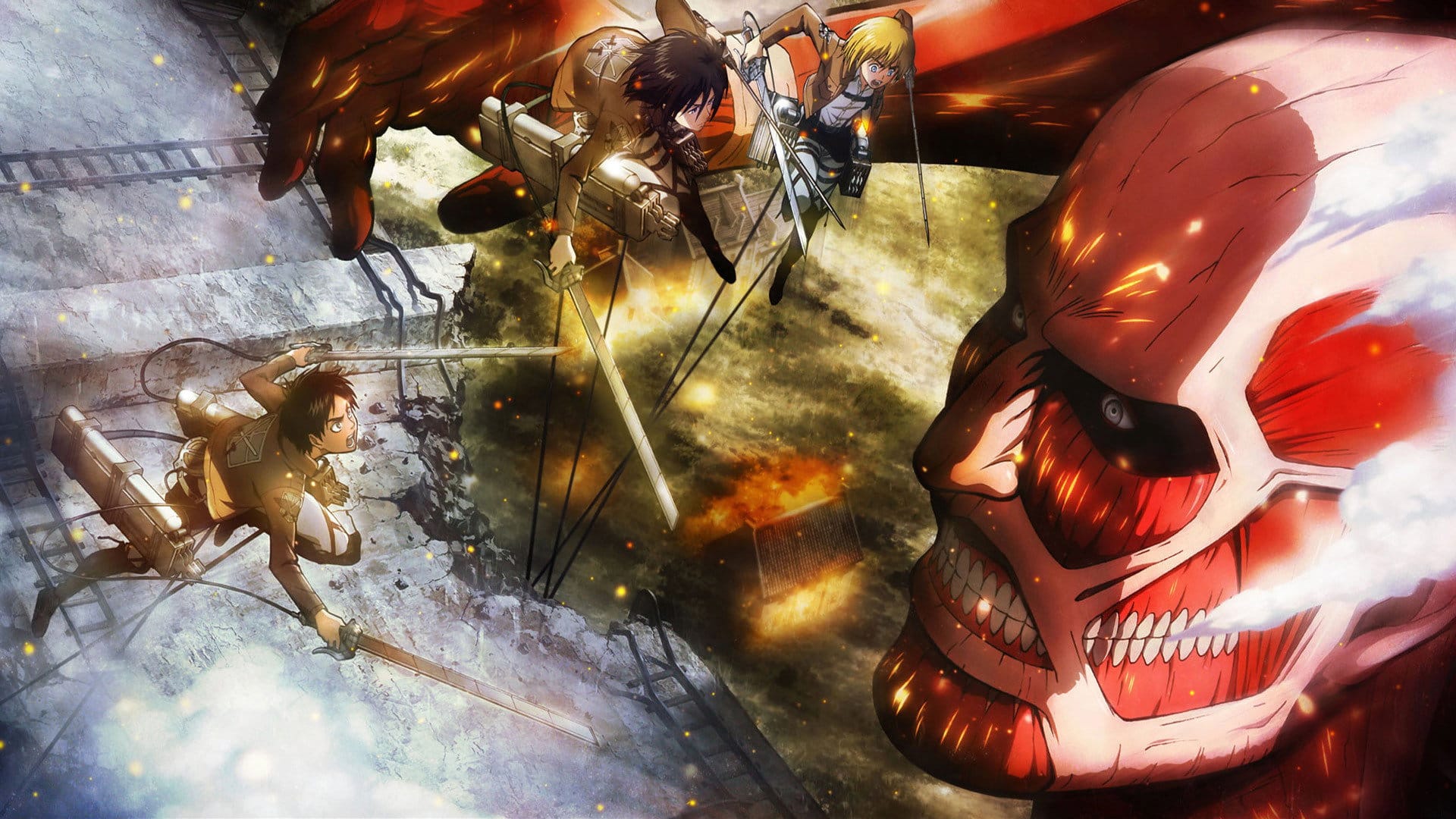
Attack on Titan (2013) pursued a different architecture. The final season's release was staggered across years, deliberately extending the cultural window. The anime conclusion arrived well after the manga's, giving two distinct audience cohorts — readers and viewers — their own separate moments of closure, each reactivating press cycles and social discourse. By the time the story was genuinely over, the franchise had practiced the rhythm of ending and returning so many times that "completion" felt less like a terminus and more like a permanent state of managed retrospection.
September 9 is the logical endpoint of that architecture. It does not ask the audience to consume something new. It asks them to show up on a specific date and perform fandom — and that performance, aggregated across social platforms, generates visibility that functions identically to a marketing campaign, at zero production cost to the rights holders.
The Precedent Problem
The more consequential question is what this model signals to the properties that follow. Franchise managers and publishers are watching. If a completed anime — one with no new canonical content on the horizon — can generate annual cultural events that sustain merchandising cycles and streaming catalogue traffic, the incentive to engineer similar commemorations for other properties becomes obvious and immediate.
The risk is calendar saturation. Designated franchise days already exist in sprawling number across the entertainment landscape, most of them ignored outside core fan communities. What distinguishes a date that achieves genuine cultural weight from one that simply exists in a press release is the same thing that distinguished Attack on Titan (2013) from its contemporaries in the first place: the depth of the original work's emotional and thematic imprint. You cannot institutionalize a franchise that did not first matter. The calendar is not a shortcut; it is an amplifier.
Legacy as Infrastructure
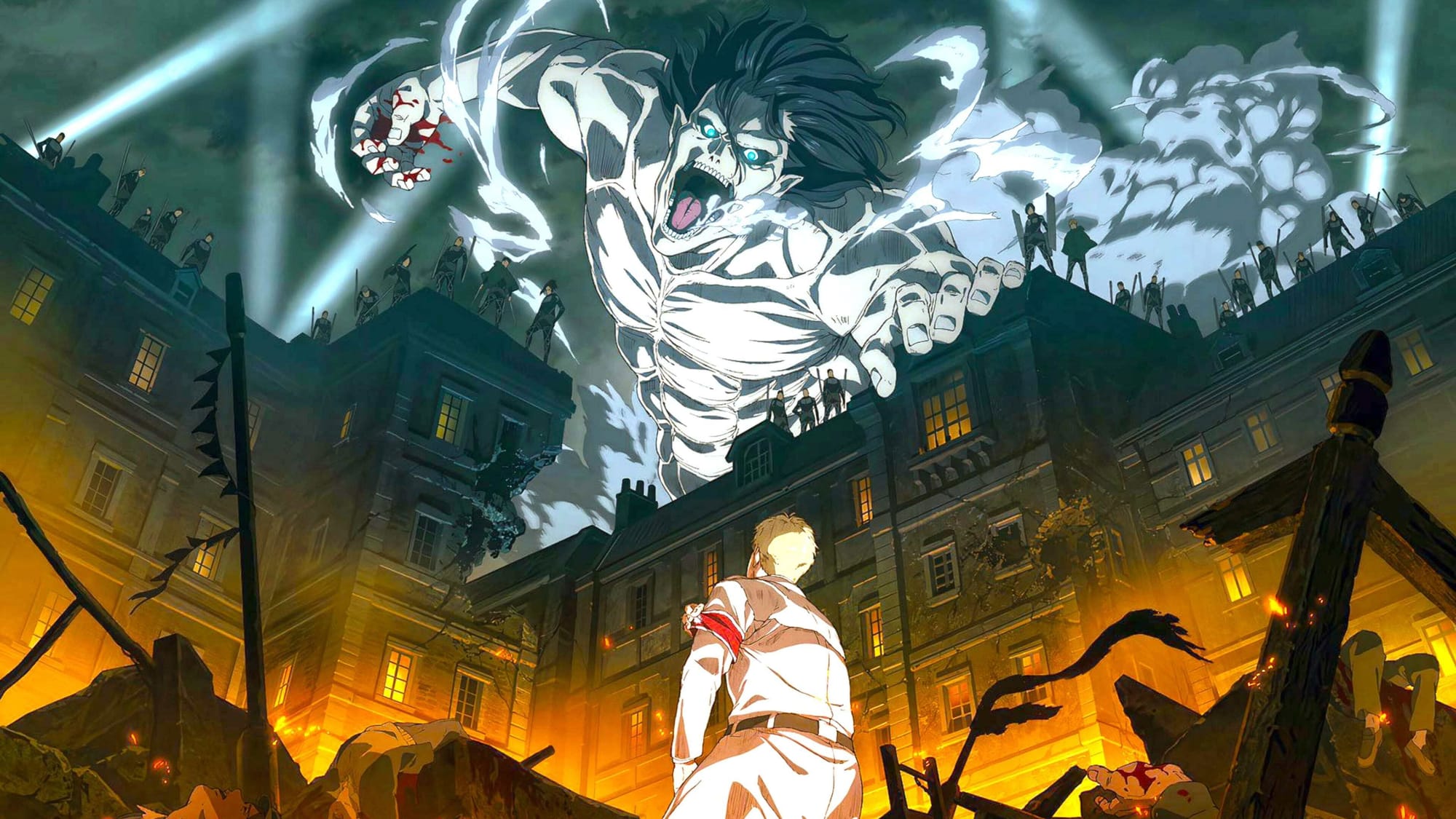
There is something worth acknowledging in the severity of what Attack on Titan (2013) accomplished narratively — a story that began as a survival horror spectacle and arrived, after a decade, at questions of cyclical violence, inherited trauma, and the ethics of liberation that remain genuinely unsettled. That thematic density is the real asset being managed. September 9 is simply the most visible interface through which that asset is accessed.
The institutionalization of a franchise's legacy is not inherently cynical. Remembrance has always required structure — dates, rituals, designated spaces. What the Attack on Titan model clarifies is that in the contemporary media landscape, that structure can be built deliberately, by rights holders, before nostalgia has even fully formed. The audience is not being exploited. They are being given a container for something they already feel — and, as Kynari has argued about the fandom side of this same date, a fandom that never stopped arguing over what the ending meant was always going to be the fandom that showed up to fill that container.
Whether that container serves the work or merely the balance sheet depends entirely on what gets placed inside it. As of September 9, 2026, the answer remains open. That, too, is by design.