There is no such thing as a sentimental corporation. When Disney places a golden plaque in someone's hands on the D23 stage and declares them a Legend, it is not lost in reverie about the magic of storytelling. It is making a calculated argument about which version of itself it wants the world to remember — and, more importantly, which version it intends to sell next.
The Disney Legends award, established in 1987, has always been presented as an act of institutional gratitude. In practice, it functions as something more precise: a canonization mechanism. The inductees in any given year form a mosaic that, read carefully, maps the company's anxieties, ambitions, and ongoing image rehabilitation efforts as clearly as any earnings call.
The Strategic Grammar of the 2026 Class
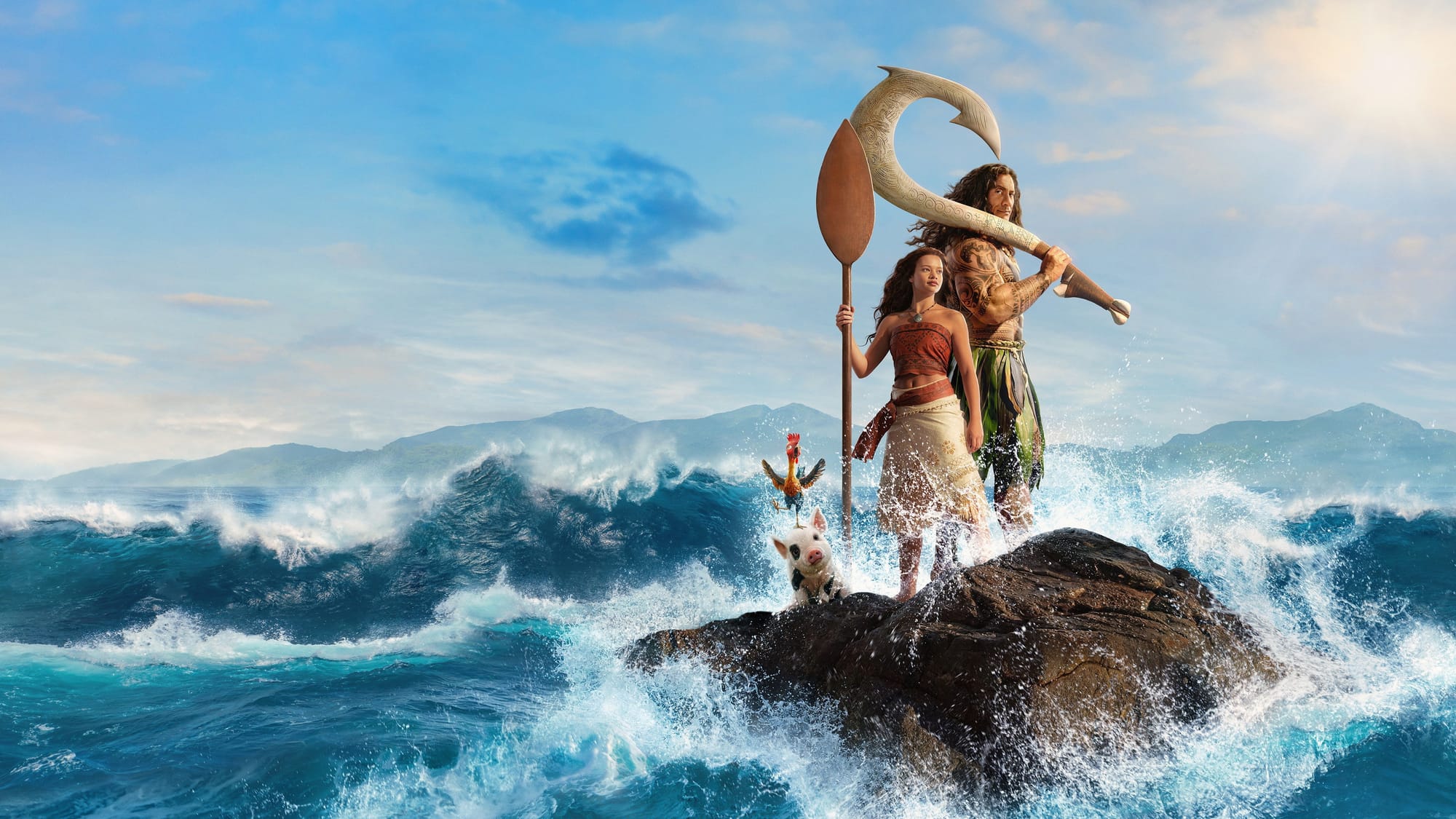
Anne Hathaway and Dwayne Johnson anchoring the 2026 class is not a coincidence of scheduling. These are two figures whose relationship to the Disney brand is active, not archival. Hathaway remains culturally magnetic — critically serious, commercially reliable, and associated with franchise properties that Disney has every interest in revisiting or extending. Johnson, whose connection to the Mouse House runs through the Moana (2016) live-action universe and years of Marvel-adjacent negotiation, represents exactly the kind of IP-adjacent star power that Disney's current content model depends on. Honoring them now is not a look backward. It is a handshake forward.
This is the central mechanism the ceremony obscures: the award is almost never primarily retrospective. It arrives at the moment of maximum utility — when a star's mythology can be absorbed into Disney's own, when their cultural capital is still liquid enough to transfer. The Legends class is less a hall of fame than a strategic alliance dressed in nostalgia's clothing.
How Mythology Gets Manufactured
Disney's genius, across nearly a century, has been its ability to naturalize the corporate. The D23 ceremony is perhaps the purest expression of that talent. The stage design, the archival footage, the carefully produced tribute reels — all of it creates the sensation that what is being witnessed is history being recognized rather than history being written in real time by a communications department.
The inductees themselves rarely resist the frame. Why would they? Being declared a Legend by Disney is one of the few institutional honors in pop culture that carries genuine public weight — precisely because Disney has spent decades making D23 feel like a sacred space rather than a biannual marketing event. The audience, tens of thousands strong, participates willingly in the ritual. That willingness is what makes the machinery invisible.
What gets obscured in that invisibility is the selection process. Who is not inducted, and when, matters as much as who is. Figures whose legacies have become complicated — whose presence might invite questions Disney would prefer not to answer — are deferred indefinitely. The archive is curated, not comprehensive. Every Legend inducted ratifies a particular story; every absence enforces it.
The Inductee as Brand Asset
To be fair to the ceremony's emotional reality: many of the people who receive this award have genuinely shaped the culture. The problem is not that the recognition is undeserved. The problem is that deserving and timing are treated as the same variable, when they are not. An artist can be Legends-worthy for twenty years before Disney finds it useful to say so publicly.
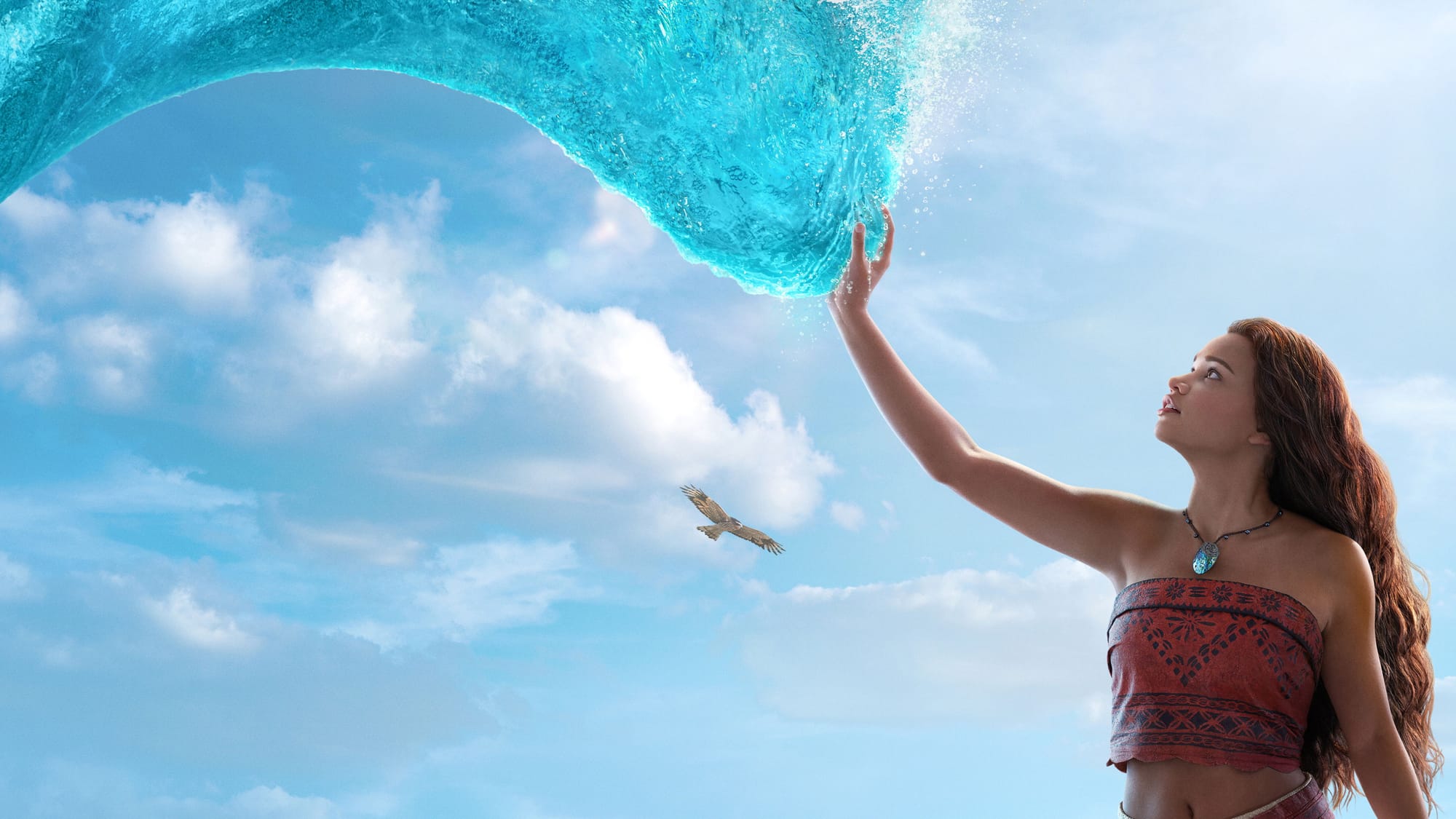
Johnson's induction is instructive here. His Moana connection gave Disney one of its most profitable animated properties of the 2010s. The live-action Moana (2024) needed his stamp of approval and enthusiasm to reach audiences who had grown up on the original. The Legends award arrives in that context not as a capstone but as an ongoing endorsement — a way of fusing his personal brand loyalty to the studio's publicly enough that neither party can easily walk it back.
Hathaway's induction operates differently but toward a similar end. She represents a version of Disney adjacency that the company wants to claim more completely — prestige, range, generational resonance. If Disney's next decade involves a push toward more adult-facing content under its various banners, having Hathaway formally inside the tent matters.
What Canonization Actually Costs
The Disney Legends ceremony works because it genuinely moves people. The emotion in the room at D23 is real. That reality is not separate from the strategy — it is the strategy. Manufacturing mythology requires authentic feeling as its raw material; the corporation cannot generate that feeling itself, so it harvests it from the artists it honors, from the audiences who love those artists, and from the decades of cultural investment everyone in that room has already made.
The 2026 class is not cynical. It is something more sophisticated than cynical: it is designed to feel like the opposite of what it is. That is Disney's oldest and most durable trick — making the deliberate look inevitable, making the institutional look personal, making the archive look alive.
The Legends plaque is real gold. The mythology it encodes is something the company will spend the next decade trying to collect on.