There is a particular kind of corporate violence that doesn't make headlines the way a scandal does. It happens quietly, in quarterly earnings calls and balance sheet adjustments, and it targets the one thing studios claim to love above all else: the movies themselves. Coyote vs. Acme (2025) is the most visible casualty of that violence to survive its own burial — and its resurrection at Comic-Con, weeks before an August 28 theatrical release through Ketchup Entertainment, says something about the studio system that no press release will ever admit.
What Warner Bros. Did
In late 2023, Warner Bros. Discovery made the decision to shelve Coyote vs. Acme — a completed live-action/animation hybrid directed by Dave Green, written by Samy Burch, and starring John Cena — not because it tested poorly, not because it was broken, but because writing it off as a tax deduction was more financially expedient than releasing it. The film had a reported production budget north of $70 million. It had a cast. It had a release strategy. It had, by all accounts, a functioning movie inside it. None of that mattered. The calculus of depreciation won.
The precedent this set was not lost on the industry. Batgirl (2022) had already been erased under the same logic, its directors left to watch their work dissolve into an accounting entry. Coyote vs. Acme was meant to follow. The difference is that this time, the filmmakers fought back, the film found a buyer, and the audience got to weigh in.
Comic-Con as a Verdict
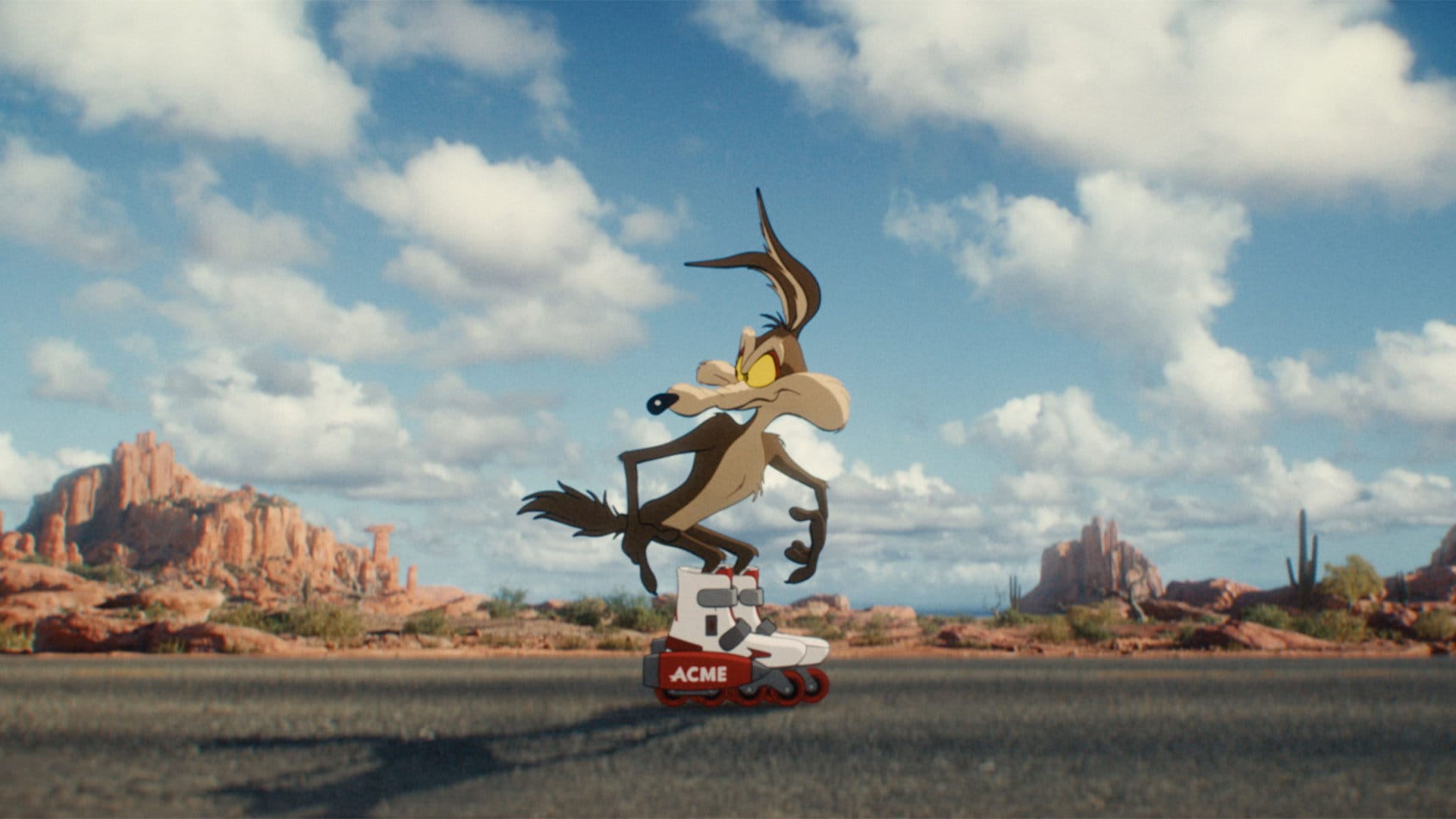
When Coyote vs. Acme screened at San Diego Comic-Con, the first reactions were not politely supportive — they were emphatic. Critics and fans who saw the film described it as genuinely funny, emotionally grounded, and technically impressive in its blending of animation and live action. The character of Wile E. Coyote, rendered with the same doomed persistence that made him a Looney Tunes icon, apparently functions in the film as more than nostalgia bait. He functions as a protagonist with stakes.
That's a meaningful distinction. The film's central conceit — Wile E. sues Acme Corporation for product liability, with Cena playing his human attorney — is the kind of high-concept premise that lives or dies on execution. Early word suggests the execution landed. Which makes Warner Bros.' original decision not just financially cynical but creatively catastrophic: they nearly deleted a film that works.
The Deeper Indictment
What the Coyote vs. Acme saga exposes is not simply greed, though greed is present. It exposes the structural indifference of a certain kind of conglomerate ownership toward the thing it nominally produces. When a media company decides that a film is worth more as a tax instrument than as a theatrical release, it is making a statement — not about the film's quality, but about the film's status as an asset to be optimized rather than a work to be experienced.
This is the logical endpoint of the merger era. When WarnerMedia became Warner Bros. Discovery under David Zaslav, the language of the transition was explicitly financial. Content libraries became "assets." Releases became "strategies." And completed films, it turned out, could become deductions. The creative workforce — directors, writers, animators, actors — watched their labor reclassified as a liability on someone else's spreadsheet.
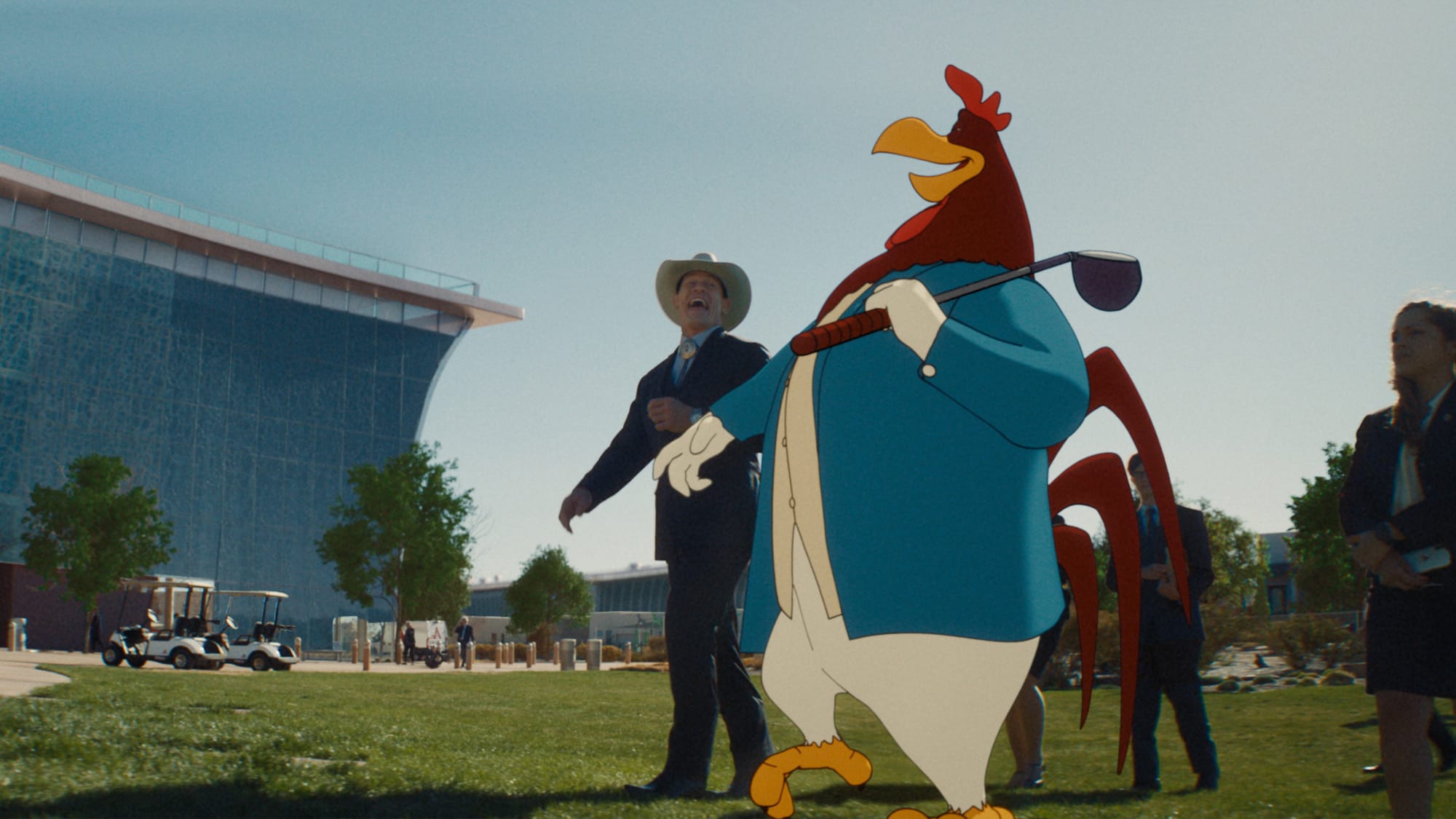
Ketchup Entertainment, the independent distributor that acquired the film and is bringing it to theaters on August 28, is a small company by Hollywood standards. The fact that a mid-sized independent had to rescue a $70 million studio picture from oblivion is not a heartwarming underdog story. It is a structural failure dressed up as one.
What Comes Next
The theatrical run of Coyote vs. Acme will be closely watched — not just as a box office story, but as a test case. If the film performs, it will vindicate every filmmaker who argued that shelving completed work is not a business decision but a betrayal. If it underperforms, the studios will cite it as proof that the write-off was rational. Either outcome will be used to justify future behavior.
But the Comic-Con screening already landed its punch. A room full of people who knew exactly what had been attempted — the erasure of a film they were now watching, alive and funny and whole — responded with enthusiasm. Wile E. Coyote has spent decades being blown up, flattened, and dropped off cliffs, always returning for the next episode. The film named after him nearly didn't get that chance. The fact that it did is worth more than a write-off. Whether Hollywood learns anything from it is another matter entirely.