The argument was always going to happen. It happens every time a canonical text — one that has survived millennia precisely because it belongs to everyone — is handed to a filmmaker with a singular, proprietary vision. But with The Odyssey (2025), Christopher Nolan has pushed that argument past its usual boundaries, past the comment sections and film Twitter threads, and into a more uncomfortable question: when we demand fidelity to a 2,700-year-old poem, what exactly are we asking to be preserved?
Six weeks into its theatrical run, The Odyssey sits at a peculiar cultural crossroads. Commercially, it is performing as Nolan films do — with gravity and momentum. Critically, it has split along a fault line that is less about quality than about ideology. The film's detractors are not primarily arguing that it fails as cinema. They are arguing that it fails as Homer. That distinction is more revealing than any individual review.
What Fidelity Actually Means
Adaptation fidelity is a seductive but philosophically hollow standard. Homer's Odyssey was not a fixed text delivered whole — it was an oral tradition, performed differently by different singers for different audiences across centuries, before anyone thought to write it down. The "original" that purists invoke is already a composite, already an interpretation, already shaped by the biases of the scholars who first transcribed and then translated it. Demanding that Nolan be faithful to Homer is, in part, demanding fidelity to a ghost.
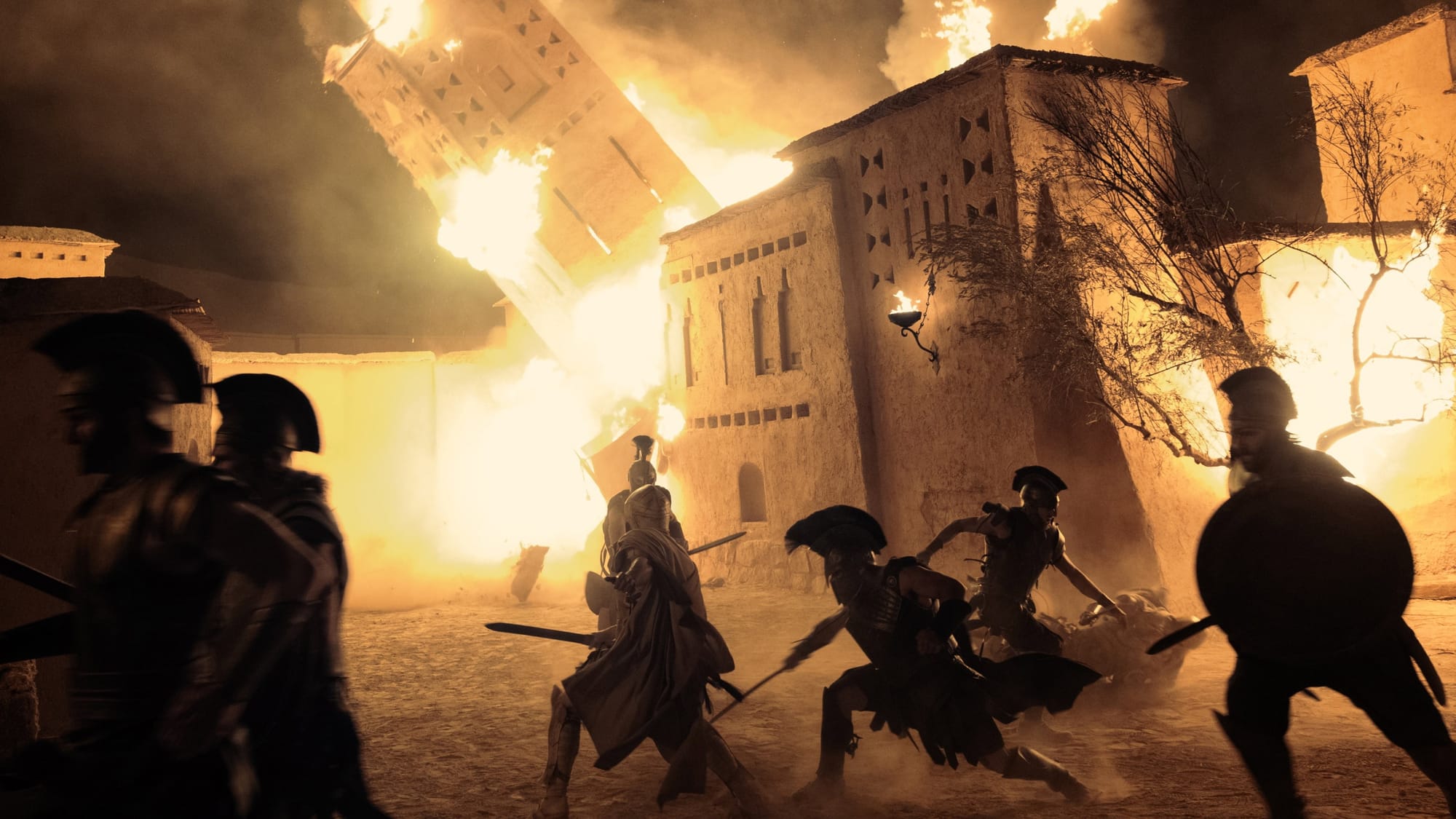
What critics who invoke fidelity usually mean is something narrower: they want the emotional architecture of the story they know — Odysseus's cunning, Penelope's endurance, the wine-dark sea, the cyclops, the sirens — rendered in ways that confirm their existing relationship to the material. That is a legitimate desire. It is not, however, a critical standard.
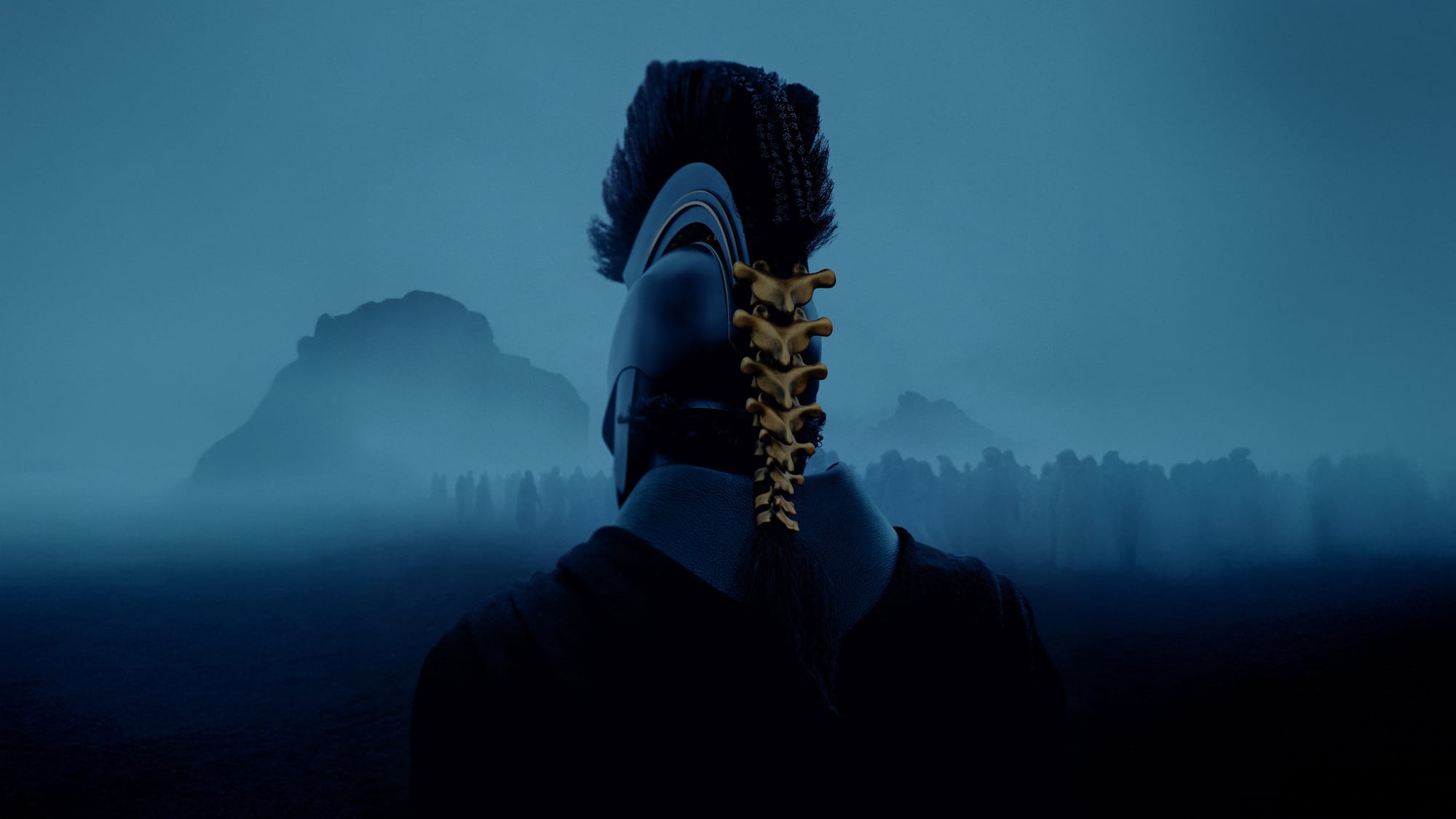
Nolan's version makes no pretense of archaeological reconstruction. His Odysseus — rendered with unsettling interiority — is less a hero of cunning than a man whose intelligence has curdled into something compulsive and self-defeating. The non-linear structure, Nolan's most persistent formal signature, fractures the epic's nostos — its homecoming drive — into something that feels more like trauma than triumph. Ithaca, in this telling, is not a destination. It is a wound.
The Auteur as Translator
The more instructive comparison is not to previous Odyssey adaptations but to what happens when any auteur engages canonical material. Francis Ford Coppola did not deliver a faithful rendering of Mario Puzo's novel with The Godfather (1972); he delivered a meditation on American mythology that happened to use Puzo's architecture. Stanley Kubrick's 2001: A Space Odyssey (1968) — itself an Odyssey in both title and structural DNA — discarded almost every conventional expectation of narrative satisfaction and produced something that now is the canonical reference point for its genre. Fidelity would have destroyed both films.
Nolan's body of work has always been preoccupied with fractured memory, the unreliability of linear time, and the catastrophic cost of obsession. Dropping him into Homer is not a category error — it is an almost algorithmically precise match of director to material. Odysseus is, among other things, a man who cannot stop re-narrating his own story, who arrives home already a ghost of the version of himself that left. Nolan has been making films about exactly that psychological condition since Memento (2000).
The Fault Line Is Not About Homer
The controversy, then, is not really about adaptation fidelity. It is about ownership — the feeling that a story belonging to the cultural commons has been privatized by an auteur's vision. That feeling is understandable. It is also, ultimately, a category error. Cinema has never been a fidelity medium. It is a transformation medium. Every successful adaptation — every one that endures — has understood that translation between art forms requires betrayal of the literal in service of the essential.
The question worth asking about The Odyssey is not whether Nolan was faithful to Homer. It is whether he was faithful to what Homer understood: that the journey home is the most dangerous journey of all, that the men who survive wars are not necessarily the men who return from them, and that the sea — indifferent, vast, and beautiful — does not care about your story at all.
On those terms, Nolan has made his argument. The summer's most revealing cultural fault line is not between the faithful and the faithless. It is between audiences who want cinema to confirm what they already know and audiences willing to be genuinely displaced by it.
 Official trailer