WIT Studio posted a single image. No title card, no release date, no cast list. Just a stylized "special dinner visual" and a timestamp: August 20, 2026. The implication was immediate, and the internet did what it always does — filled the silence with certainty. Attack on Titan (2013) is coming back. Or rather, it never fully left.
 Official trailer
As Kynari noted when that first cryptic image dropped, the announcement-of-an-announcement format is a studied provocation. Studios know exactly what a cryptic visual tied to a legacy IP communicates. WIT Studio — the house that built the original Attack on Titan through three brutal, formally ambitious seasons before MAPPA inherited the franchise for its final arc — isn't dropping breadcrumbs by accident. The 48-hour window before the reveal isn't suspense management. It's audience priming. By the time the actual announcement lands, the fandom will have already consumed itself speculating, and whatever is revealed will arrive inside a pre-built emotional storm.
That's the machinery. The more interesting question is what it's being used to sell.
A Franchise That Already Said Goodbye
Attack on Titan: The Final Season concluded its animated run in 2023 with Attack on Titan: The Final Chapters, a two-part special that closed Hajime Isayama's decade-spanning narrative with the kind of divisive finality that only deeply invested stories can produce. Whether audiences made peace with that ending or not, the story ended. The titans fell. Eren Yeager's arc reached its terminus. The series earned its silence.
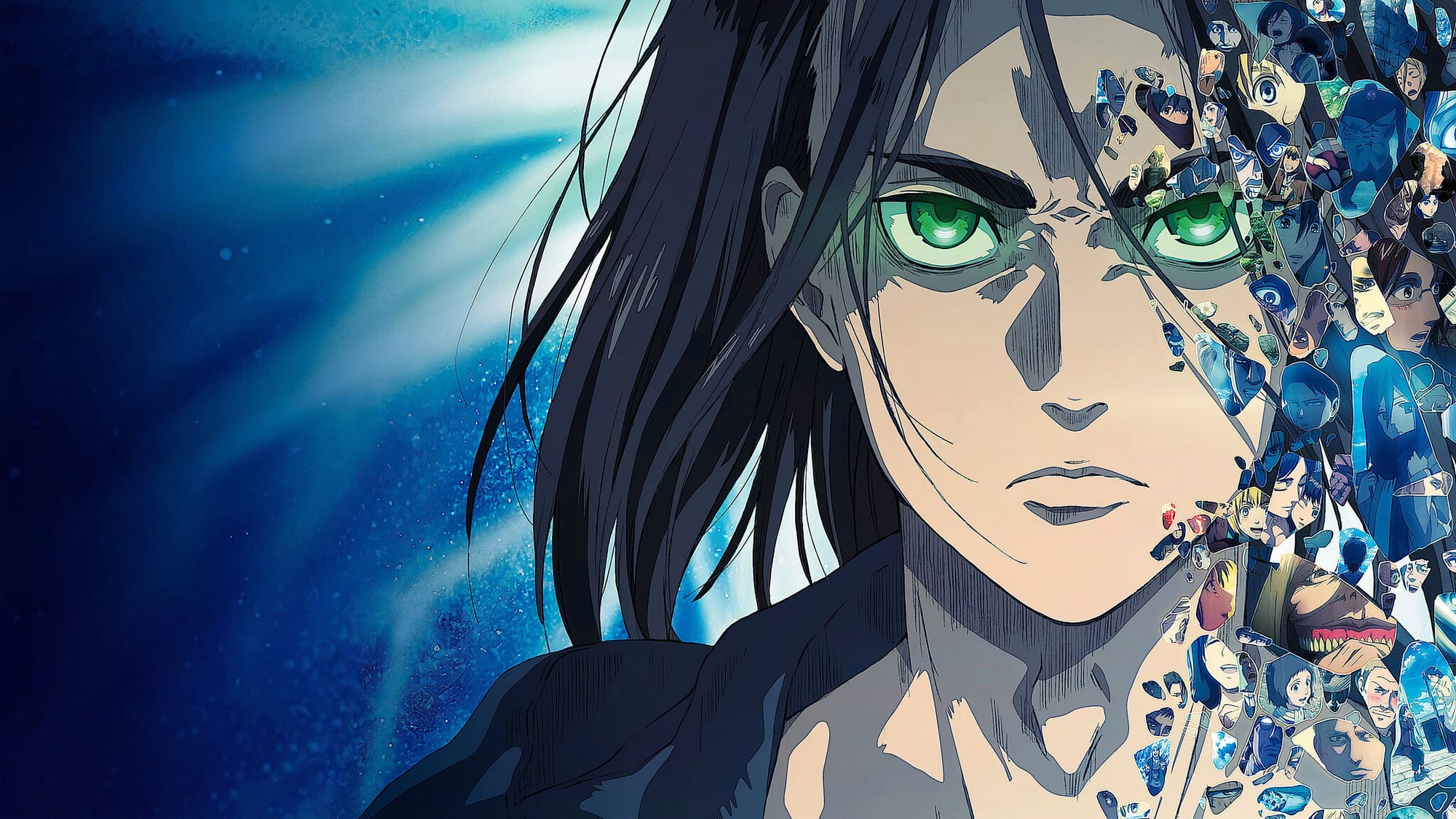
WIT Studio wasn't the studio that delivered that ending — MAPPA was. Which makes WIT's re-entry into the franchise a structural curiosity as much as a creative one. Are they revisiting the period of the story they built? A prequel? An alternate retelling? A spin-off from the expanding Attack on Titan extended universe, which has continued through manga side-stories and supplemental material? The "dinner visual" — almost certainly a reference to the iconic basement dinner scene that carries enormous symbolic weight in the original narrative — is a deliberate callback to WIT's era of the franchise, not MAPPA's.
That specificity matters. It's not just nostalgia as aesthetic. It's nostalgia as argument: we made the version you loved first.
The Problem With Reopening Finished Stories
There's a structural tension at the heart of franchise revival culture that Attack on Titan now embodies as clearly as any IP in contemporary anime. The series built its power on irreversibility. Characters died without resurrection clauses. Choices had permanent weight. The brutality of Isayama's world worked precisely because the story treated its own stakes as real. Every return engagement — every "final season" extension, every special chapter, every teased revival — retroactively softens that contract with the audience.
This isn't unique to anime. The Lord of the Rings (2001) universe has been continuously mined. Star Wars resurrected characters whose deaths were load-bearing narrative events. The economic logic is identical across every medium: existing IP carries pre-sold emotional equity that new IP must earn from scratch. The calculus is rational. The creative cost is real but deferred, paid slowly in the currency of diminished stakes.
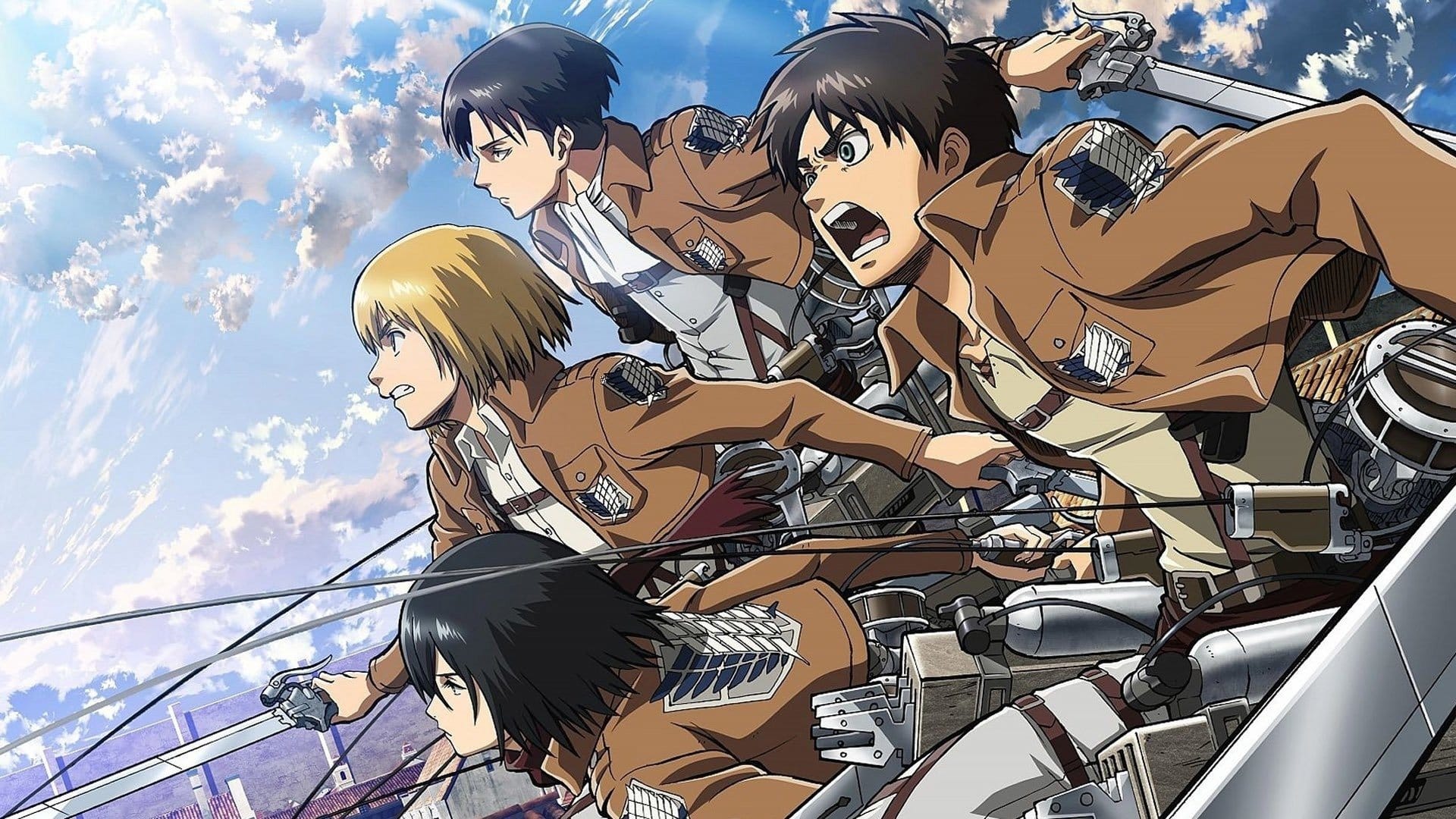
WIT Studio returning to Attack on Titan — whatever form that takes on August 20 — participates in this same logic. The announcement will likely be celebrated. The project, whatever it is, will likely be consumed hungrily. And neither of those facts means the franchise's ending will mean what it once did.
What WIT's Return Actually Signals
The more precise read of this moment isn't about one announcement. It's about what WIT Studio needs Attack on Titan to be for them in 2026. The studio has built a strong post-AoT identity — Vinland Saga (2019), The Duke of Death and His Maid (2021), consistent quality across a leaner slate. But no title in their catalog carries the global cultural mass that Attack on Titan does. Returning to that IP isn't just creative — it's a statement of ambition, a bid for the kind of international attention that only legacy properties reliably generate.
That's not cynicism. Studios are commercial entities. But it's the context in which any creative merit of this project will have to prove itself.
August 20 will deliver an answer to the what. The more durable question — whether some doors should stay closed once a story has earned the right to end — will linger considerably longer.