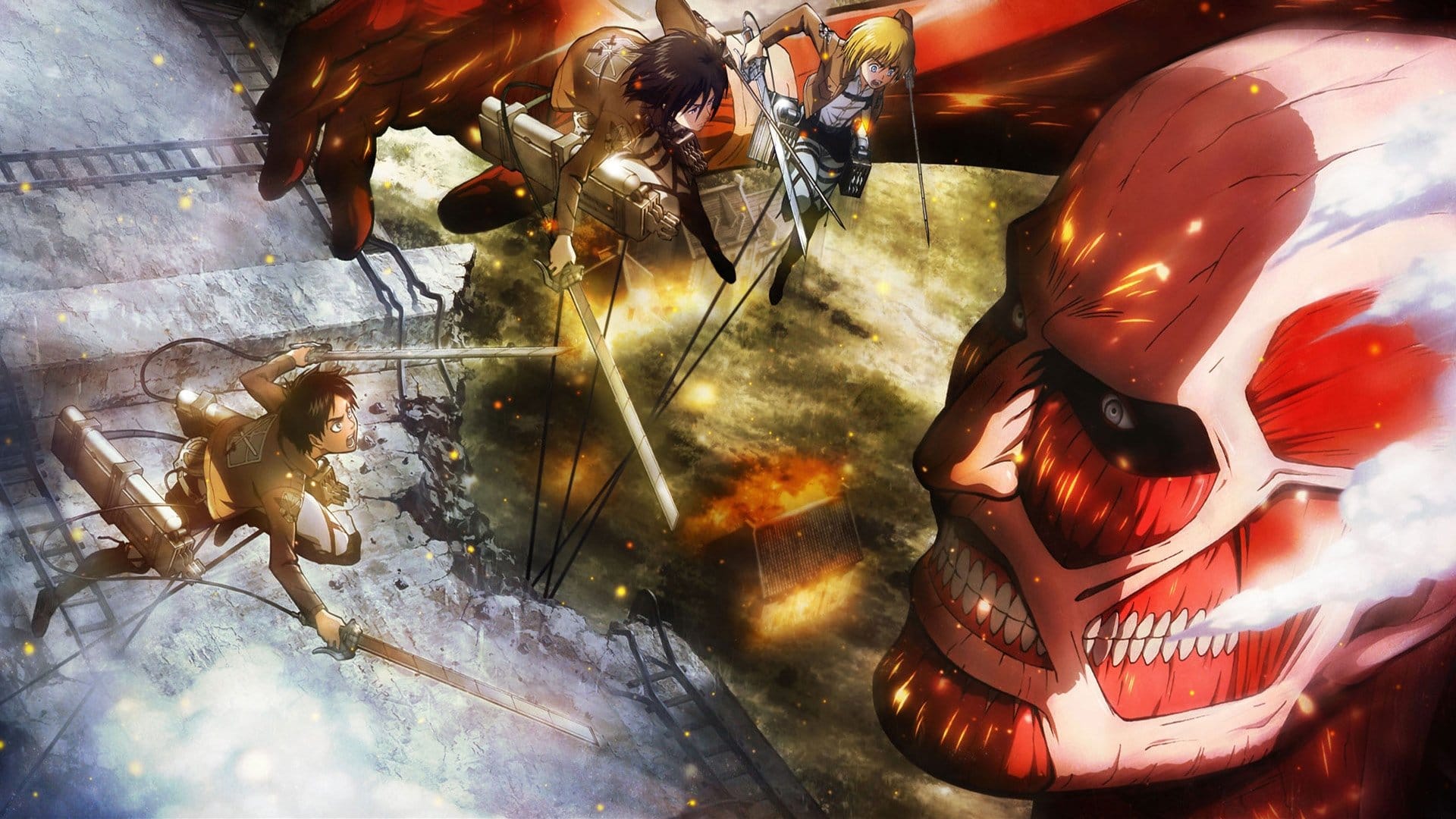
One image. No dialogue. No title card. A date. That is the entirety of what WIT Studio released, and within hours, Attack on Titan (2013) was trending across every major platform as though the finale had never aired, as though the discourse had never curdled, as though the fandom had not spent the better part of two years metabolizing exhaustion and betrayal in equal measure. The speed of that resurrection is the story — not the teaser itself.
The Mechanics of Cryptic Capital
WIT Studio understands something fundamental about the franchise it once helmed: Attack on Titan is no longer primarily a narrative property. It is a sensory one. The original studio's visual language — oxidized skies, crumbling stone, bodies in violent suspension — carries enough encoded emotional memory that a single frame referencing that grammar can bypass critical thinking entirely and land directly in the limbic system. The teaser does not ask you to remember the plot. It asks you to remember the feeling. Those are radically different requests, and only the second one is guaranteed to work at scale.
This is IP nostalgia operating at its most refined. The franchise has been reset not by retconning its ending or announcing a remake, but by doing something far more efficient: withholding information. Ambiguity is the premium product. Every theory, every Reddit thread, every YouTube breakdown generated in the wake of that single visual is unpaid marketing labor performed willingly by a fanbase that has, structurally, no other option — because engagement is the only language the algorithm rewards, and WIT Studio has handed the audience just enough kindling to keep themselves warm indefinitely.
WIT's Return Is the Real Announcement
The date — August 20, 2026 — matters less than the logo attached to it. WIT Studio did not produce the final arc of Attack on Titan. That responsibility passed to MAPPA, whose adaptation, despite being technically accomplished, carried none of the original's textural rawness. The seams of the transition were always visible: different color philosophy, different weight to the violence, a different relationship between silence and dread. For a significant portion of the fanbase, the story ended at Shiganshina and everything after was received as a kind of high-budget epilogue.
WIT's involvement — if that is indeed what August 20 confirms — reconfigures the cultural timeline. It signals a return not just to a franchise but to a version of it. The studio is not merely a production house here; it is a restoration argument. Their name on a teaser implicitly promises a specific aesthetic covenant that MAPPA, through no particular fault, was never positioned to fulfill. This is branding as ideology.
The Exhaustion That Doesn't Stick
What the teaser exposes most clearly is the fundamental fragility of fandom fatigue. Attack on Titan generated some of the most sustained critical and emotional burnout in recent anime memory — the ending debate alone metastasized into a culture war with genuine staying power. And yet, weeks after a single cryptic visual, that exhaustion has been efficiently suspended. Not resolved. Not addressed. Simply paused by novelty.
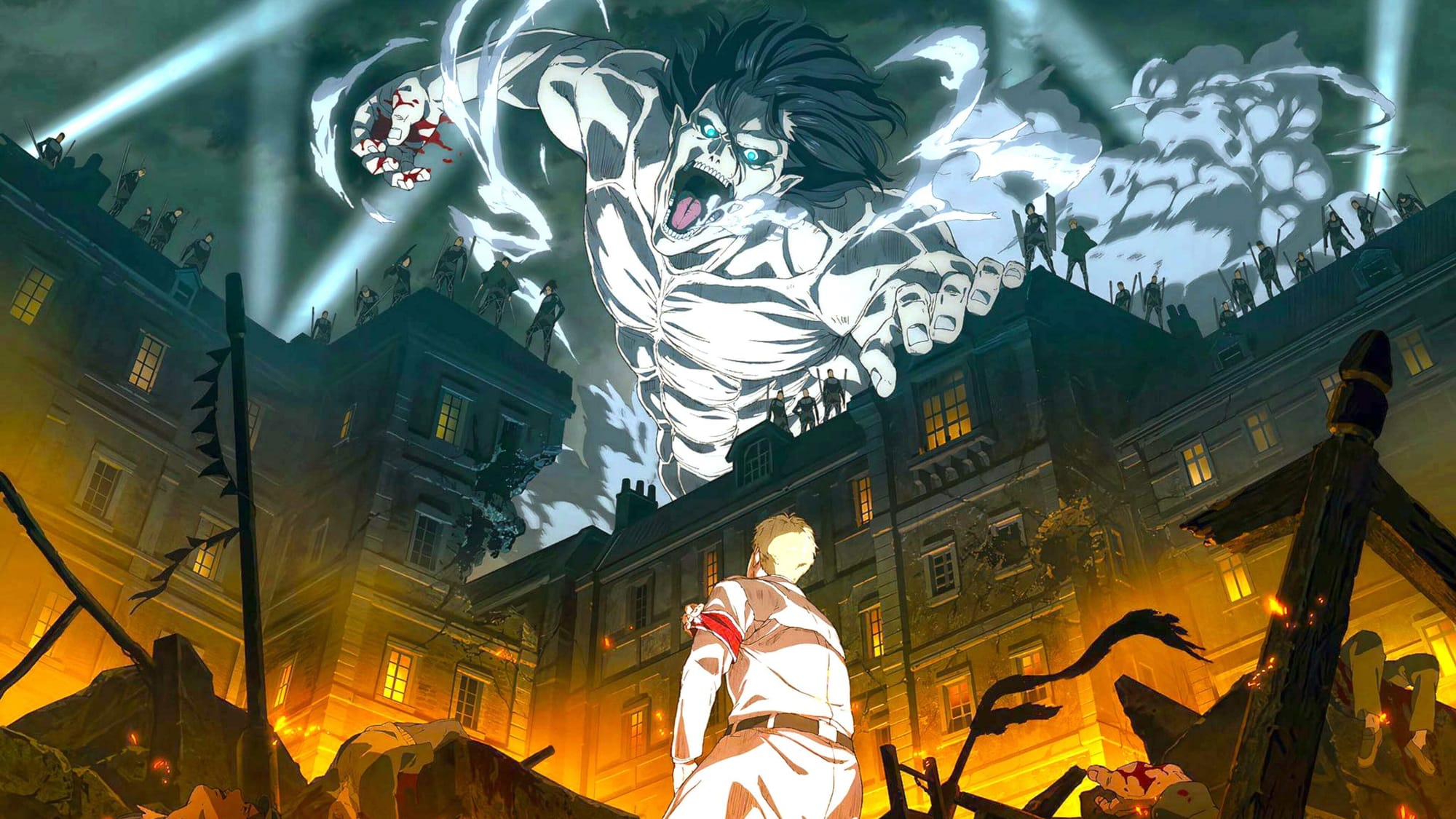
This is the perpetual reset button that major IP franchises have quietly perfected. Fatigue is not an endpoint; it is a phase state. Given the right stimulus — a returning studio, a charged date, an unresolved image — it converts back into anticipation with minimal friction. The franchise never had to earn re-entry. It only had to appear.
What Gets Asked of the Audience
None of this is cynical in a simple sense. The emotional architecture that Attack on Titan built across its run — the claustrophobia, the moral collapse, the way it weaponized hope — was genuinely formidable. That it can be reactivated by a thumbnail is a testament to how deeply the work was encoded in its audience. But it also means the audience is being asked to extend trust before any terms have been offered. The teaser communicates prestige and history without committing to anything. That asymmetry is worth naming.
August 20, 2026, will either justify the signal or confirm that the reset button has limits after all — Kynari followed up once the studio confirmed what the teaser was building toward. Until then, WIT Studio has achieved something quietly remarkable: they have made a franchise that already concluded feel, again, like it has something left to say. Whether it actually does is a question the teaser is specifically designed not to answer.