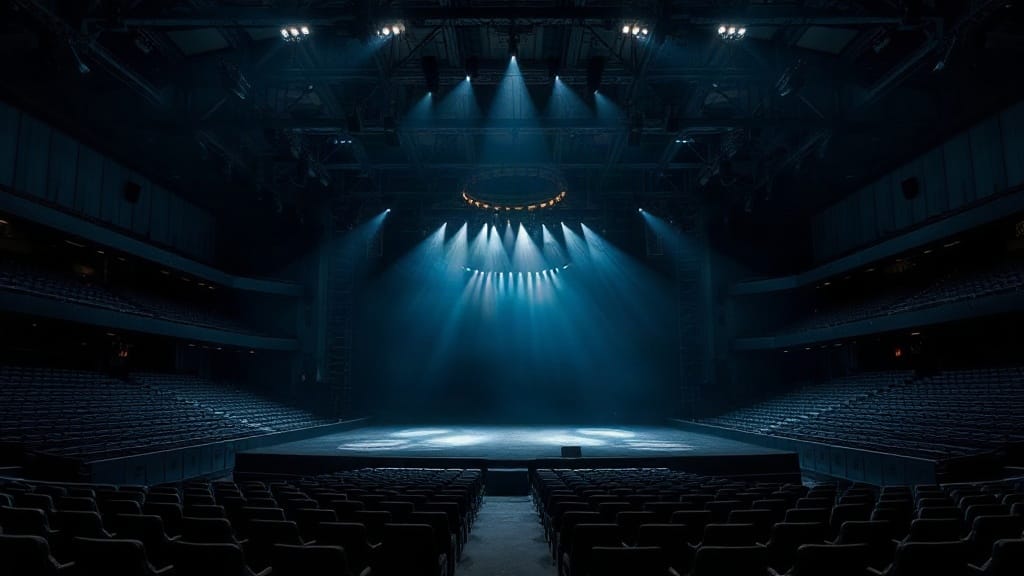
The Peacock Theater seats roughly 20,000 people. It has hosted the Grammys, the ESPYs, and Beyoncé. In 2025, it will also host Uma Musume: Pretty Derby (2018) — a Japanese anime franchise built around anthropomorphized racehorses who are also idol singers — as part of its 7th EVENT WORLD TOUR. If that sentence requires you to pause, good. That pause is the entire argument.
Cygames and Lantis did not book a convention ballroom. They did not schedule a fan screening with a Q&A panel. They secured a flagship arena in the second-largest media market in the United States and placed it on a global tour itinerary that already includes multiple major venues across Japan, Southeast Asia, and Europe. The logistical ambition alone demands serious analysis, because it marks a structural shift in how anime intellectual properties are being monetized, exported, and — crucially — experienced.
The Live-Concert Anime Model Is Not New. The Scale Is.
Japanese idol-adjacent franchises have used live concerts as a revenue pillar for over a decade. Love Live! (2013) pioneered the arena-scale 2.5D concert format, blending CG animation with live voice-actress performance to create something that is neither a concert nor a screening but functions as both. BanG Dream! (2017) and Idolish7 (2017) refined the model further, building dedicated fanbases that treat theatrical attendance as the primary consumption event — not a supplement to watching the anime, but often the reason to engage with it at all.
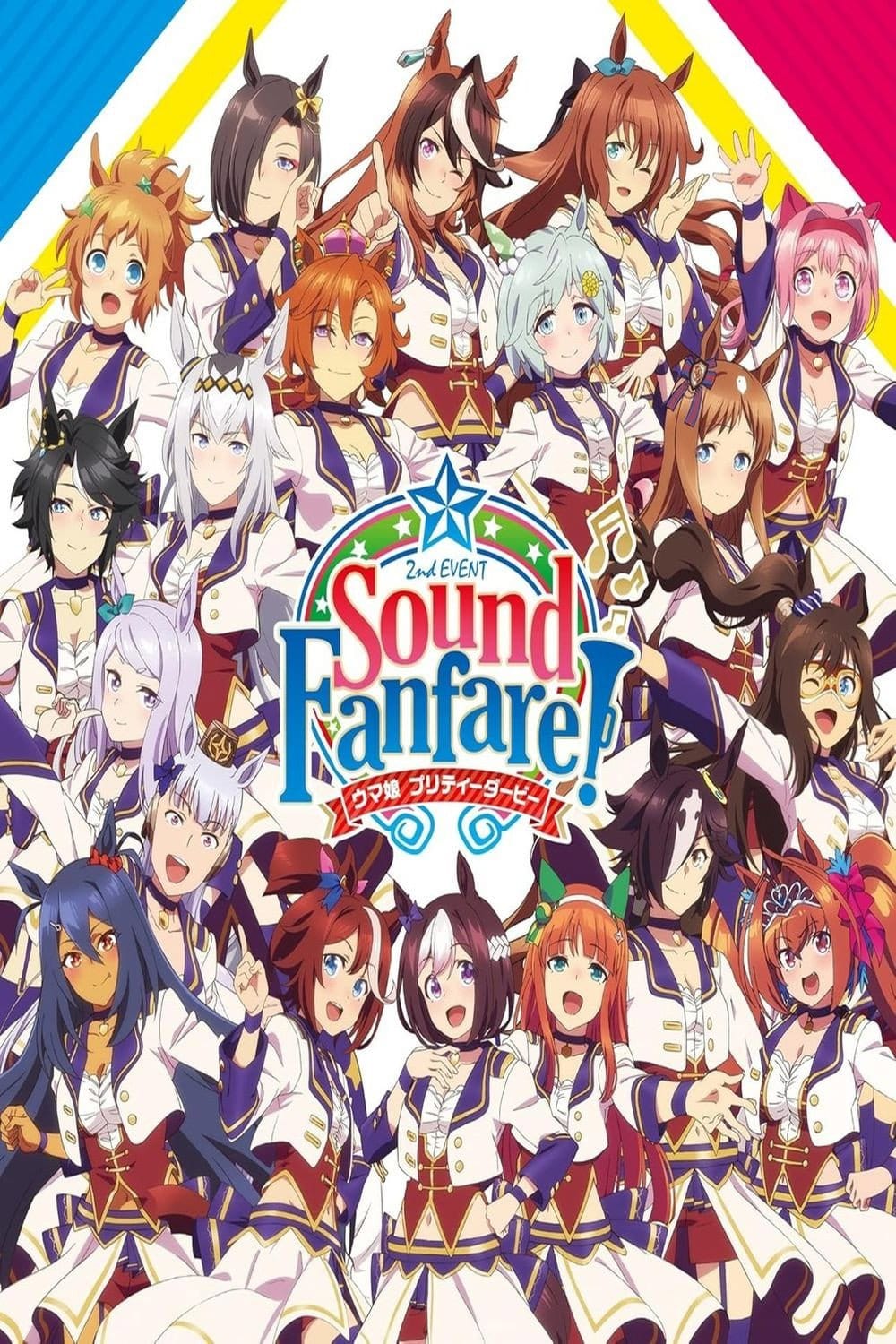
Uma Musume inherited this infrastructure and then scaled it aggressively. Its mobile game, one of the highest-grossing in Japan since its 2021 launch, functions less as a game and more as an emotional onboarding system — training players to form parasocial bonds with specific horse-girl characters before the concerts give those bonds a physical arena to discharge in. The tour is the product. Everything else is the funnel.
Why Los Angeles Is a Signal, Not a Coincidence
Los Angeles is not chosen for sentimental reasons. It is chosen because it sits at the intersection of the largest Japanese diaspora community in the continental United States, a dense concentration of anime-fluent general consumers built by two decades of Crunchyroll and Netflix penetration, and a live-entertainment venue ecosystem mature enough to support full production riders — lighting rigs, pyrotechnics, synchronized LED arrays, and the projection infrastructure that makes 2.5D concerts technically coherent at arena scale.
Booking the Peacock Theater signals that Cygames believes its Western audience has crossed a threshold. Not a threshold of size — though size matters — but a threshold of behavior. Concertgoing behavior. The willingness to purchase tiered tickets, merchandise bundles, and premium seating for a live event built around animated characters voiced by Japanese performers, conducted in a language most attendees do not speak natively. That behavioral shift is what separates a fandom curiosity from a market.
Anime as Live Spectacle: The Deeper Restructuring
What the 7th EVENT WORLD TOUR makes legible is a restructuring of anime's economic grammar. The traditional export model moved content — broadcast rights, home video, streaming licenses — and hoped merchandise would follow. The live-spectacle model inverts this. The event is the anchor. Streaming, physical media, and game downloads become the materials audiences consume to prepare for attendance, to extend the emotional half-life of the concert afterward, and to onboard new fans who encounter the IP through a friend's tour photograph rather than an algorithm's recommendation.
This is not unique to anime. K-pop industrialized the same logic. But anime has a structural advantage K-pop does not: its characters are immortal, visually consistent, and infinitely reproducible without scheduling conflicts, contract disputes, or the physical limitations of human performers. A horse-girl who debuted in 2018 looks identical in 2035. She does not age out of the idol bracket. The IP does not fracture when a voice actress goes solo. The franchise controls its own mythology in a way that human-centered idol culture never fully can.
What Comes After the Tour
Uma Musume: Pretty Derby booking Western arenas does not guarantee that every anime franchise can replicate the model. The specific alchemy — a mobile game with compulsive retention mechanics, a voice cast with genuine musical credibility, a character roster large enough to sustain multiple touring configurations, and years of domestic live-event infrastructure to draw from — is difficult to manufacture. Most franchises will not clear every bar.
But the template is now visible and the proof-of-concept is being stress-tested in real time at real venues. The industry will take notes. When the lights go down at the Peacock Theater and twenty thousand people scream for animated racehorses, the sound that travels farthest is not the music. It is the signal to every producer, licensor, and venue operator paying attention: anime has learned to build rooms, and it is only just beginning to fill them.