The setup is almost insultingly simple: a single chair, center frame. Harsh overhead lighting, or none at all. A person looks directly into the lens and speaks without a script. No lower-thirds, no B-roll, no licensed background music easing the viewer into comfort. The format has been named, with reasonable accuracy, the "Netflix documentary chair" — a reference to the confessional talking-head grammar that true-crime and prestige non-fiction series normalized over the last ten years. It is now everywhere on short-form video. And its dominance is not accidental.
The production-value arms race began in earnest around 2015. YouTube creators were told, then convinced, then financially compelled to invest in cinema-grade cameras, professional lighting rigs, motion graphics packages, and sound design. The logic was competitive: if your thumbnail looked cheaper than the next creator's, the algorithm would bury you. Platforms rewarded polish. Brands demanded it as a condition of sponsorship. The aesthetics of legitimacy — shallow depth of field, color-graded skin tones, punchy editing rhythms borrowed from television advertising — became the baseline entry fee for being taken seriously.
What that decade-long arms race quietly destroyed was the sense that anyone was actually speaking to you. The more a frame was composed, the more a sentence was scripted, the more a cut was timed to a sound effect, the further the content drifted from anything resembling a human exchange. Viewers understood this not as a critique but as a feeling — a low-grade dissatisfaction they couldn't name but acted on by scrolling past.
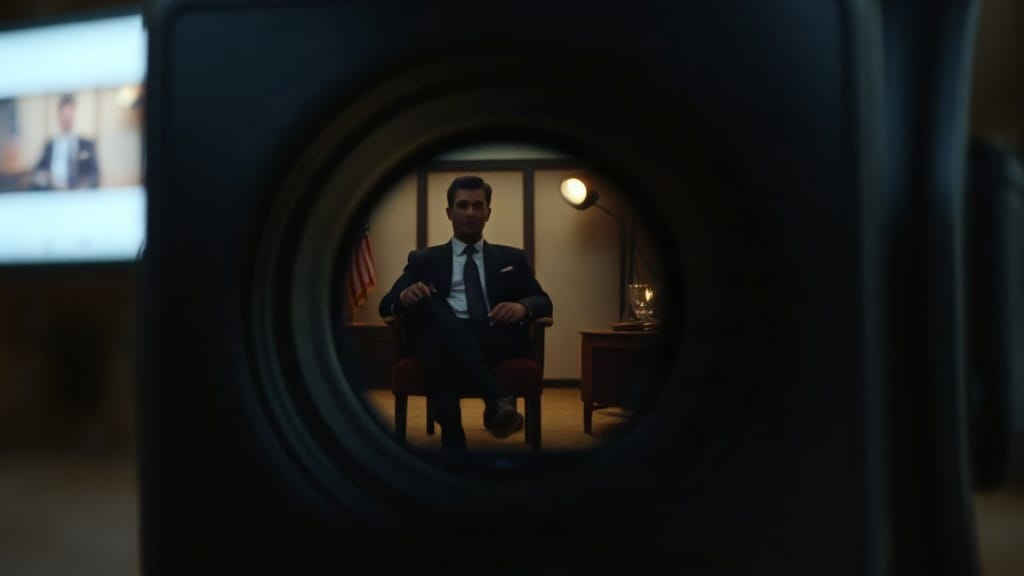
The chair format short-circuits that dissatisfaction by removing every production layer that signals mediation. A single static shot cannot be accused of trying to impress you. No cut means no manipulation of time. No music means no emotional instruction. What remains is the one variable that expensive production had been steadily burying: whether the person in the frame actually has something to say. The format is, structurally, a lie detector. It cannot be gamed by aesthetics alone.
This is why it has migrated far beyond the influencers and comedians who popularized it. Journalists use it. Executives use it. Politicians have begun to use it, with varying degrees of self-awareness about how the format punishes rehearsed cadence. The chair confessional has become the default grammar of credibility — which is a remarkable inversion for a medium that spent years equating credibility with production spend.
There is an important distinction to make here. The format's appeal is not anti-aesthetic. A well-composed single shot is still a composition. The decision to use natural light is still a lighting decision. The choice to leave in a pause, a stumble, a half-corrected sentence is an editorial choice as deliberate as any cut. What the format refuses is the signaling function of production value — the use of technical sophistication as a proxy for authority or effort. It demands that authority come from somewhere else.
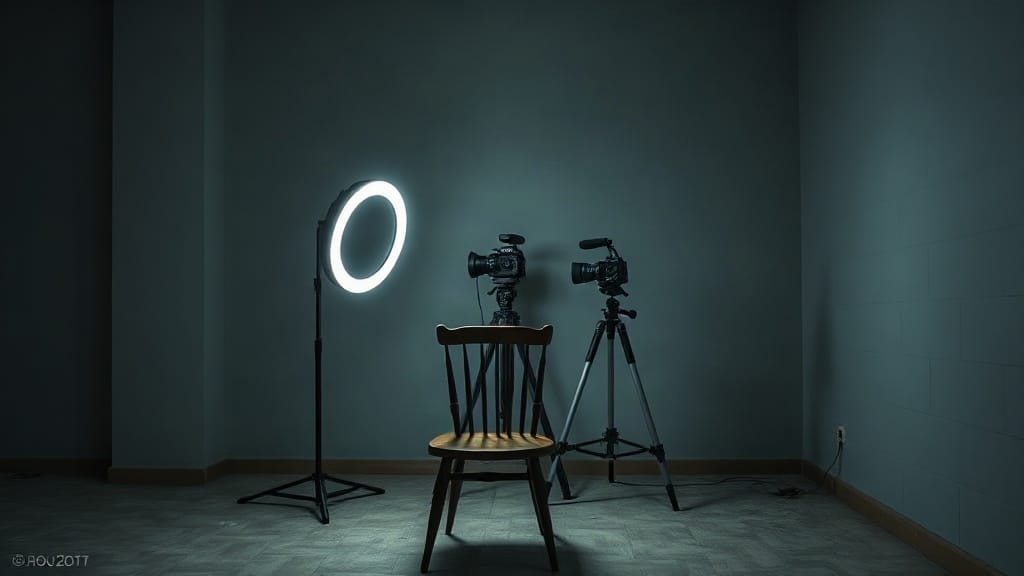
That somewhere else is, unavoidably, content. Substance. The quality of the thinking and the willingness to deliver it without insulation. This is what makes the format a structural indictment rather than a passing aesthetic preference. It does not simply offer an alternative to polished content — it exposes what polished content had been compensating for. A perfectly color-graded video about nothing is still about nothing. The chair removes the color grade and leaves the question standing in the room.
The production-value arms race was never really about quality. It was about the industrialization of attention — the belief that if you could manufacture the surface signals of legitimacy convincingly enough, audiences would supply the substance themselves through the act of watching. For a while, they did. Then they stopped. The chair is what came after: a format built on the premise that audiences are not fooled by surfaces anymore, and that the fastest way to earn three minutes of someone's attention is to stop pretending you need a lighting kit to deserve it.
That is not a trend. That is a structural shift in the implicit contract between creator and viewer. Production value will return — it always does, in new forms, for new purposes. But it will have to earn its place in the frame rather than occupy it by default. The chair changed what that negotiation looks like.