The question hanging over Lanterns (2025) was never really whether Hal Jordan and John Stewart would solve the murder. It was whether HBO could solve something far more stubborn: the structural problem of Green Lantern as a franchise. A theatrical attempt in 2011 failed so completely it became a punchline embedded in Ryan Reynolds' personal brand. A streaming reboot spent years in development purgatory. The characters never found their form. The Season 1 finale of Lanterns doesn't just close a mystery — it closes an argument. And it does so by demonstrating that the correct container for these characters was never a two-hour blockbuster. It was always a slow, procedural, morally pressurized season of television.
 Official trailer
The Structure Was Always the Statement
From its first episode, Lanterns made a deliberate choice to subordinate spectacle to atmosphere. The show borrowed not from the visual grammar of the MCU or even DC's own theatrical output, but from prestige crime television — the unhurried confidence of True Detective (2014), the moral interiority of The Americans (2013). Hal Jordan functions as the volatile veteran, John Stewart as the methodical, emotionally contained counterweight. The alien mythology is present, but it operates the way the supernatural does in the best prestige horror: as pressure applied to characters rather than distraction from them.
That structural bet pays off most visibly in the finale, which refuses the genre's usual obligation to escalate into pure kinetic release. There are no stadium-scale battles, no CGI armies, no final-act city destruction deployed as a surrogate for emotional resolution. What the finale offers instead is consequence — the accumulated weight of a season's worth of deception, institutional betrayal, and personal compromise arriving at a single, terrible clarity. It is, in the most precise sense, a mystery conclusion: the solution matters because of what it costs the people who found it.
What the Murder Actually Was
The dead body at the center of Lanterns Season 1 was always a pretext, and the show knew it. The real investigation was into the architecture of power — who controls what information, who is protected by which institution, and at what human price operational secrecy is maintained. The Green Lantern Corps, in this telling, is not a gleaming interstellar police force but a bureaucracy with the same pathologies as every other bureaucracy: hierarchy that protects itself, truth that gets classified, individuals who become collateral. That the murderer, when finally located, turns out to be embedded in precisely the system that Hal and John were serving is not a twist so much as a thesis statement, delivered at full volume in the finale's final act.
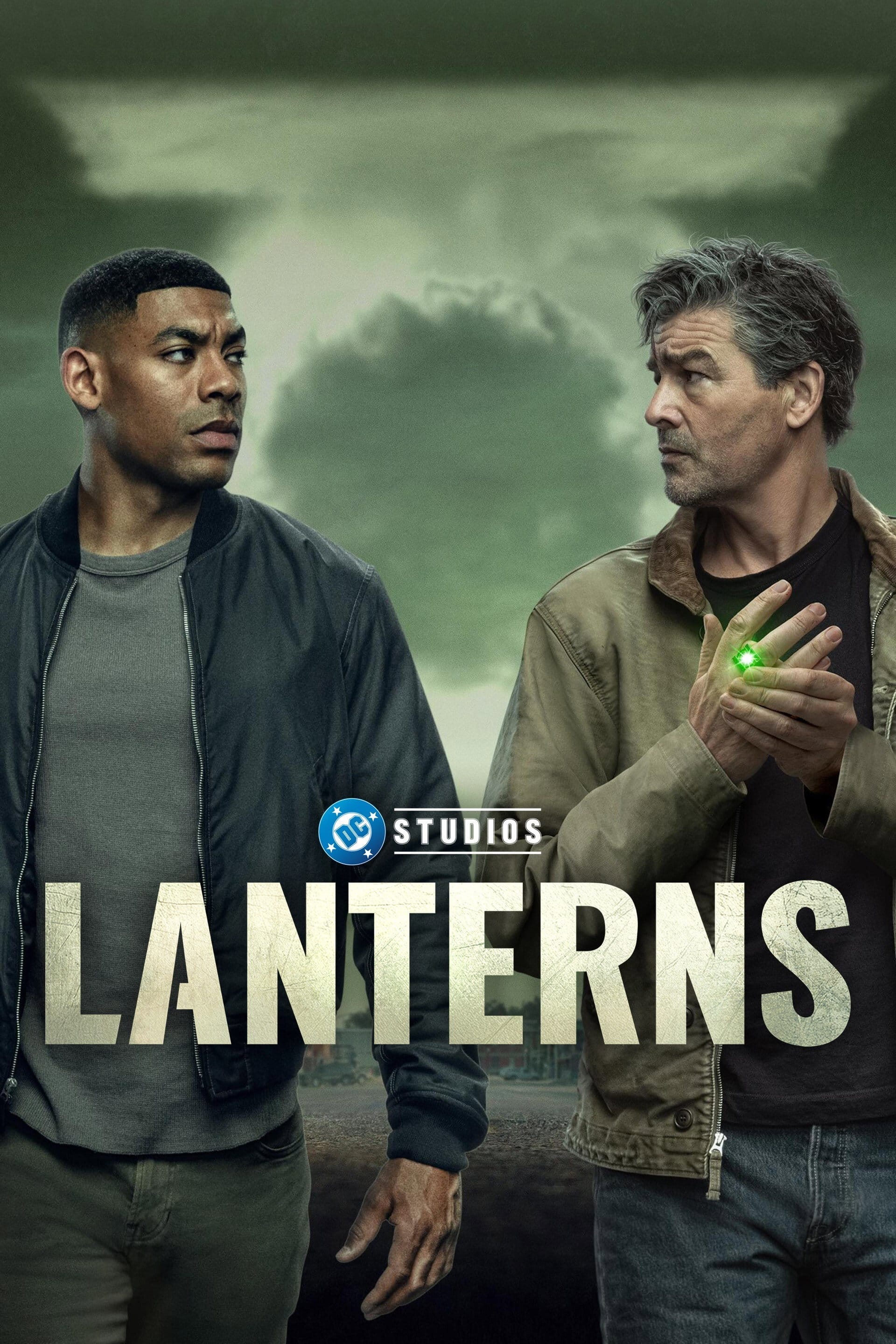
This is where the prestige TV structure earns its keep in ways that a film format structurally cannot. A two-hour theatrical Green Lantern cannot afford to spend forty minutes establishing that the Corps' leadership is compromised, because it has to spend that time on origin and spectacle and the compulsory third-act battle. A ten-episode season can spend three episodes doing nothing but eroding John Stewart's faith in the organization he chose over his marriage. By the time the finale reveals what was actually being covered up, the audience has accumulated enough emotional debt that the revelation lands as tragedy rather than plot mechanics.
Hal Jordan, Finally Legible
Ryan Reynolds' 2011 performance in Green Lantern (2011) was not the problem. The problem was that the film had no coherent idea of who Hal Jordan is when the ring isn't on his finger. Lanterns spends an entire season answering that question, and the answer is uncomfortable: he is a man who has outsourced his identity to the Corps so completely that any criticism of the institution reads to him as a personal attack. The finale forces him to sit with the possibility that loyalty, when misdirected, is indistinguishable from complicity.
That interiority — that specific, unglamorous psychological wound — is what prestige television is engineered to deliver. It requires runtime, repetition, and the willingness to let a character be wrong for long enough that the correction means something. The finale's most important scene contains no power ring whatsoever. It is two men in a room, one of them admitting that he knew more than he said, and the other deciding in real time what that admission costs their partnership. It is, structurally, the same scene that closes every great season of prestige crime drama. It works for the same reasons.
The DC Proof-of-Concept
James Gunn's reconstituted DC Universe has staked a significant portion of its credibility on the idea that different IP requires different formats. Lanterns is the most explicit test of that theory to date. The theatrical side of the new DC Universe is still in early construction — Superman (2025) bearing the weight of the entire relaunch. Lanterns, operating on HBO with the institutional backing of prestige television, had the freedom to fail quietly or succeed loudly. It has, on the evidence of this finale, succeeded loudly enough to matter.
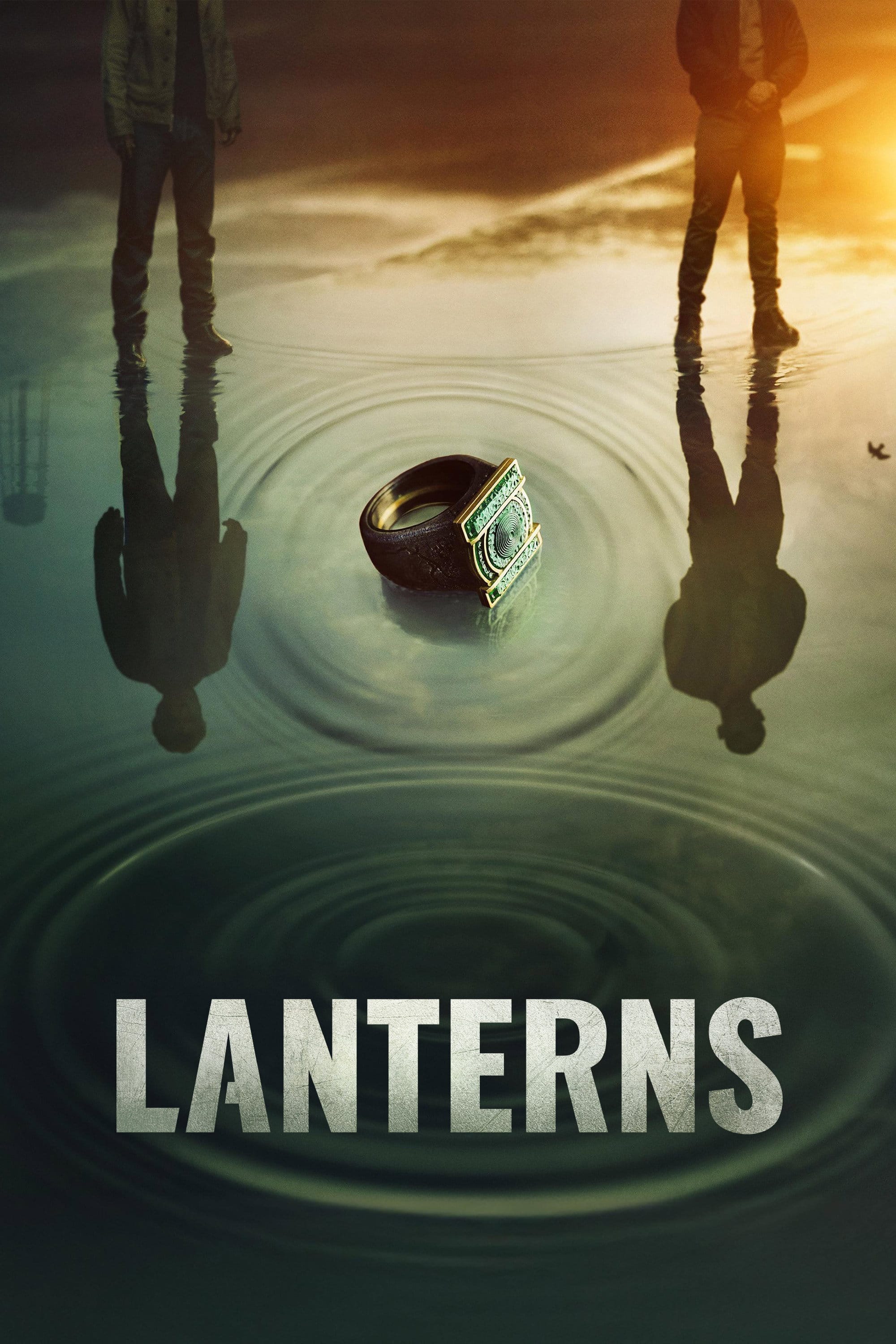
What it proves is narrow but important. It does not prove that every DC property can be transposed into a slow-burn procedural. It proves that these characters — defined by their relationship to authority, duty, and institutional faith — are precisely the characters for whom that transposition works. The Green Lantern mythology was always fundamentally about law enforcement in the deepest sense: the ethics of who gets to use force, under what mandate, and who holds the enforcers accountable. That is not a theme that resolves in a third-act battle. It is a theme that requires a season of television to breathe.
What a Solved Mystery Proves
In a genre that increasingly treats resolution as the enemy of franchise longevity — where nothing fully concludes, where every ending is a door left ajar — the Lanterns finale makes a different wager. It closes the mystery. The case is solved. The cost is tallied. The season ends in a state that feels, bracingly, like an ending.
This is not naivety. A second season is almost certainly in development, and the finale seeds it carefully. But the structural commitment to actual resolution — to the idea that a mystery that does not conclude is not a mystery but a tease — is its own argument about what HBO's DC output intends to be. Prestige television lives and dies on the credibility of its endings. True Detective Season 1 became a cultural landmark because it dared to resolve. Lanterns Season 1 has made the same bet.
Whether the resolution holds up to scrutiny over repeat viewings is a question for the months ahead. What the finale demonstrates, right now, is that the structural gamble was not misplaced. DC brought its most persistently unfilmable characters to the format best equipped to film them. The mystery is solved. More importantly, so is the format question. The Green Lantern problem — years of development dead ends, one catastrophic film, countless abandoned scripts — turns out to have been a container problem all along. Lanterns found the right one.