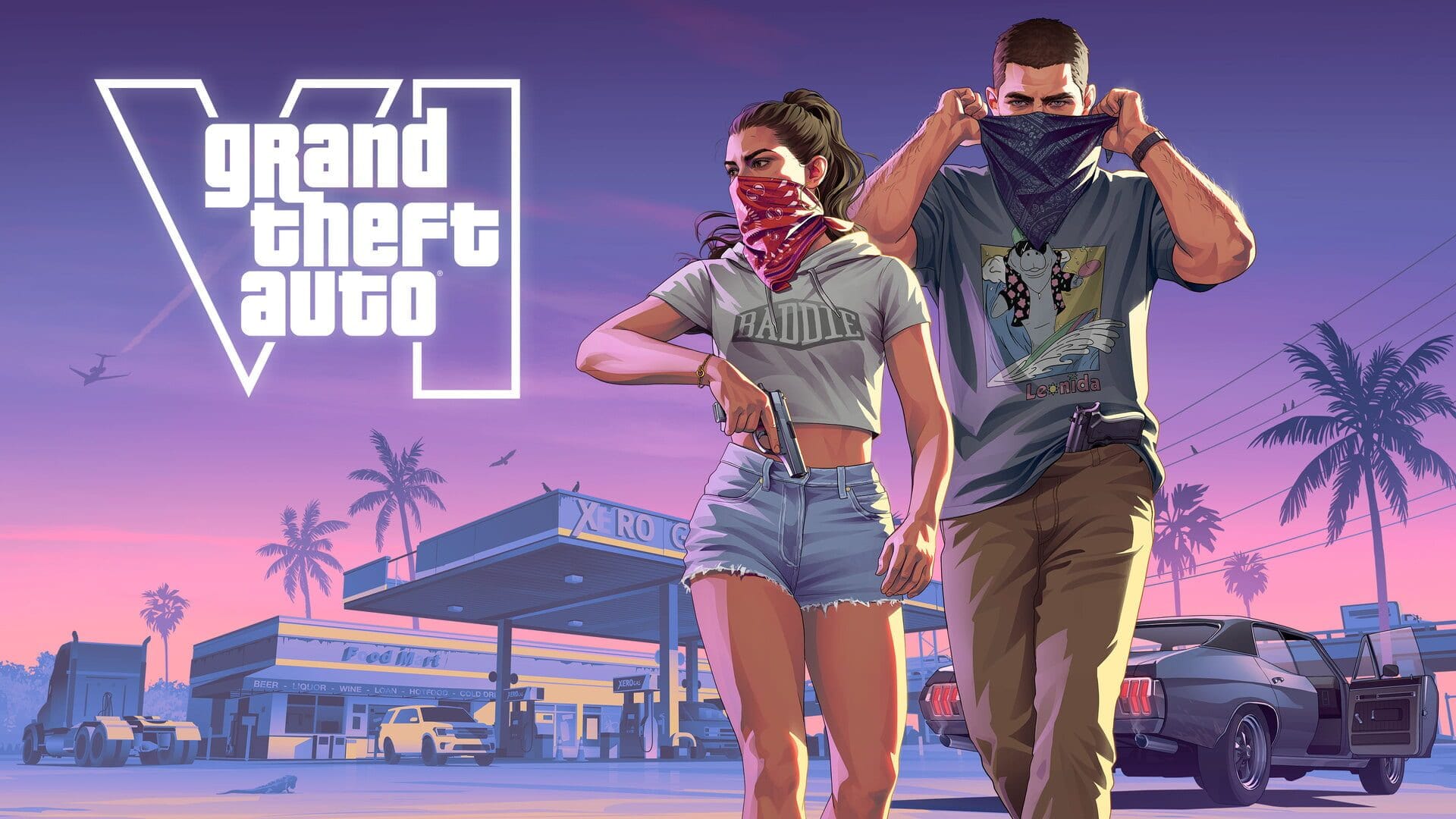
Grand Theft Auto VI (2026) hits PlayStation 5 and Xbox Series X|S on November 19, 2026 at $79.99 — and it will not be on Xbox Game Pass. It will not be on PlayStation Plus. There is no PC release date. There is no subscription workaround. What there is, stripped of all the hype arithmetic, is the most expensive single-unit purchase most console players will make this year, sold the old-fashioned way: full price, day one, take it or leave it.
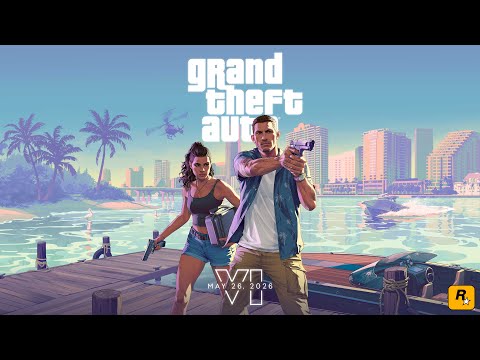 Official trailer
That posture is not incidental. It is the thesis.
Rockstar has never released a major title on Xbox Game Pass at launch, and GTA VI does not break that pattern. Take-Two CEO Strauss Zelnick has stated publicly, on multiple occasions, that putting frontline titles on subscription services on day one "doesn't make sense" — framing the model as one that converts paying buyers into subscribers and forfeits the long tail of full-price sales, DLC revenue, and brand longevity. That is not a philosophical objection. It is a revenue forecast dressed up as principle, and in the case of GTA VI, the numbers behind it are staggering enough to make the argument essentially unanswerable.
Grand Theft Auto V (2013) has now sold over 230 million copies since launch, making it the second best-selling video game in history, and the broader GTA franchise has generated well over $10 billion in total revenue across game sales and GTA Online microtransactions. In Take-Two's fiscal year 2025 alone, the GTA franchise generated $710 million in revenue — from a thirteen-year-old game. That is what a premium title with a living online component looks like when it is not corralled into a monthly subscription and forgotten. That is the template GTA VI is explicitly designed to repeat, at greater scale, in a market that has since learned to expect access rather than ownership.
Which is precisely what makes November 19 interesting as a cultural moment rather than just a release date.
The subscription model — Game Pass in particular — has reshaped player expectations at every tier of the market below the absolute summit. Mid-budget games, AA experiments, and even several genuine blockbusters have launched day-one on the service, trained a generation of players to wait rather than buy, and placed enormous pressure on publishers to either join the catalog or explain why they haven't. Microsoft has spent years and billions constructing a world in which the answer to "should I buy this?" is "you already have it." GTA VI is the first title since that world was built that is large enough to reply: no, actually, you don't.
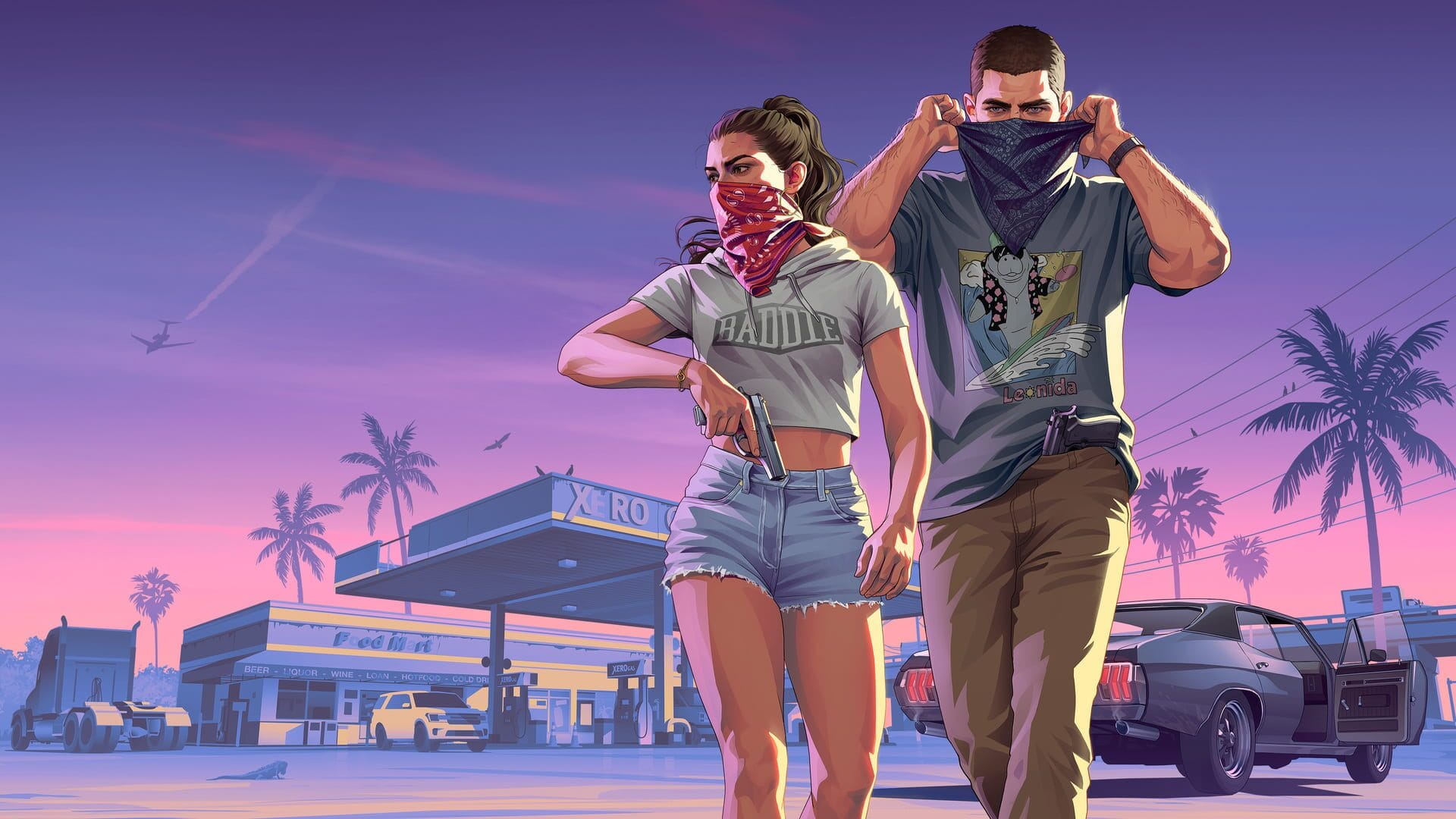
The console launch is confirmed as single-player only at release, with GTA Online's arrival undated. That sequencing matters. It means the $79.99 or $99.99 purchase price is being asked for a campaign experience — not for a live-service platform that might justify ongoing subscription access. Rockstar is betting that the demand for GTA VI's story alone, set in a neon-soaked return to Vice City in a state called Leonida, is sufficient to move tens of millions of full-price units before the online component even opens. The $100 Ultimate Edition is already reported to be dominating pre-orders over the $80 Standard, which suggests the bet is already paying off in pre-launch consumer behavior. Players are not waiting for a subscription discount. They are spending more than the base price to secure early access and cosmetic bonuses.
The PC situation adds a second layer to this analysis. A GamesBeat report citing four industry sources familiar with Rockstar's plans places a PC release in Q1 2027, which would represent a dramatically shorter console-to-PC gap than the eighteen months that separated GTA V's console and PC launches. Rockstar has not confirmed this, and the studio did not respond to GamesBeat's request for comment. But the logic is coherent: PS5 emulation on PC is advancing, and the financial cost of allowing an unofficial version to reach players before the official one is real. The faster the PC release, the sooner Rockstar captures that revenue rather than ceding it to the grey market. Even so, there is no PC date at launch, which means the premium console window — the moment of maximum leverage, maximum cultural attention, and minimum competition — is being held exclusively for buyers.
This is worth comparing to Phantom Blade Zero, which sold 4 million copies in 72 hours and demonstrated that there remains a substantial audience for premium, full-price purchases even in a market where subscription alternatives exist. But Phantom Blade Zero is a new IP from a relatively unknown studio; its sales validated the premium model at a mid-to-high tier. GTA VI is operating at a different altitude entirely — one where the question is not whether the premium model can survive at all, but whether it can still command the market's undivided attention at the absolute top, against a subscription infrastructure that Microsoft has spent years and extraordinary capital making as frictionless as possible.
The industry is watching because the answer will recalibrate every negotiation between publishers and platform holders for the next five years. If GTA VI's launch-week sales are as seismic as GTA V's — which grossed $800 million on its first day and reached $1 billion in three days — it will confirm that the premium model is not dead at the summit, merely dormant, waiting for a title large enough to hold the line. If the numbers disappoint, even marginally relative to expectations, the narrative will immediately become that subscription culture has eaten the market's appetite for large one-time purchases, and the pressure on every remaining major publisher to capitulate to Game Pass will intensify accordingly.
The more likely outcome is somewhere between those poles. GTA VI will almost certainly post record-setting launch numbers; the pre-order momentum and the thirteen-year gap since the last mainline entry guarantee a floor of demand that no subscription dynamic can erode. But the more instructive data will come from the weeks after launch: how quickly the sales curve flattens, whether the absence of a Game Pass option creates visible ceiling effects in Xbox territory compared to PlayStation, and how aggressively Rockstar monetizes GTA Online when it eventually arrives. That longer arc is the real revenue stress-test — not the opening weekend, which was decided years ago.
What Rockstar is staging on November 19 is not an act of defiance. It is a demonstration. The studio has the rarest thing in contemporary entertainment: a product whose demand is structurally immune to the conditions the market has spent a decade constructing around it. The industry has not seen a moment like this since the era when blockbuster console releases defined the entire cultural calendar, and even then, the subscription question did not exist. Now it does. Rockstar's answer, delivered at $79.99 with no asterisk and no Game Pass badge, is the clearest statement the premium games market has made about its own future in years.
Whether the industry reads that statement as a blueprint or a farewell depends entirely on what happens after the lights go up in Leonida on November 19.