The numbers came in, and they were brutal. Forgotten Island (2025), DreamWorks Animation's 50th feature film — a visually inventive, critically celebrated dive into Philippine mythology — opened to roughly $12 million domestically in its debut weekend. For context, the studio's last major release, a sequel to an established franchise property, had debuted to nearly five times that figure. The film wasn't poorly made. The reviews weren't the problem. The Rotten Tomatoes score wasn't the problem. The marketing wasn't even, by most accounts, the problem. The problem is structural, and it predates Forgotten Island by at least a decade.
 Official trailer
We have spent years training audiences to treat originality as a risk.
The Milestone Nobody Celebrated at the Box Office
A studio's 50th animated feature should be a cultural event. When Disney released its 50th — Tangled (2010) — it was positioned as a crown jewel, a return to the fairytale musical that defined the studio's identity. DreamWorks arrived at the same milestone with something arguably more ambitious: a story grounded in pre-colonial Philippine cosmology, drawing from the Tagalog and Visayan mythological traditions that Western animation has never meaningfully touched. The Bakunawa. The Bathala. The layered spiritual geography of a culture whose stories have been systemically suppressed, first by colonization, then by the global entertainment monoculture.
That is not a small thing. It is, in fact, exactly the kind of thing critics and cultural commentators have been demanding from major animation studios for years. And when it arrived — when a major studio actually delivered — the opening weekend told a different story entirely.
Forgotten Island is also DreamWorks' first wholly original IP since The Bad Guys (2022) was adapted from a graphic novel series, and arguably its first from-scratch original concept since well before that. The studio's recent slate has leaned heavily on sequels: Puss in Boots: The Last Wish (2022), Kung Fu Panda 4 (2024), the upcoming How to Train Your Dragon live-action remake. These are not cynical cash-grabs without artistic merit — The Last Wish in particular made a legitimate claim to being one of the finest animated films of its decade. But they are franchise-protected. They carry pre-built audiences. Their opening weekends are underwritten by brand recognition accumulated over years of sequels, merchandise, streaming rewatches, and nostalgia.
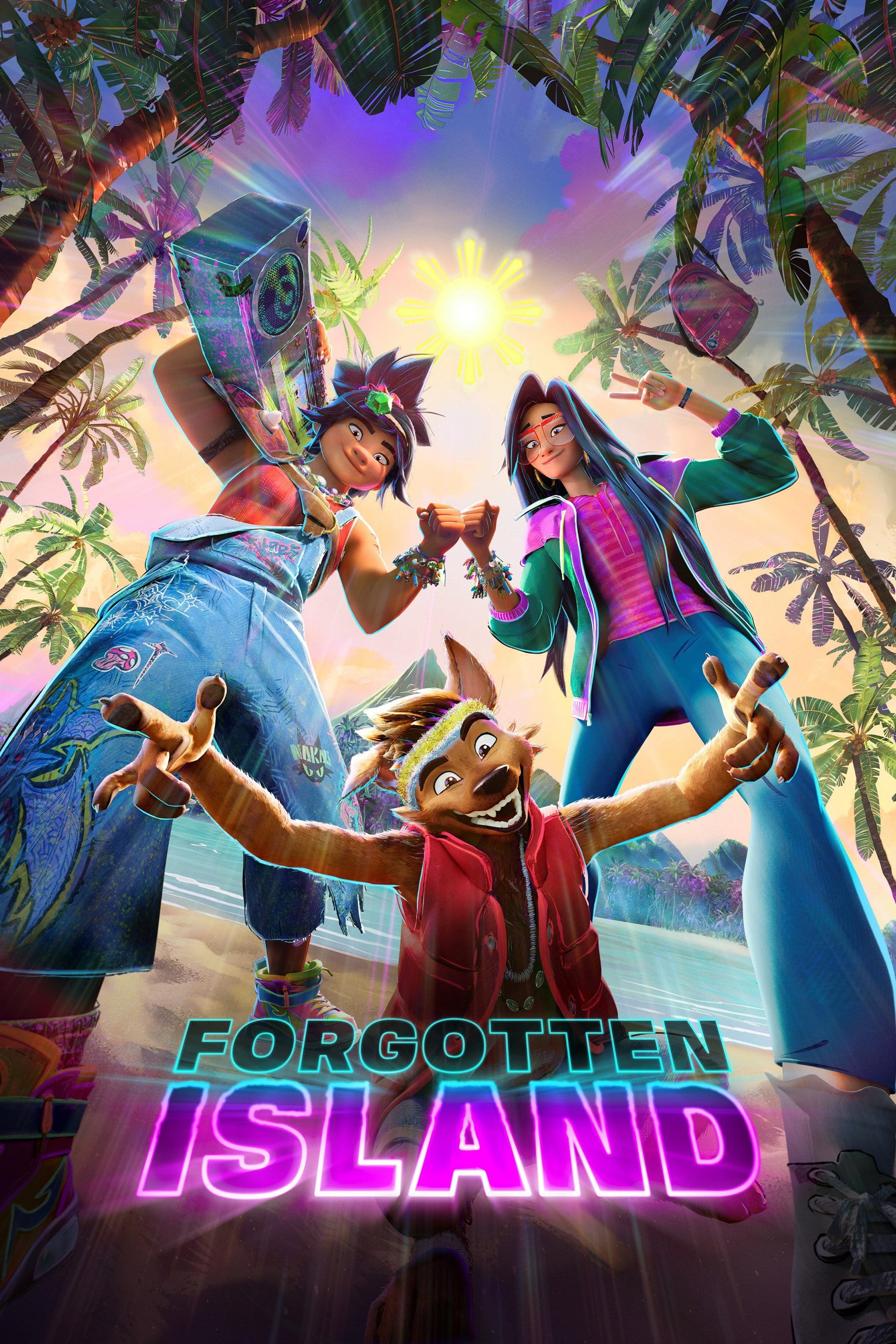
Forgotten Island had none of that infrastructure. It had a $90 million production budget, a genuinely innovative visual language, a cast that included Filipino-American talent in principal roles, and critical notices that called it one of the year's finest animated films. What it did not have was a pre-sold audience who already loved these characters. And in 2025, that deficit is nearly impossible to overcome in a single weekend.
The Sequel Economy and Its Hidden Tax on Originality
The economics of the modern multiplex operate as a closed loop. Sequels perform well because audiences trust known properties. Because sequels perform well, studios greenlight more sequels. Because studios greenlight more sequels, original films receive proportionally less marketing spend, fewer premium screens, and shorter theatrical windows before being repositioned as streaming content. Because original films underperform under those conditions, the industry concludes that audiences don't want originality — which licenses the next cycle of sequels.
This is not conspiracy. It is incentive architecture. No individual executive is choosing failure for original films. Each decision — the screen allocation favoring Despicable Me 5, the marketing spend concentrated on a known IP, the streaming-first pivot for films that don't hit benchmarks — is rational in isolation. Collectively, they constitute a structural tax levied specifically against films that attempt something new.
The cruelest irony is that the films most likely to expand animation's cultural footprint are the ones least protected against this mechanism. Moana (2016) succeeded in part because Disney's brand alone was sufficient protection. Encanto (2021) underperformed theatrically and found its audience only after Disney+ made it frictionless. Turning Red (2022) was pulled from theaters entirely. Each of these films — culturally specific, rooted in non-European traditions, made with genuine artistic intent — required something beyond theatrical release to find the audience that, in theory, had always been there. Forgotten Island may follow the same trajectory. The question is whether that trajectory constitutes success or defeat, and whether the industry will read it as evidence that originality can work, or that it doesn't work in theaters.
What Philippine Mythology Deserves
Set aside the business analysis for a moment and consider what it means for this particular story to have been made. Philippine mythology is not simply an untapped aesthetic resource for Western studios to mine. It is a living body of narrative tradition that survived Spanish colonial suppression, American cultural imperialism, and the global homogenization of entertainment. The Bakunawa — the sea serpent that swallows the moon — is not a curiosity. It is part of a cosmological framework as internally coherent and emotionally resonant as the Greek myths that have been adapted into franchise properties dozens of times over.
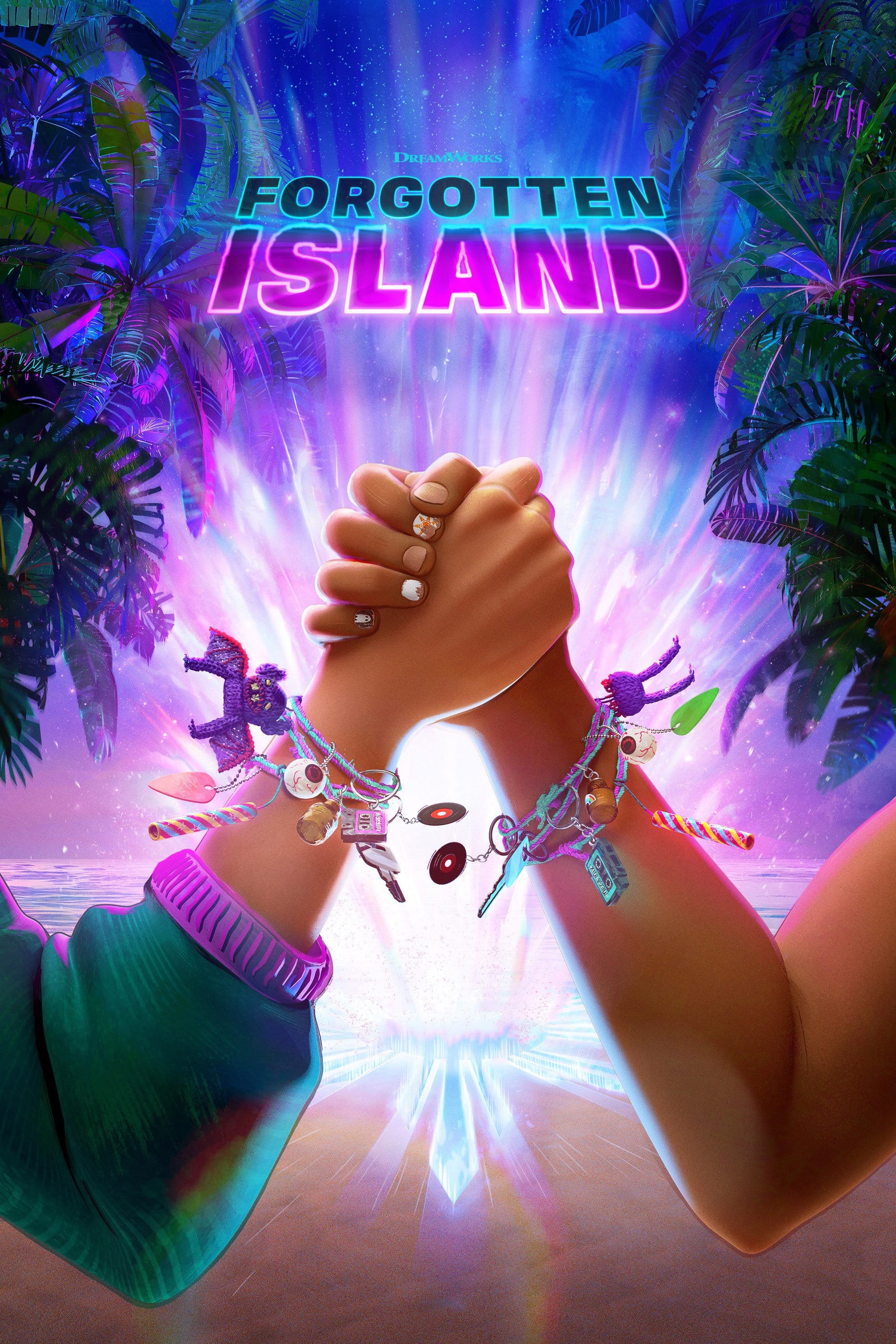
The creative team behind Forgotten Island reportedly engaged extensively with Filipino cultural consultants, academics specializing in pre-colonial Philippine history, and community organizations representing the Filipino diaspora. The result, by critical consensus, is a film that treats its source material with the seriousness it deserves rather than flattening it into palatable exoticism. That is rarer than it should be, and it matters more than the opening weekend figure suggests.
Filipino-Americans constitute one of the largest Asian-American communities in the United States. The Philippine diaspora is global, concentrated in significant numbers across North America, the Middle East, Europe, and East Asia. The audience for a film like Forgotten Island exists. It showed up. It simply could not, by itself, move the needle against a theatrical landscape that had already allocated its oxygen to sequels.
Reading the Numbers Correctly
The danger now is misdiagnosis. If DreamWorks — or Universal, which distributes for the studio — reads the opening weekend as proof that original animated films rooted in non-Western mythology don't work, they will be drawing the wrong conclusion from the right data. The data shows that a specific distribution and marketing structure failed to convert genuine critical enthusiasm into opening-weekend ticket sales. It does not show that the film's premise was wrong, that audiences rejected Philippine mythology, or that originality itself is the variable to eliminate.
The precedent that matters here is not the opening weekend of Forgotten Island. It is the total cultural life of the film — theatrical, streaming, international markets, home video, the conversations it generates over months and years. The Iron Giant (1999) was a catastrophic theatrical failure that is now considered one of the defining American animated films of its era. Treasure Planet (2002) nearly bankrupted a division of Disney and has since accumulated a fierce, devoted following that continues to grow. Box office is a single data point. It is also, unfortunately, the data point with the most institutional power.
What Forgotten Island's opening weekend actually exposes is the exhausted logic of a risk-management framework that has been mistaken for creative strategy. The industry's bet on sequels has produced reliable short-term returns and a long-term audience that has been trained to treat the unfamiliar as suspicious. Fixing that is not a single film's responsibility. But Forgotten Island is, at minimum, precise evidence of the problem — and a reminder that the films most worth making are often the ones the market is least prepared to receive.