The word "quiet" does a lot of work in the specialty box office conversation. It is the word distributors use when they want to lower expectations, the word critics use when they want to signal that a film operates at a register most audiences will resist, and the word industry trackers reach for when something succeeds without generating the kind of noise that Twitter algorithms amplify. Fjord (2026) opened quietly this past weekend in 38 U.S. theaters. It topped the specialty box office. Those two sentences, placed side by side, constitute a small but precise verdict on the current state of prestige cinema in America.
 Official trailer
The Palme d’Or winner pulled a per-screen average that the trade press will spend the next week contextualizing, but the number itself is less interesting than what it represents: an audience that sought the film out, drove to a theater that probably wasn't close, paid full price, and left with something to say. That is the entire value proposition of limited release, and Fjord delivered it without a single piece of carpet activation, without a star who had spent August doing morning television, without a campaign built around an Oscar trajectory that the film's distributors were too polite to stop telegraphing. It simply opened. People came. The math was favorable.
The contrast on the same weekend was not subtle. A studio-backed prestige production — mounted for the better part of $5.5 million, positioned with the kind of deliberate seriousness that announces itself in every frame of the trailer — landed with a figure that its distributors will, in the coming days, attempt to frame as a platform strategy rather than an underperformance. It is an underperformance. The movie was constructed to feel important. It felt constructed. Those are not the same thing, and audiences who pay $18 for a ticket in a limited-engagement art house are, almost by definition, the least forgiving audience in the country for that particular failure mode.
What the Palme d'Or Actually Certifies
It is worth being precise about what the Palme d'Or does and does not do. It does not guarantee commercial viability. It does not resolve questions of accessibility. It does not translate automatically into Oscar nominations, streaming deals, or the kind of word-of-mouth that builds a wide-release run from a platform opening. What it does — when the jury has done its job, which is not always — is certify that a room full of serious cinematic minds agreed, under the specific conditions of a competitive festival, that a film had achieved something. That certification has value, but only as a signal. The film still has to do the work in the theater.
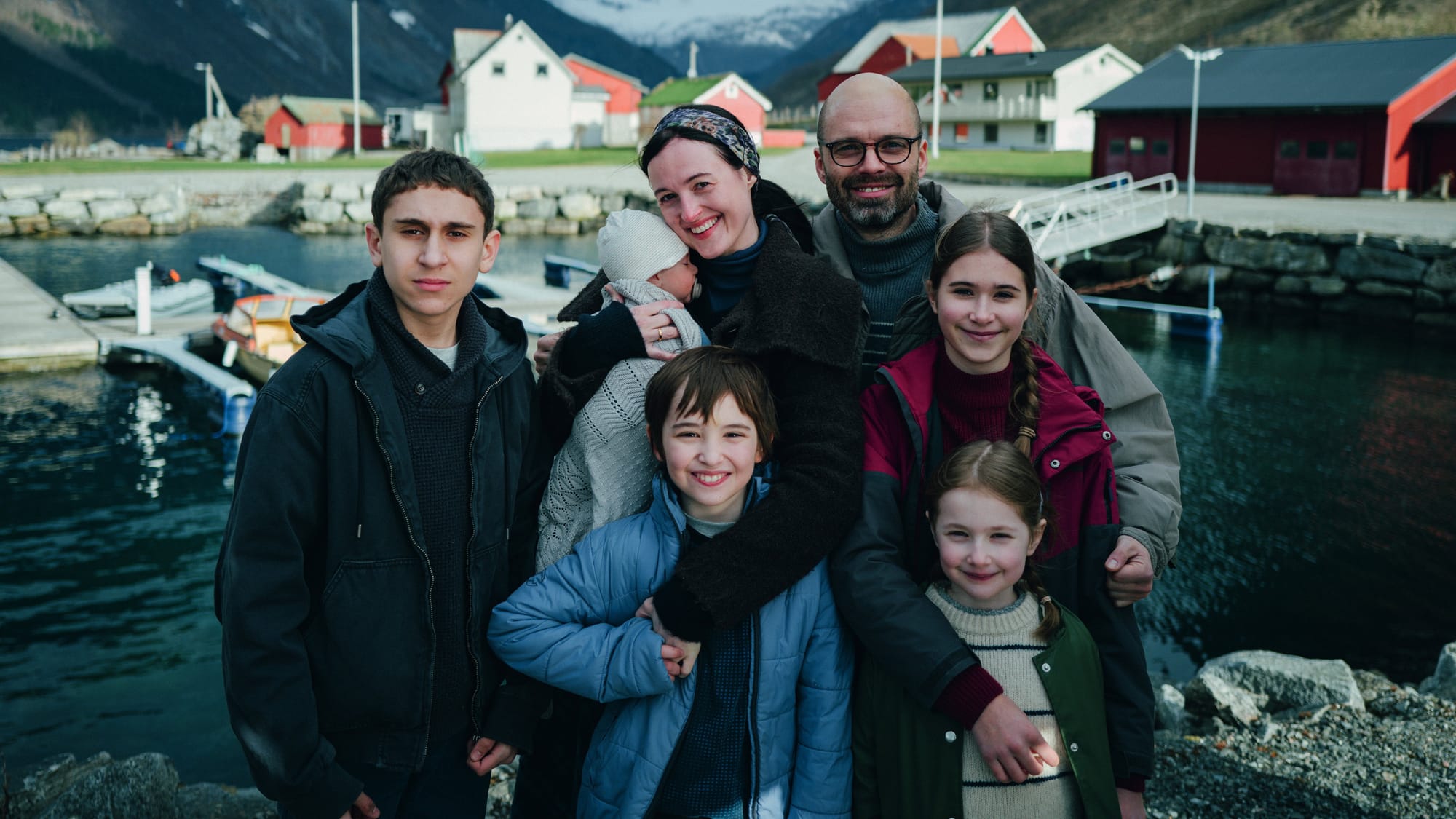
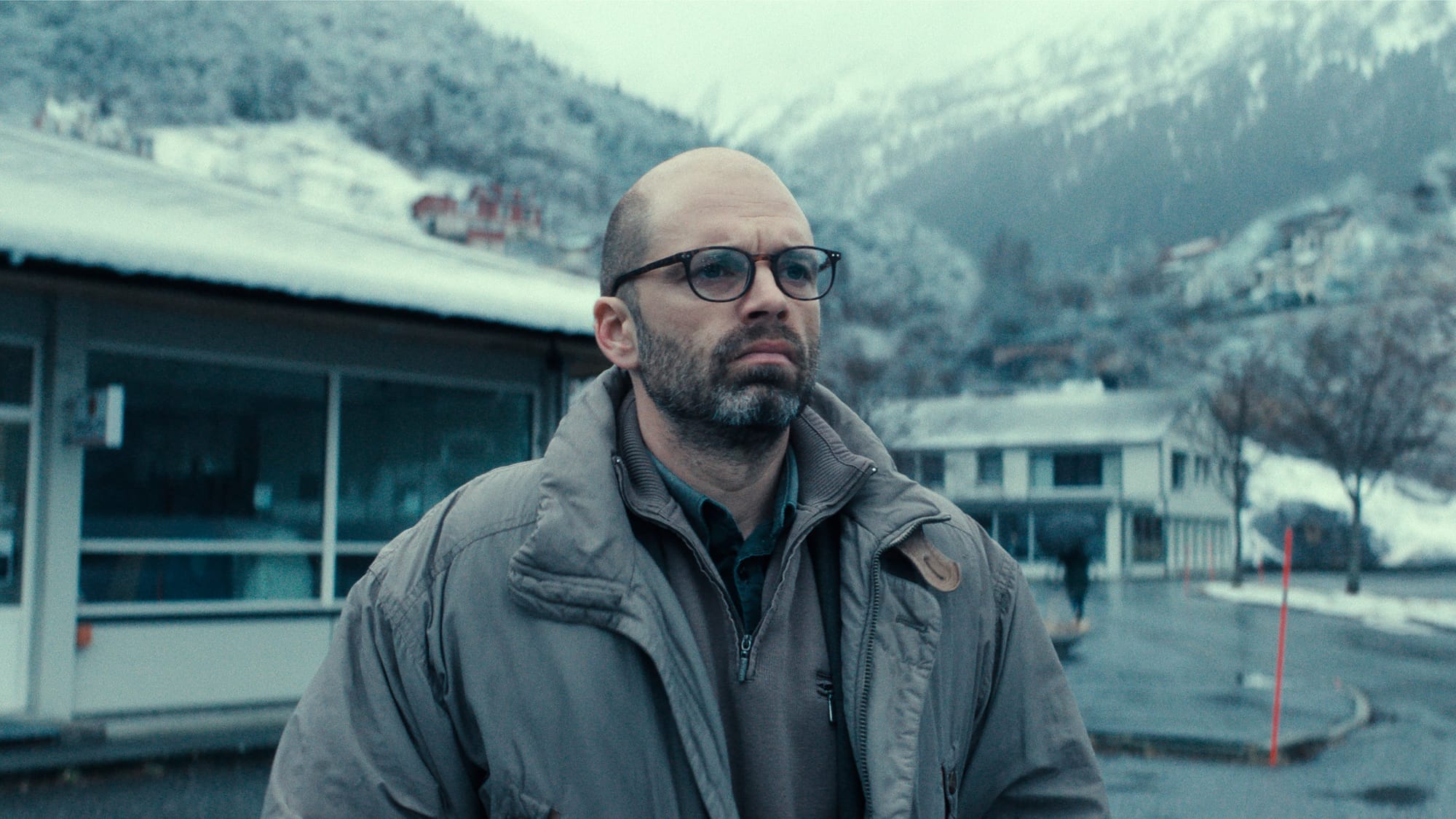
Fjord does the work. Without rehearsing its plot in a way that collapses the experience of watching it into summary, it operates in the tradition of slow European cinema that treats landscape as psychology — the fjord of the title is both setting and emotional architecture, a space that the film's characters cannot escape because they are, in some structural sense, made of it. It is demanding. It asks for patience in a way that few studio films, even ostensibly serious ones, dare to ask. And it rewards that patience in ways that are not easily described in a pull quote, which is precisely why pull quotes from its reviews tend to reach for comparisons rather than descriptions. It plays like early Haneke filtered through a Nordic pessimism that never tips into nihilism. It plays like something that needed to be made.
That quality — necessity — is the thing that cannot be reverse-engineered by a production company that decides in a greenlight meeting that it wants a Palme d'Or film. The $5.5M studio entry this weekend had all the surface markers. Muted color palette. Non-linear structure. An elliptical approach to dialogue that read in the trailer as restraint and reads on screen as evasion. A score that signals interiority rather than producing it. These are techniques, not dispositions. Fjord has a disposition. The other film has a mood board.
The Mechanics of Specialty Failure
Specialty box office failure is different from wide-release failure in one important structural way. When a $200M tentpole underperforms, the studio absorbs a loss that it has, in theory, already stress-tested against other revenue streams — home video, licensing, international, franchise residue. When a prestige limited release underperforms, there is no cushion of that kind. The audience for these films is small, self-selecting, and highly informed. They read reviews. They check Letterboxd. They talk to each other. A specialty film that fails to generate genuine enthusiasm in its opening weekend has lost its best opportunity for the kind of organic growth that transforms a 38-screen debut into a 200-screen mid-run expansion. The algorithm of reputation, which is the only algorithm that matters in this sector, stalls.
The studio behind this weekend's underperformer will issue a statement about the long game. They will mention that certain films find their audience over time. They are not wrong in principle. They are almost certainly wrong in this specific case, because the films that find their audiences over time do so because the audiences that see them first cannot stop talking. Silence is the signal. Right now, there is silence.
Limited Release as Editorial Statement
There is a version of this story that flatters the specialty market as a sanctuary — a space where real cinema survives while the multiplex runs on IP and nostalgia. That version is too comfortable. The specialty market has its own failure modes, its own tendency toward a kind of aesthetic conformism that mistakes difficulty for depth, its own susceptibility to the prestige-branding trap it affects to disdain. What this weekend clarifies is not that the specialty market is healthy in some absolute sense. It is that Fjord is healthy, specifically — that this film, with this Palme d'Or attached to it for legitimate reasons, has found the audience it needed in the city-by-city, screen-by-screen way that the sector was designed to facilitate.
The distributor's job now is not to overcorrect. The temptation after a strong per-screen average is to expand aggressively, to chase the number, to interpret a signal of concentrated demand as evidence of broad demand. Those are not the same thing. Fjord will find more screens. It should find more screens. But the expansion should follow the conversation, not race ahead of it. The film earned its opening weekend by being precisely what it is. It will earn its run the same way.
Hollywood's prestige apparatus has spent years trying to manufacture the sensation that a film matters before the film has had a chance to prove it. Audiences in limited release have grown fluent in the grammar of that manufacture — the tasteful one-sheet, the careful festival rollout, the critical consensus assembled like furniture. Fjord did not feel assembled. That is, finally, the whole explanation. It is also, in a market that runs on signals, a significant one.