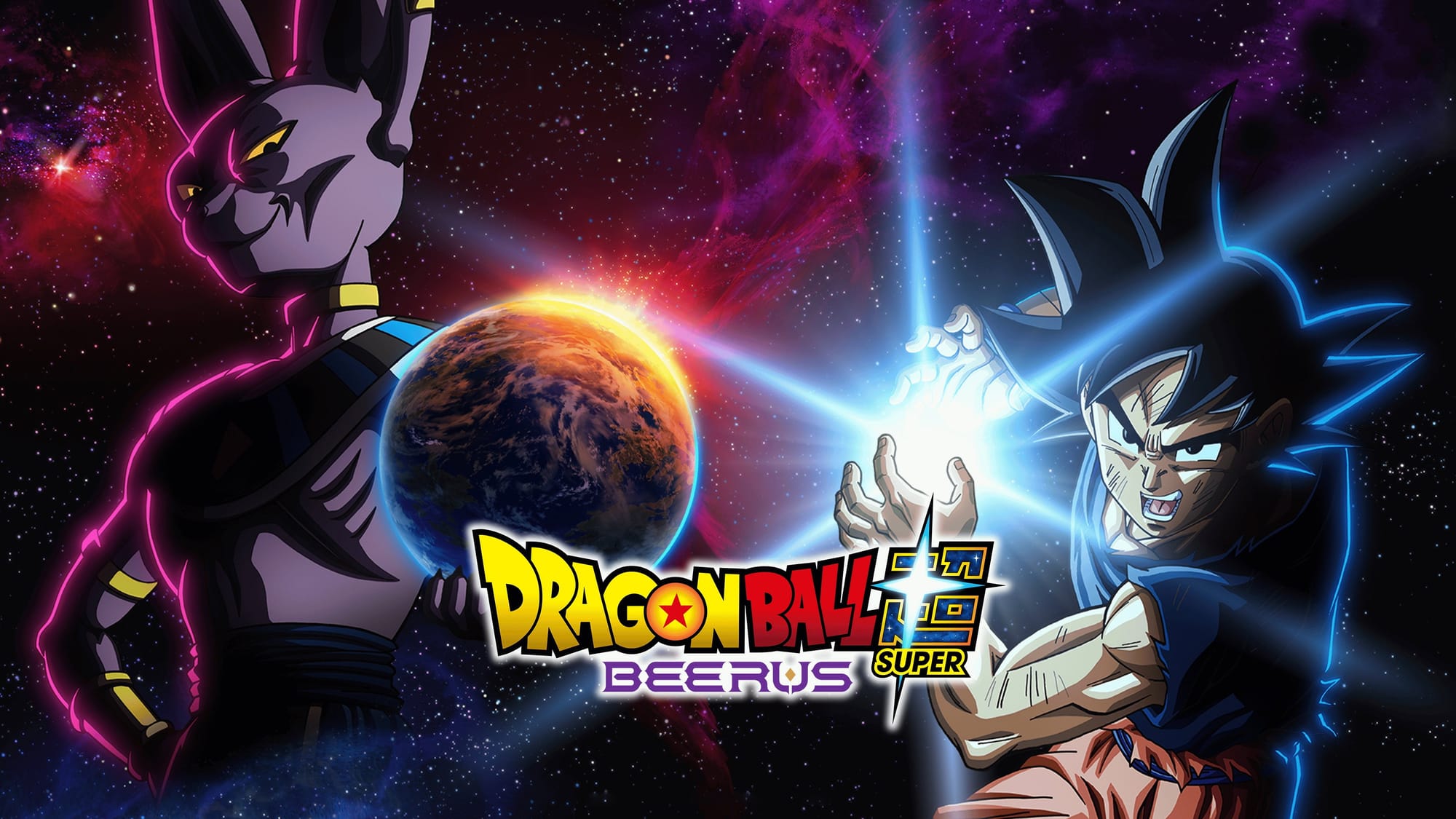
There is a specific kind of industry signal that arrives dressed as fan service. Dragon Ball Super: Beerus (2025) is one of those signals. On the surface, it is exactly what decades of Dragon Ball faithful have been waiting for: a series built around the God of Destruction himself, Beerus, finally granted the narrative depth that his introduction in Dragon Ball Z: Battle of Gods (2013) promised and that Dragon Ball Super (2015) only partially delivered. Underneath that, it is something more instructive — a simultaneous dual-platform launch across Crunchyroll and Netflix that functions less like a promotional strategy and more like a confession about the current geometry of anime streaming power.
 Official trailer
The mechanics are worth stating plainly. Dragon Ball Super: Beerus is not a Netflix exclusive. It is not a Crunchyroll exclusive. It arrives on both platforms in the same week, in what Toei Animation and its licensing partners have structured as a co-distribution arrangement. For a property of this magnitude — Dragon Ball remains one of the highest-grossing media franchises in recorded history, with merchandise revenue alone exceeding $25 billion — that decision is not an accident of scheduling. It is a deliberate architectural choice, and architecture always reflects the pressures that shaped it.
The Platform Split as Power Index
For most of the past decade, the dominant model for premium anime acquisition was the exclusive window. Netflix pioneered its version with a binge-drop strategy that was deeply hostile to simulcast culture, drawing sustained criticism for pulling titles like Devilman Crybaby (2018) and Aggretsuko (2018) out of the communal weekly discourse that had defined anime fandom for years. Crunchyroll, by contrast, built its entire identity on the simulcast — the episode lands in Japan, it lands on Crunchyroll within hours, the global conversation happens in real time. These were not just different release strategies. They were different philosophies about what anime viewership is and who it belongs to.
What the Dragon Ball Super: Beerus launch reveals is that neither philosophy won outright. Instead, the franchise ecosystem has reached a point of sufficient leverage that Toei can now refuse to cede exclusivity to either camp — and both platforms are willing to accept that condition rather than lose the title entirely. That is a significant inversion. Three years ago, the question was which platform could afford to lock down Dragon Ball. Today, the question is whether any single platform is powerful enough to demand that Dragon Ball be locked at all. The answer, apparently, is no.
What Beerus Means as a Franchise Bet
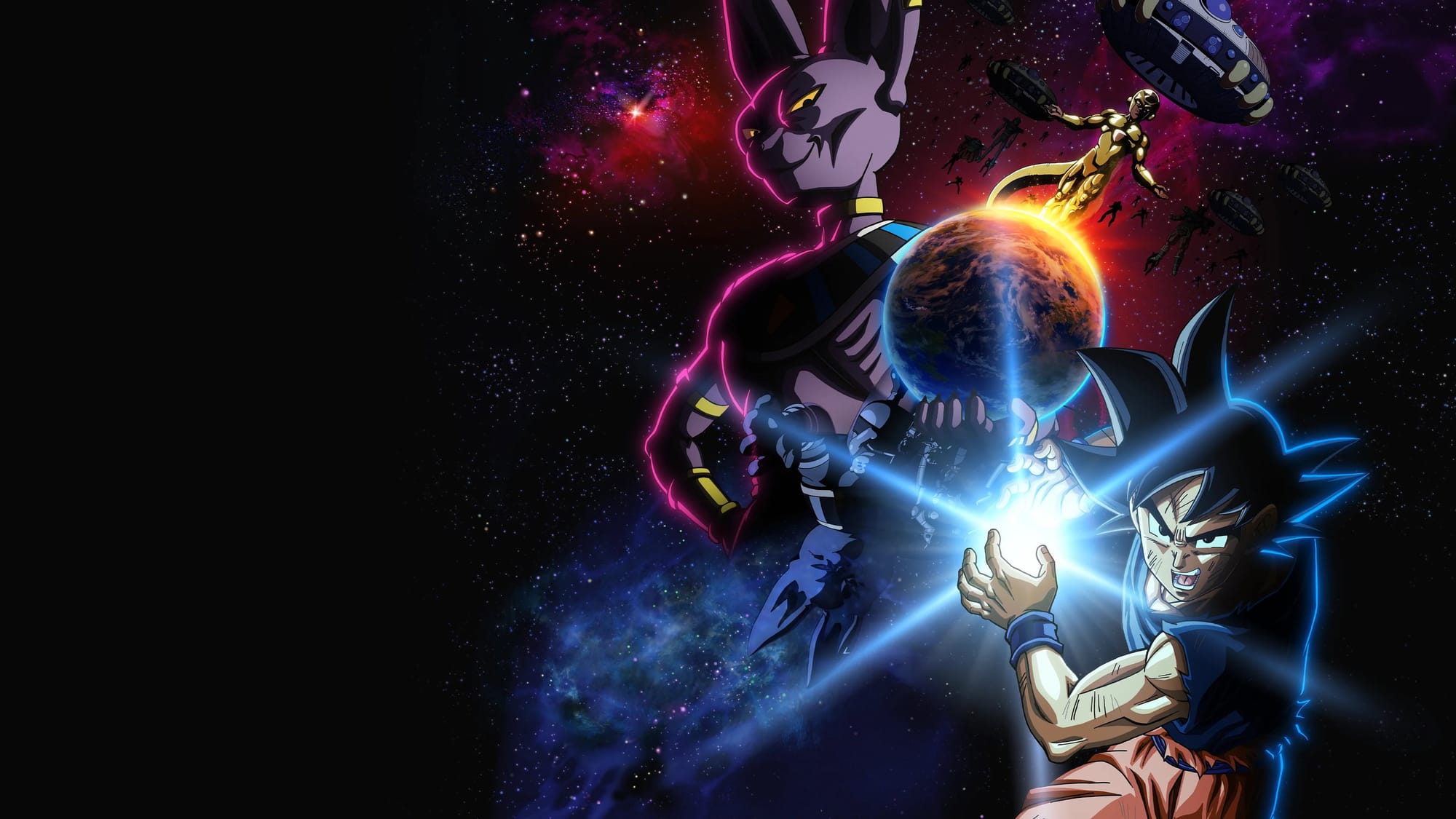
Set aside the distribution architecture for a moment and consider what this series is actually being asked to do narratively. Beerus as a protagonist — or at least as the gravitational center of his own story — is a structurally unusual choice for a franchise that has always organized itself around Goku's upward mobility. The God of Destruction is defined by stasis. He sleeps for decades. He destroys not out of ambition but out of appetite and boredom. He is, in the most literal sense, a character whose entire dramatic function in prior entries was to establish a power ceiling that Goku would eventually crack.
Building a series around him requires a different kind of dramatic logic. The tension cannot be: will Beerus win? He will. The tension has to be something closer to: what does it cost to be the thing that everything else is afraid of? That is a more philosophical frame than Dragon Ball has historically committed to, and the promotional materials for Dragon Ball Super: Beerus suggest Toei is genuinely attempting it — leaning into Beerus's relationship with Whis, his contractual obligations as a destroyer within the divine hierarchy, and the specific loneliness of omnipotence. Whether the execution holds is a question the episodes will answer. But the creative ambition signals that this is not a nostalgia play. It is an attempt to expand what the franchise is structurally capable of.
Simultaneous Global Release as the New Default
The dual-platform launch also forces a reckoning with what "simultaneous global release" now means in practice. When Demon Slayer: Kimetsu no Yaiba (2019) and Jujutsu Kaisen (2020) established the current template for breakout anime success, the mechanism was Crunchyroll's simulcast model feeding a social media cycle that drove awareness far beyond the platform's subscriber base. Netflix's counter-strategy — exemplified by its enormous investment in One Piece (2023) as a live-action adaptation — was to reach audiences who would never open a simulcast app by placing anime-adjacent content inside a platform they already used for everything else.
A title that lives on both services simultaneously disrupts both feedback loops. Crunchyroll's simulcast community does not have exclusive claim to the discourse. Netflix's algorithm cannot position the show as a discovery within its own recommendation engine if the show is equally accessible elsewhere. What remains is the franchise itself as the primary attractor — which is precisely the condition under which Toei's negotiating position becomes strongest. Dragon Ball does not need a platform's promotional infrastructure to find its audience. Its audience is already there, has always been there, and will locate the content regardless of where it is hosted.
The Audience as Infrastructure
This is the underlying dynamic that the Dragon Ball Super: Beerus launch makes visible. For most anime titles, streaming platform placement is itself a form of marketing — being on Netflix signals prestige; being on Crunchyroll signals authenticity within the fandom. For Dragon Ball, those signals are noise. The franchise predates both platforms by decades and has survived every distribution format from VHS fansubs to Toonami blocks to theatrical releases. Its audience is not a demographic that a platform cultivated. It is a pre-existing global community that platforms compete to serve.
When you understand that, the simultaneous dual-platform launch stops looking like indecision or compromise and starts looking like leverage deployed cleanly. Toei is not hedging. It is demonstrating, at scale, that the most powerful position in anime distribution is not held by any platform — it is held by the franchises that have already embedded themselves in the culture so thoroughly that no single streaming deal can contain them.
Dragon Ball Super: Beerus may or may not be a great anime series. The creative ambition is real; the execution is unproven. But as a document of where power sits in the current anime industry — who answers to whom, which platforms can dictate terms and which cannot — it is already one of the most legible texts the year has produced. The God of Destruction arriving simultaneously everywhere is not just a character choice. It is a statement of fact about how this particular franchise moves through the world: on its own terms, beholden to no single gatekeeper, already inside every room before anyone thought to lock the door.