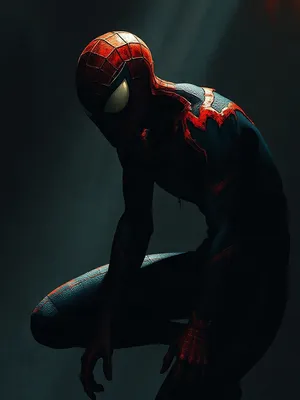
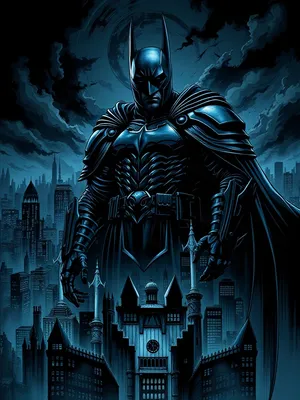
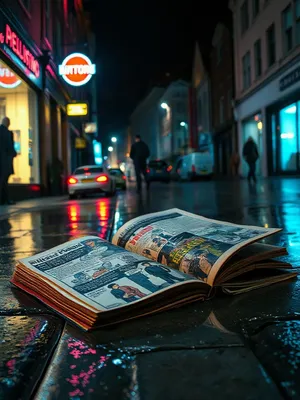
Two collected editions land on shelves this week from competing publishers, covering the same event, told from different corners of the same fictional universe. That has not happened since the late 1990s, the era of DC Versus Marvel. The occasion alone is enough to generate headlines. The more demanding question is whether DC/Marvel: The Cosmic Kiss Caper & Other Stories earns the weight that occasion implies — or whether it arrives as nostalgia product dressed in the language of ambition.
The Format Has a History Worth Respecting
The intercompany crossover is a specific beast. It is not a licensed team-up, not a variant cover deal, not a shared promotional campaign. It requires both publishers to subordinate their individual continuity logic to a third space — a narrative no-man's-land where the rules of neither universe fully apply. At its most disciplined, that constraint is generative. DC versus Marvel (1996) understood this implicitly: the story's central mechanism, a vote by readers to determine match outcomes, was structurally absurd and commercially transparent, yet it externalized the crossover's real subject matter, which was fan investment itself. JLA/Avengers (2003–2004), the last major collaboration before this one, went further, weaponizing continuity as emotional texture rather than obstacle. Kurt Busiek and George Pérez treated the gap between universes as something characters could grieve. That is a more sophisticated move than most single-publisher events manage.
The two-decade silence that followed was not accidental. Corporate restructuring, competing cinematic ambitions, licensing complexity, and the sheer logistical friction of aligning two rival editorial cultures all contributed. What ended that silence matters as much as what it produced.
What the 2025–2026 Event Actually Did
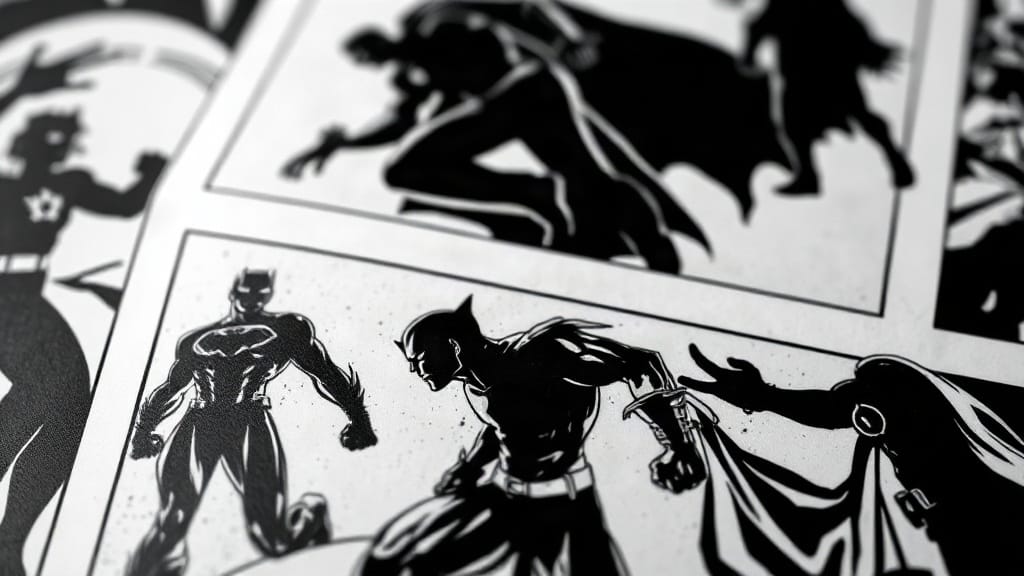
The crossover's working premise — a cosmic-level threat requiring coordinated response across both universes — is structurally conservative. It defaults to the safest crossover grammar: external catastrophe as permission slip for collaboration. There is no ideological friction between the publishers' respective heroes, no sustained interrogation of what separates a DC character's moral architecture from a Marvel one. The narrative prefers spectacle managed at scale over the kind of quietly devastating character confrontation that made JLA/Avengers linger.
That is not a fatal flaw. It is a calibration choice, and it speaks to the current market. Both publishers are navigating audiences shaped by over fifteen years of cinematic shared universes, audiences who have developed a sophisticated allergy to event fatigue precisely because the format has been overused within each publisher's own line. Asking those readers to invest in an intercompany event requires lowering the barrier of entry, not raising the literary stakes. The creative teams — spread across multiple tie-in issues collected in both volumes — largely succeed at producing accessible, kinetic superhero fiction. The problem is that accessibility, in this context, reads as caution.
The Dual-Edition Structure as Editorial Statement
The decision to release two simultaneous collected editions — one from DC, one from Marvel, each foregrounding their respective publisher's perspective on shared events — is the most formally interesting thing about this release. It is not unprecedented in spirit; tie-in publishing has always been asymmetrical. But presenting it as a deliberate, coordinated dual release repositions the seam between the two versions as a feature rather than a logistical compromise. Readers who purchase both are, in effect, buying a stereoscopic object: the same event refracted through competing editorial sensibilities, house styles, and coloring philosophies.
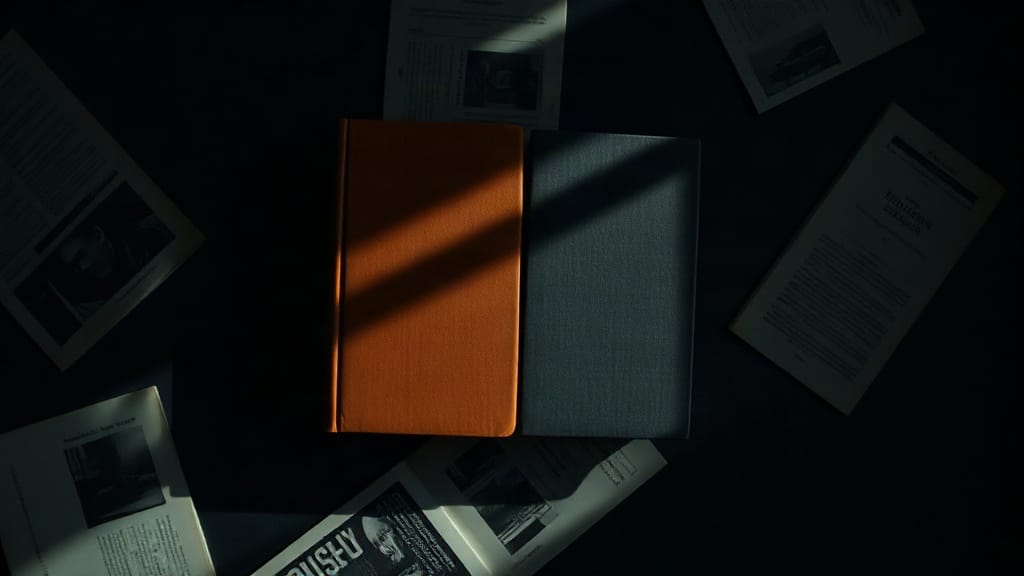
Whether that duality produces genuine interpretive friction or merely cosmetic variation depends on how attentively you read across the gap. The DC volume leans toward operatic register; the Marvel volume toward ironic interiority. Neither choice is surprising given each publisher's current house voice. Together, they form a document less about the crossover's fictional stakes than about the institutional personalities producing it.
Stress Test, Not Coronation
The intercompany crossover peaked as a format when both publishers were navigating the speculator bubble and needed event publishing to move units. The structural pressures that generated those collaborations no longer exist in the same form. What exists now is something more complex: two publishers with globally recognized IP, each managing the relationship between their print and screen output with varying degrees of success, choosing to share narrative real estate for the first time in a generation.
That choice is meaningful. The execution of DC/Marvel: The Cosmic Kiss Caper & Other Stories is competent, occasionally thrilling, and rarely as strange or as brave as the format's best moments demanded. It establishes that the collaboration is still possible. It does not yet prove that it is still necessary. The more interesting question — what only this format can do that neither publisher can accomplish alone — remains largely unanswered. Which means the real test isn't whether this collection sells. It's whether whoever comes next decides to ask harder questions with the same access. Both publishers are also busy rebuilding their own houses in parallel — Kynari's Batman Day retrospective and the Midnight imprint coverage both track that same institutional appetite for risk, on either side of the aisle.