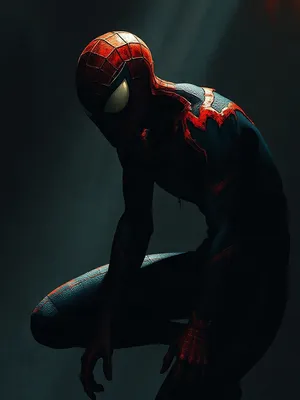
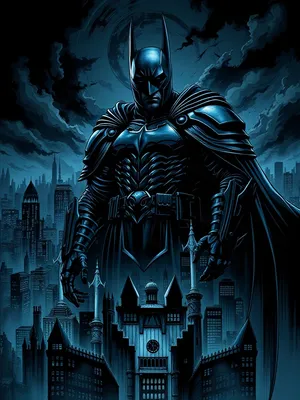
Marvel doesn't launch imprints on instinct. Every line extension — MAX, Icon, Ultimates — has been a calculated probe into a specific demographic pocket, a way of asking how much are you willing to pay for a version of this universe that was made for you? The Midnight imprint, anchored in a self-contained alternate universe populated by horror-inflected variants of familiar Marvel characters, is the latest answer to that question. It is not a creative experiment. It is a market segmentation strategy with a skull on the cover.
The Imprint as Infrastructure
Understanding what Midnight actually is requires separating its aesthetic surface from its structural logic. Horror trappings — decayed heroes, eldritch threat escalation, gothic atmosphere — are the packaging. The infrastructure underneath is a quarantine model: a universe cordoned off from main continuity so that it can operate under different commercial rules. No crossover obligations. No editorial interference from the 616. No need to reconcile a vampiric Steve Rogers with the man on the next summer event's variant cover.
That autonomy is not a creative gift. It is a risk-containment mechanism. If Midnight underperforms, it can be quietly decommissioned without leaving scar tissue on core continuity. If it overperforms, its characters become candidates for mainline integration — the same pipeline that turned Ultimate Comics' Miles Morales into one of Marvel's most commercially durable figures. The alternate universe framing is not world-building for its own sake. It is a kill switch with upside optionality.
Horror Is a Genre. Midnight Is a Format.
Marvel has published horror comics before — intermittently, tentatively, and almost always as a tonal layer draped over conventional superhero plots. Tomb of Dracula, Ghost Rider, the various Werewolf by Night revivals: these were genre gestures, not genre commitments. Midnight is something structurally different because it attempts to build a sustained reading ecosystem around horror logic rather than inserting horror as a mood modifier into existing franchise mechanics.
That distinction matters because horror, as a narrative mode, demands things that superhero continuity actively resists: irreversible consequence, genuine helplessness, threat that cannot be punched into resolution. A horror universe only functions if its readers accept that the heroes might not win — that the darkness is not a dramatic obstacle but a governing condition. Marvel is betting that a segment of its readership has matured past the comfort of guaranteed resolution. That is a demographic bet, not an artistic one.
Who the Imprint Is Actually For
The target reader for Midnight is not the casual Marvel fan who watched Doctor Strange in the Multiverse of Madness (2022) and found its horror aesthetics refreshing. That viewer's engagement with discomfort is transactional — they will tolerate it inside a two-hour container and then return to the safety of the main timeline. The Midnight reader is the one who has already migrated toward publishers like Image or Boom! Studios precisely because those lines allow consequence. The one who read Something Is Killing the Children or Radiant Black and noticed that stakes feel different when the universe isn't insured against collapse.
Marvel is not trying to convert casual fans into horror readers. It is trying to recapture lapsed readers who left the Big Two because the Big Two couldn't stop hedging. Whether that recapture is possible depends on whether Midnight is allowed to actually be what it claims to be — and that is a question Marvel's editorial culture has historically struggled to answer correctly.
The Credibility Problem
Every dedicated horror imprint from a major superhero publisher runs into the same wall: institutional timidity. The moment a character gains traction, the pressure to soften, to sanitize, to make them crossover-ready begins. It happened to MAX. It happened to the original Ultimate line once Ultimatum proved that mass death generates short-term sales spikes but long-term reader exhaustion. The question is not whether Midnight's creative teams are capable of sustaining genuine horror. They almost certainly are. The question is whether Marvel's commercial incentives will allow them to.
If Midnight's most interesting character generates enough social media heat, the temptation to fold them into a summer event becomes enormous. The moment that happens, the quarantine breaks. The alternate universe stops being a horror ecosystem and becomes a feeder system — and readers who signed on for something genuinely different will recognize the mechanism and leave.
What Failure Would Actually Mean
If Midnight collapses within three years, the dominant reading will be that superhero horror doesn't sell. That reading will be wrong. What the collapse would actually demonstrate is that Marvel's readership can detect when a publisher is performing risk rather than taking it — and that performance, however well-costumed, does not sustain long-term buy-in.
The Midnight imprint is a real opportunity to build something genuinely strange inside the Marvel apparatus. The genre can hold it. The talent can execute it. The only variable that remains unresolved is whether the publisher can resist the reflex to make it safe. That reflex, not the readership's appetite, is the actual threat to this universe's survival. Kynari's companion piece on the imprint looks at the same bet from the angle of what it says about the shared universe model itself.