There is a specific kind of pressure that attaches to sequels born from accidents. Not from franchise blueprints, not from IP strategies assembled in greenlit boardrooms, but from something stranger and harder to replicate: the right story, arriving at the exact wrong cultural moment, and somehow fixing it. Cyberpunk: Edgerunners (2022) was that kind of accident. Studio Trigger did not set out to rehabilitate a broken video game. CD Projekt Red did not commission a ten-episode anime series as a damage-control exercise. And yet, when the show landed on Netflix in September 2022, it did precisely that — it transformed the conversation around Cyberpunk 2077 (2020), dragged a battered IP back into cultural relevance, and produced what many still consider the defining anime of that year. Now, with Cyberpunk: Edgerunners 2 (2026) arriving under entirely different circumstances, the question is no longer whether Trigger can make a good anime. The question is whether anything made on purpose can carry the weight of something that happened by accident.
 Official trailer
What the First Season Actually Was
To understand the pressure bearing down on the second season, you have to be precise about what made the first one matter. Edgerunners was not exceptional because it was set in Night City. The city itself — a maximalist sprawl of corpo towers, gang territories, and neon-soaked misery — was already deeply established in the source material. What Trigger brought to it was compression and emotional velocity. Ten episodes is not much room. The show used that constraint like a weapon, burning through David Martinez's arc with the kind of narrative confidence that refuses safety nets. By the time the finale arrived, the destruction of its protagonist felt inevitable in retrospect, as if the story had been engineered backwards from its ending. That sense of controlled inevitability, rare in anime of any length, is what elevated the series beyond prestige-adjacent sci-fi entertainment into something closer to tragedy in the classical sense.
The cultural timing amplified everything. Cyberpunk 2077's disastrous launch in December 2020 had left a wound in the gaming discourse that two years of patches had not fully closed. Edgerunners arrived not as a correction but as a reminder that the world CDPR had built was genuinely worth inhabiting — if you came to it through the right door. The anime became that door. Player counts surged. The conversation shifted. None of that was planned, and that is precisely the problem for any follow-up: the conditions that produced the accident cannot be reconstructed.
The Deliberate Pivot
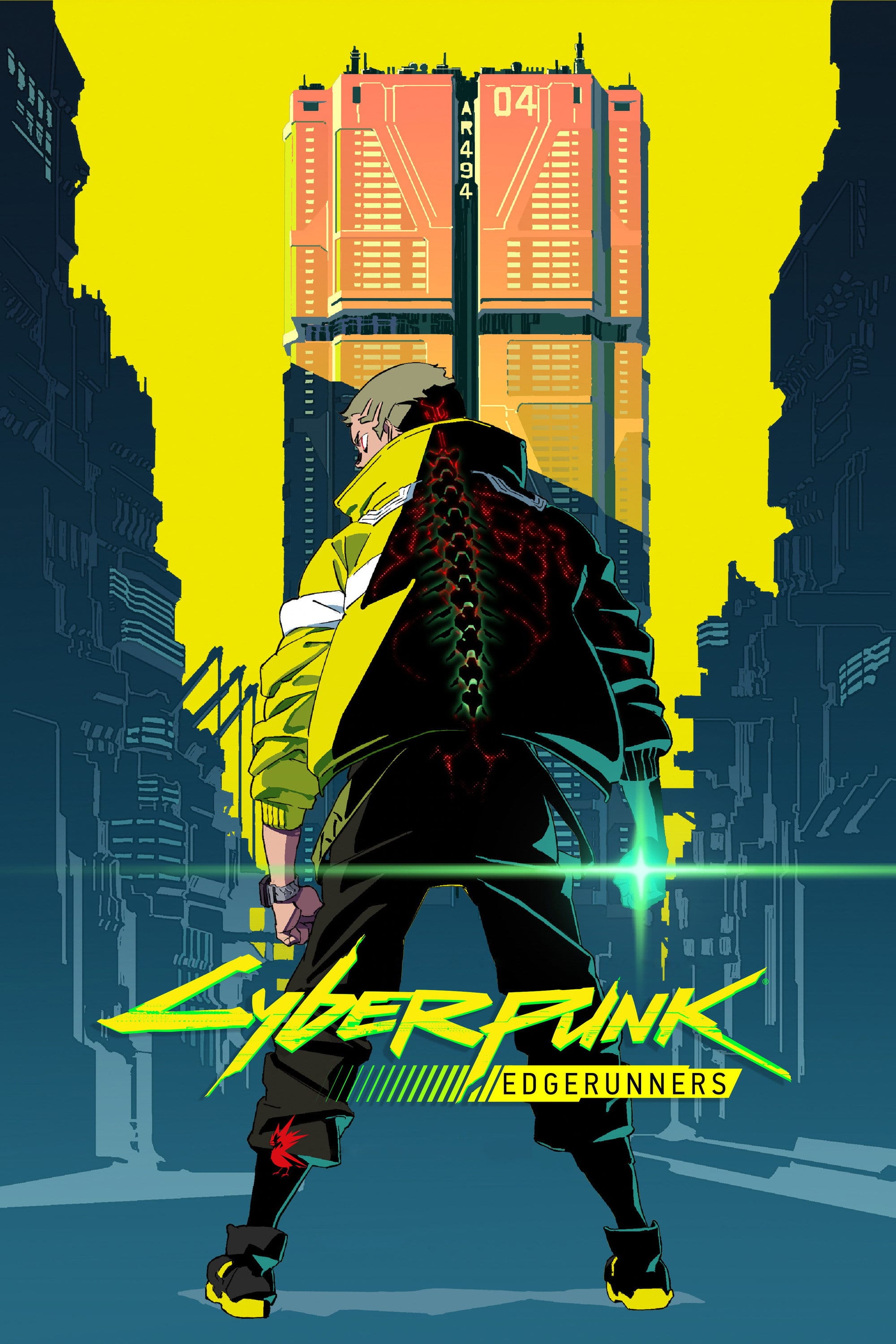
Cyberpunk: Edgerunners 2 does not attempt to reconstruct them. That much is immediately clear from its structure. Where the first season was a single, unbroken tragic arc, the second adopts an anthology framework — loosely connected stories set across different strata of Night City, following characters who never share a scene, bound together by geography and theme rather than plot. It is a defensible creative choice and, in some respects, an intelligent one. Returning to David Martinez's story was never a realistic option; the ending foreclosed it with finality. An anthology lets Trigger expand the world without the impossible task of finding a protagonist who can carry the same emotional freight.
The pivot also signals something about the show's revised ambition. Rather than attempting to replicate the original's mythic compression, Edgerunners 2 operates at a more grounded register. The individual episodes are quieter, more character-study oriented, interested in the texture of ordinary life in a city designed to make ordinary life impossible. There is craft here — Trigger's visual language remains among the most kinetic and distinctive in contemporary anime, and the production design continues to find new angles on a setting that could easily feel exhausted. But quieter and more grounded also means the show no longer burns with the same ferocity. Whether that is a loss or a maturation depends on what you think Edgerunners was for.
The Franchise Problem
This is where the structural tension becomes most visible, and most honest. Edgerunners 2 exists in a context shaped by competing imperatives. Netflix needs content that performs across multiple quarters. CDPR has a gaming franchise to sustain, including the forthcoming Cyberpunk 2077 sequel, currently in development under the project name Orion. Studio Trigger, for all its artistic credibility, is not operating in a vacuum. The anthology model serves all of these interests simultaneously: it is infinitely extensible, it reduces the risk of a single narrative failure, and it allows each episode to function as an entry point for new viewers. These are franchise mechanics dressed in anthology clothing, and they are not inherently wrong — but they are visible, and visibility of this kind creates friction with the very thing that made the original work.
The first Edgerunners felt like a show with nothing to lose. It spent its protagonists freely, accelerated toward its own ending without hesitation, and made no structural provision for continuation. That recklessness was not a bug; it was the engine. Edgerunners 2, by contrast, is a show with considerable assets to protect. The legacy of the first season. The goodwill of a rehabilitated IP. The expectation of further installments. These are precisely the kinds of institutional pressures that produce careful, competent television rather than volatile, necessary art.
Whether It Matters
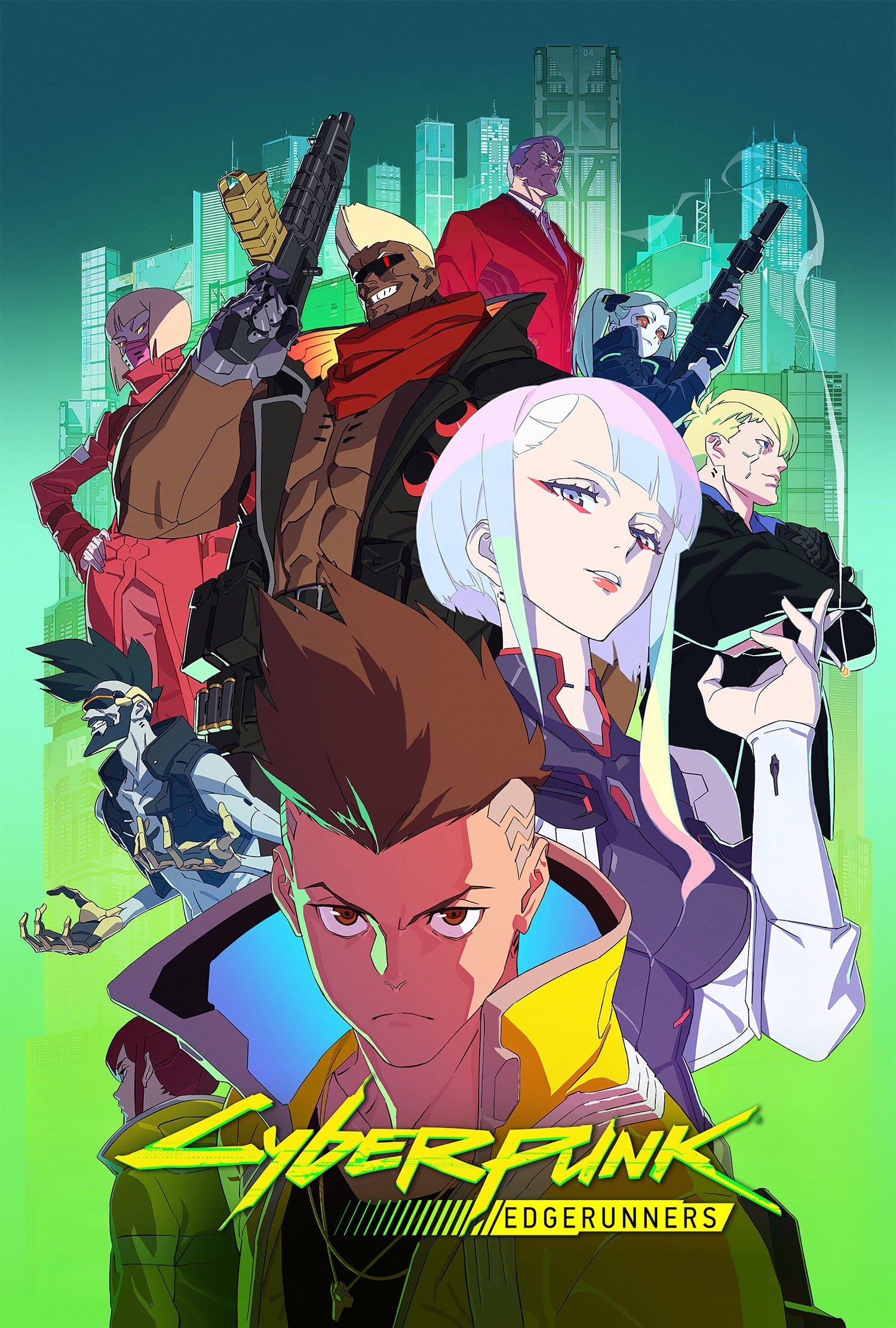
The more difficult question is whether any of this should be held against the second season on its own terms. Sequels to accidents are not obligated to replicate the accident. Edgerunners 2, judged as a collection of Night City stories made with genuine formal care, is frequently absorbing. Trigger's willingness to slow down and let individual episodes breathe produces moments of quiet power that the first season, in its relentless forward motion, did not have room for. The anthology structure, at its best, turns Night City into something it only gestured at before: a lived-in world with its own horizontal complexity, not just a stage for one man's descent.
But the weight of being a sequel to a cultural accident is not something that craft alone can resolve. It is a contextual condition, not a creative deficiency. Edgerunners 2 will be received by an audience that knows exactly what it is following — knows the emotional height from which any comparison must be made. Studio Trigger is building something here, carefully and with visible intelligence. The question of whether they are building a franchise or protecting a legacy may turn out to be a false binary. What is harder to dismiss is the possibility that they are doing both at once, and that the tension between those two projects is precisely what makes the second season feel, for all its qualities, like a show working very hard to stand still.
Night City was always designed to chew people up and leave the city unchanged. It is almost too neat that its most celebrated anime adaptation is now facing the same structural logic: the world endures, and the thing that made it matter the first time is already gone.