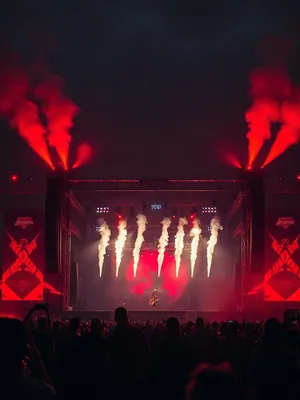
A comeback, in the K-pop industrial sense, is a product launch. It has a rollout, a narrative arc, a carefully managed re-entry into the attention economy. What BTS staged at MetLife Stadium this weekend was something structurally different — and the difference is worth examining with precision, because it tells you something true about where Korean cultural export has arrived, and where it intends to go.
The ARIRANG World Tour takes its name from the most recognizable folk song in Korean history: a melody so deeply embedded in the national psyche that it was sung across divided political lines, preserved through occupation, and eventually inscribed on UNESCO's Intangible Cultural Heritage list. To name a stadium world tour after it is not an act of nostalgia. It is a claim — that this musical tradition is not behind BTS, but underneath them. A foundation, not a relic.
The Stage as Architecture
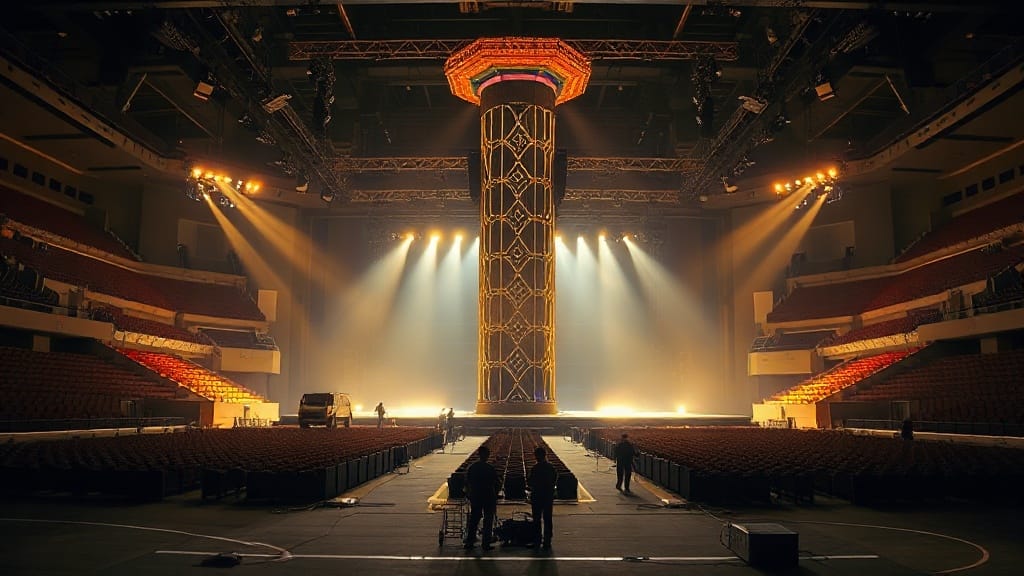
The production design makes the argument before a single note is played. The ARIRANG tour's central stage is a 360-degree rotating platform derived, in explicit visual reference, from the dancheong — the traditional Korean system of decorative coloring applied to wooden structures, palaces, and Buddhist temples. Geometric patterns in deep crimson, jade, and gold move across the stage floor and the towering central column as it rotates, creating the sensation not of a concert set but of a structure with history. The reference is not decorative. It is load-bearing.
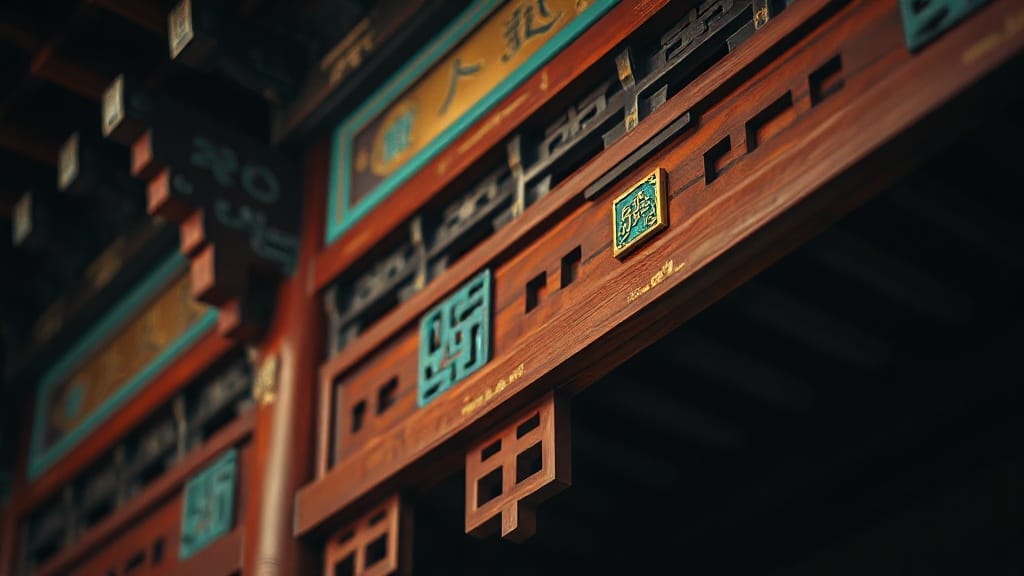
Traditional Korean architecture organizes space around the concept of madang — an open courtyard that exists not as emptiness but as the active center of communal gathering. The 360-degree configuration of the ARIRANG stage replicates that logic. There is no "front." The audience does not face the performers; it surrounds them. The spatial relationship between BTS and the 82,000 people at MetLife is not that of spectators and spectacle — it is, formally, that of a community assembled around a shared center. That is not an accident of venue logistics. It is a design decision with cultural coordinates.
What the Setlist Argues
The sequencing of the setlist functions as an essay. It opens not with the maximalist bombast that would signal "we're back and bigger than ever" — the easy, lucrative choice — but with an arrangement of the arirang melody itself, reorchestrated with live strings and BTS's layered harmonics, stretching nearly six minutes before the first word of a charted song is spoken. The choice resets the frame. Everything that follows is being asked to coexist with that melody, to justify itself in relation to it.
What follows is a deliberate cross-section of the group's catalog that resists the greatest-hits logic. Songs from the Map of the Soul and BE eras — periods marked by explicit engagement with Jungian identity frameworks and pandemic-era collective grief — sit alongside newer material that confronts the specific texture of absence: military service as institutional interruption, loyalty as something tested rather than assumed. The setlist does not pretend the years away did not happen. It metabolizes them.
The Return as Cultural Statement
Much of the discourse around BTS's return from mandatory military service has centered on market mechanics — stock prices for HYBE, streaming projections, the recalibration of a fandom that kept vigil for years. That framing is accurate but insufficient. What the ARIRANG tour proposes is that the members' service, rather than being a disruption to be overcome, has been absorbed into the meaning of the work itself. The folk song arirang has always been about a journey and a separation — a lover, a people, a self, moving away and toward something simultaneously. That is the frame BTS is offering for their own narrative, and it is considerably more sophisticated than a victory lap.
Korean cultural influence has spent the last decade proving it can compete globally on pop music's existing terms. Gangnam Style (2012) cracked the algorithm. BTS colonized Billboard. Squid Game (2021) demonstrated that Korean storytelling did not need to be translated — aesthetically or emotionally — to command a global audience. The ARIRANG tour represents something further along that arc: the confidence to import the terms themselves. To insist that a traditional folk melody is not context or color, but structure. That dancheong geometry belongs on a stage at MetLife not as exotica but as architecture.
That is not a comeback. That is a position.