Avengers: Endgame (2019) was, by almost every commercial metric, the summit of what superhero cinema could produce inside a studio system. It grossed $2.799 billion worldwide. It closed a twenty-two-film arc with enough emotional coherence that critics who had written off the MCU as assembly-line entertainment had to reckon with the craftsmanship involved. It felt, for a specific and unrepeatable moment, like a finale. Marvel is now re-releasing it — rebranded as Avengers: Endgame Encore, presented under the proprietary "Infinity Vision" theatrical format — with new footage explicitly designed to bridge the story toward Avengers: Doomsday. The studio is framing this as an event. It is not an event. It is a patch note, and treating it as anything else obscures the more uncomfortable truth it reveals about the current state of the franchise.
The Difference Between a Re-Release and a Revision
There is a long and largely honorable history of theatrical re-releases. Star Wars (1977) returned to cinemas in 1997 with restored footage and, controversially, altered scenes. Francis Ford Coppola has brought revised cuts of his own films back to theaters with varying degrees of artistic justification. Even Marvel itself staged a brief Avengers (2012) re-release with a post-credits scene that amounted to little more than a shawarma joke — charming, low-stakes, self-aware. The gesture communicated affection, not urgency.
What distinguishes those precedents from Endgame Encore is intent. When Coppola reconstructs a film, he is answering an artistic question left open by the original release conditions. When Lucas revised Star Wars, he was — whatever one thinks of the result — attempting to complete a personal vision. When Marvel adds bridging footage to Endgame, the motivation is neither artistic reconsideration nor fan service in any pure sense. The footage is functional. It is connective tissue engineered to make Doomsday land with greater weight by tethering it retroactively to the MCU's emotional peak. The re-release is, in the most precise sense, pre-release marketing for a different film — one that wouldn't have needed this infrastructure if the intervening years of MCU content had done their job.
What the "Infinity Vision" Branding Actually Signals
The "Infinity Vision" label is doing significant rhetorical work. It positions the re-release as a premium theatrical experience — an upgrade in the register of IMAX or Dolby Atmos, a format designation that implies the film has been enhanced rather than amended. This framing is deliberate. It allows Marvel to sidestep the more awkward conversation about why a film released just six years ago requires narrative supplementation at all.
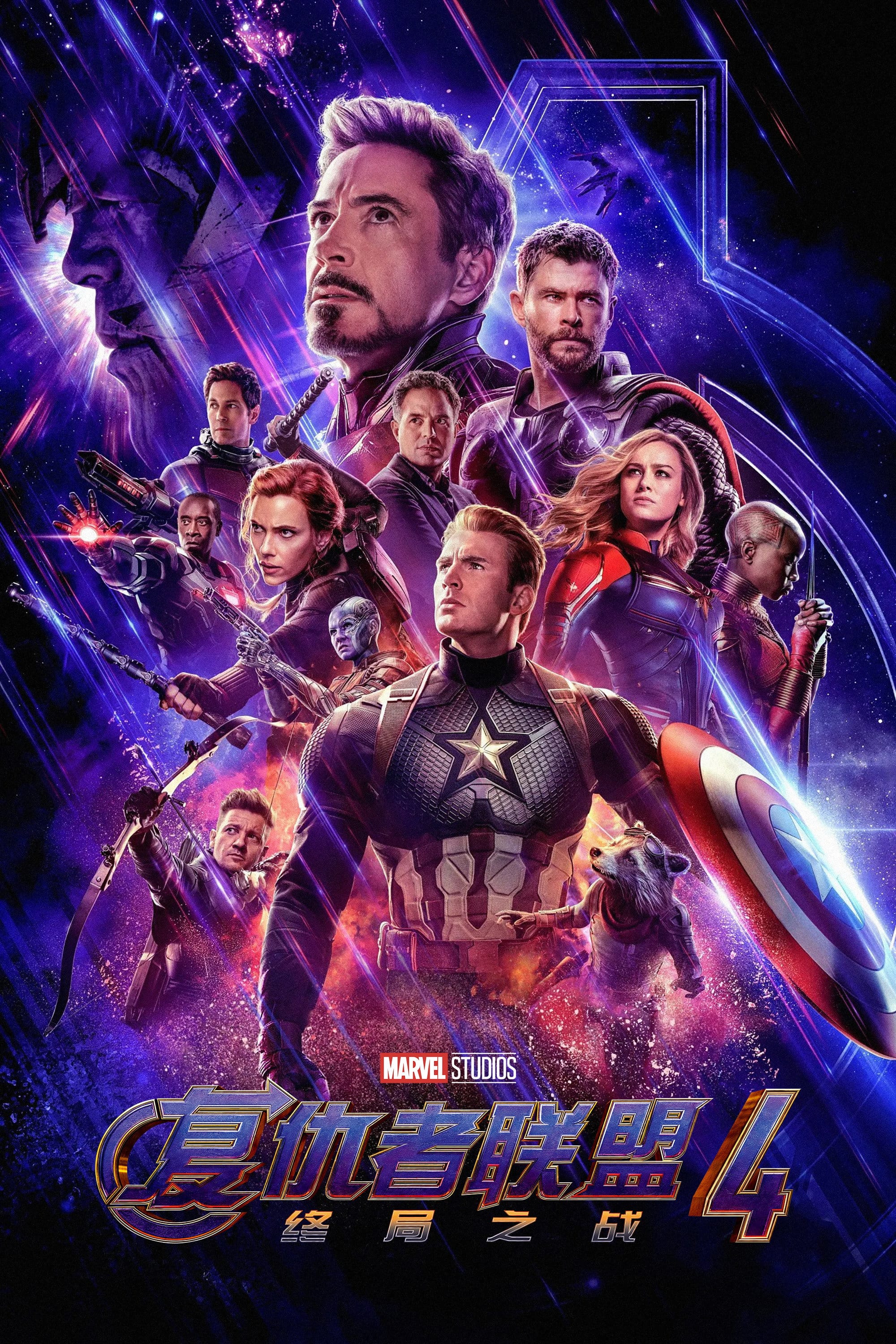
Because that is the real question. Endgame was not a film with unresolved loose ends. Its ambiguities were intentional. The five-year time jump, Tony Stark's death, Steve Rogers' closing chapter — these were conclusions, not cliffhangers. The Russo Brothers built a film with a genuine sense of ending, and that ending derived its power precisely from its finality. Adding footage that reorients the viewer toward Doomsday does not enrich the original film. It functionally subordinates it — transforms a full stop into an ellipsis, after the fact, without the consent of the artistic intent that made it work.
The "Infinity Vision" brand obscures this by making the experience feel like an upgrade. It is not an upgrade. It is a recontextualization in service of a sequel's commercial needs.
The MCU's Infrastructure Problem
To understand why this re-release exists, it is necessary to be honest about the state of the MCU since Endgame. The franchise has released a substantial volume of content across film and streaming — Eternals (2021), Thor: Love and Thunder (2022), Ant-Man and the Wasp: Quantumania (2023), The Marvels (2023), among others — and the cumulative effect has been narrative diffusion rather than escalation. The emotional throughline that made the Infinity Saga feel like a coherent story has not been replicated. Villains have been introduced and fumbled. The multiverse, intended as an expansive dramatic canvas, has produced diminishing returns with audiences who have grown visibly fatigued.
Avengers: Doomsday arrives, then, not as the organic crescendo of a well-managed build but as a course correction — an attempt to recapture the convergence energy of the Infinity Saga by returning to its original architects, the Russo Brothers, and by deploying Robert Downey Jr. in a new role as Doctor Doom. That is a significant gamble, and it requires the studio to manufacture the emotional stakes that six years of content should have accrued naturally. The Endgame Encore re-release is part of that manufacturing process. It is Marvel attempting to re-establish an emotional baseline it has allowed to erode.
The Audience Knows the Difference
There is a meaningful distinction between an audience that returns to a film because the film deserves to be seen again on a large screen, and an audience that returns because a studio has structured an incentive to do so. Both can fill theaters. Only one of them reflects genuine cultural vitality. The re-release of The Lion King (1994) decades after its original run, or the periodic IMAX returns of Interstellar (2014), draw audiences because the films themselves exert gravitational pull. The screens get filled by love for the object.
The Endgame Encore strategy is more complicated. There is undoubtedly real affection for the original film — it earned that affection honestly. But the new footage introduces a transactional element that muddies the emotional calculus. Audiences are being offered something genuinely sentimental while simultaneously being asked to perform a narrative function: to receive information that prepares them for Doomsday. The theater becomes a delivery mechanism for sequel setup dressed in the clothing of a celebration.
What It Means That This Is Necessary
The most revealing thing about Avengers: Endgame Encore is not what it adds to the film. It is what its existence implies about everything that came after the film. If the MCU's post-Endgame output had successfully built a new emotional architecture — if audiences were arriving at Doomsday already charged with investment in the characters and stakes being assembled — this re-release would be unnecessary. The fact that it exists, and that it is being deployed with this level of structural intentionality, is an admission that the work of the last six years did not fully accomplish what it needed to accomplish.
Studios have always used marketing to manufacture anticipation. What is unusual here is that Marvel is using the cinema itself — specifically, a revised version of its most beloved film — as the marketing instrument. That represents a new relationship between a studio and its own catalog: one in which past films are no longer fixed cultural artifacts but mutable assets, available for adjustment whenever future commercial needs require it.
That should unsettle anyone who cares about what these films are as objects, not just as products. Endgame meant something in 2019 because it was made to end. Reopening it — not out of artistic conviction, but out of franchise necessity — does not diminish what it was. But it does say, clearly and without ambiguity, what Marvel believes it is now: a platform, not a film. A version, not a work. A patch, pending the next release.
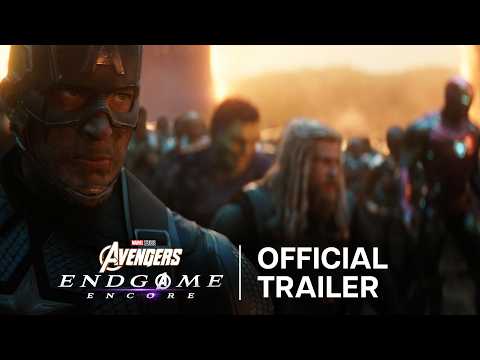 Official trailer