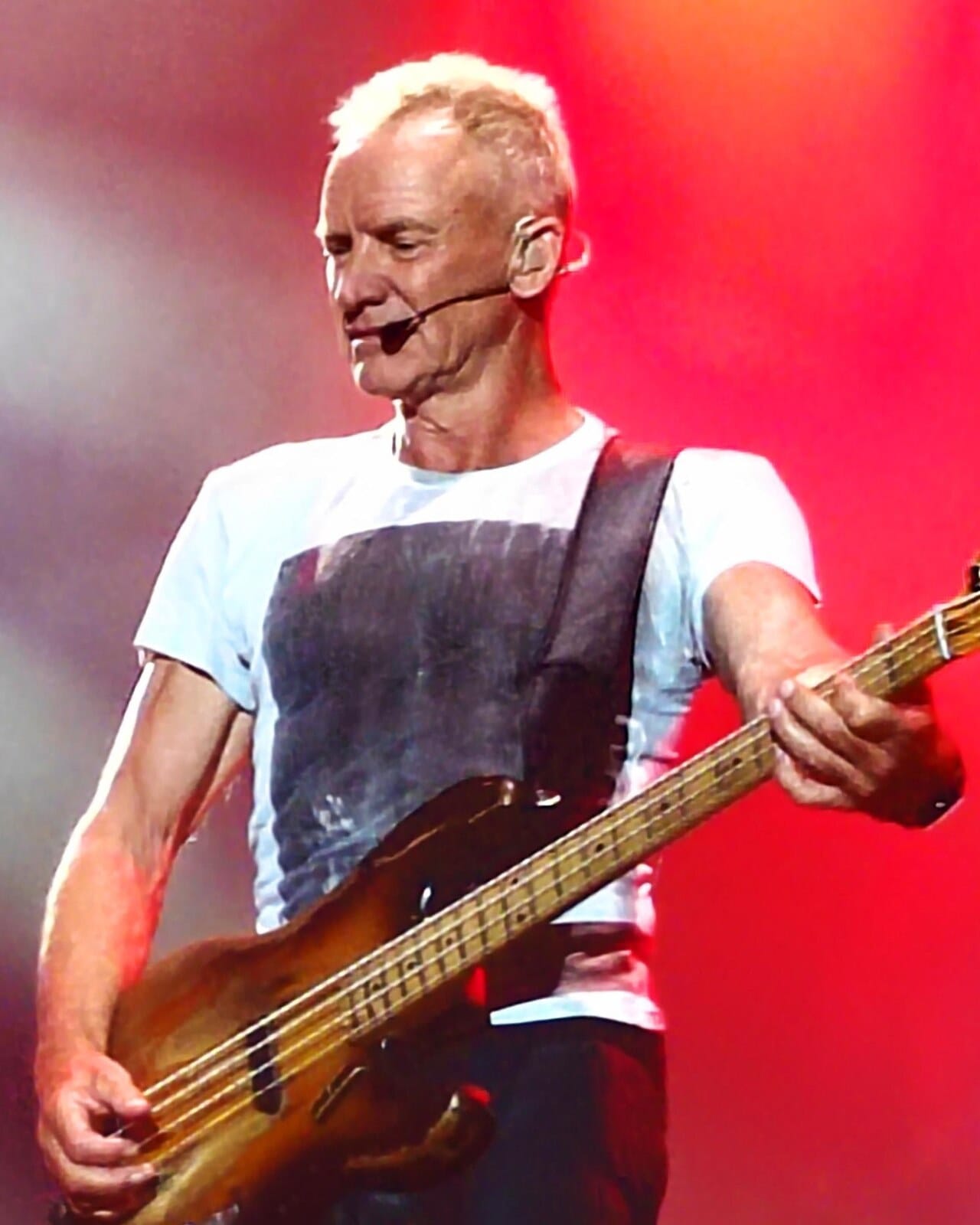
Gordon Matthew Thomas Sumner was born on October 2, 1951, in Wallsend, a shipbuilding town on the River Tyne where, as a child, he watched hulls rise at the end of his street. He turns 75 today as Sting, with 17 Grammy Awards, a Kennedy Center Honor, a Rock and Roll Hall of Fame induction, a North American tour starting in three days, and a lawsuit from his former bandmates still working its way through London's High Court. It is a fitting summary of a career that has always held art, money and argument in the same hand.
The Police, and the Song That Never Stops Paying
Sting fronted The Police from 1977 to 1984 as singer, bassist and principal songwriter, alongside drummer Stewart Copeland and guitarist Andy Summers. In seven years the trio went from punk-adjacent club band to the biggest group in the world, fusing reggae rhythms, jazz-trained musicianship and pop hooks on records like Reggatta de Blanc and Synchronicity. The latter gave the world "Every Breath You Take", a song that is still misread as a love song and still, by one widely cited estimate, earns Sting around $740,000 a year in royalties.
That income sits at the center of the dispute that has shadowed this anniversary year. In September 2025, Copeland and Summers sued Sting, arguing they had been underpaid "arranger's fees" on streaming income from the band's catalog. Sting's position is that streaming counts as public performance rather than sales, and therefore falls outside the band's 1997 and 2016 agreements. Before a January 2026 hearing, he paid them roughly $800,000; they claim between $2 million and $10.75 million is owed, and a full trial is expected. Few things say more about the music business in the streaming era than a band whose biggest hit is about surveillance arguing, in court, about how to count the listeners.
The Restless Solo Career
As a solo artist, Sting spent the late 1980s and 1990s trying to outrun the arena-rock template: jazz musicians on The Dream of the Blue Turtles (1985), political songwriting on ...Nothing Like the Sun (1987), the polished craft of Ten Summoner's Tales (1993), the global pop of Brand New Day (1999). Later came lute songs by John Dowland, a symphonic tour, a collaboration album with Shaggy and The Last Ship, a deeply personal musical about the Wallsend shipyards of his childhood, which is still traveling the world in new productions.
Not every experiment worked, and critics have spent decades rolling their eyes at his earnestness. But the restlessness is the point. Like Hans Zimmer or the late William Orbit, Sting belongs to a generation of British musicians whose real subject was craft: arrangement, texture and the refusal to repeat a formula, even a profitable one.
Seventy-Five, and Back to Three
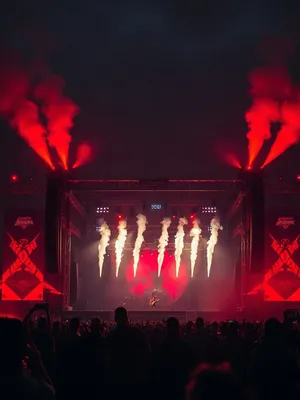
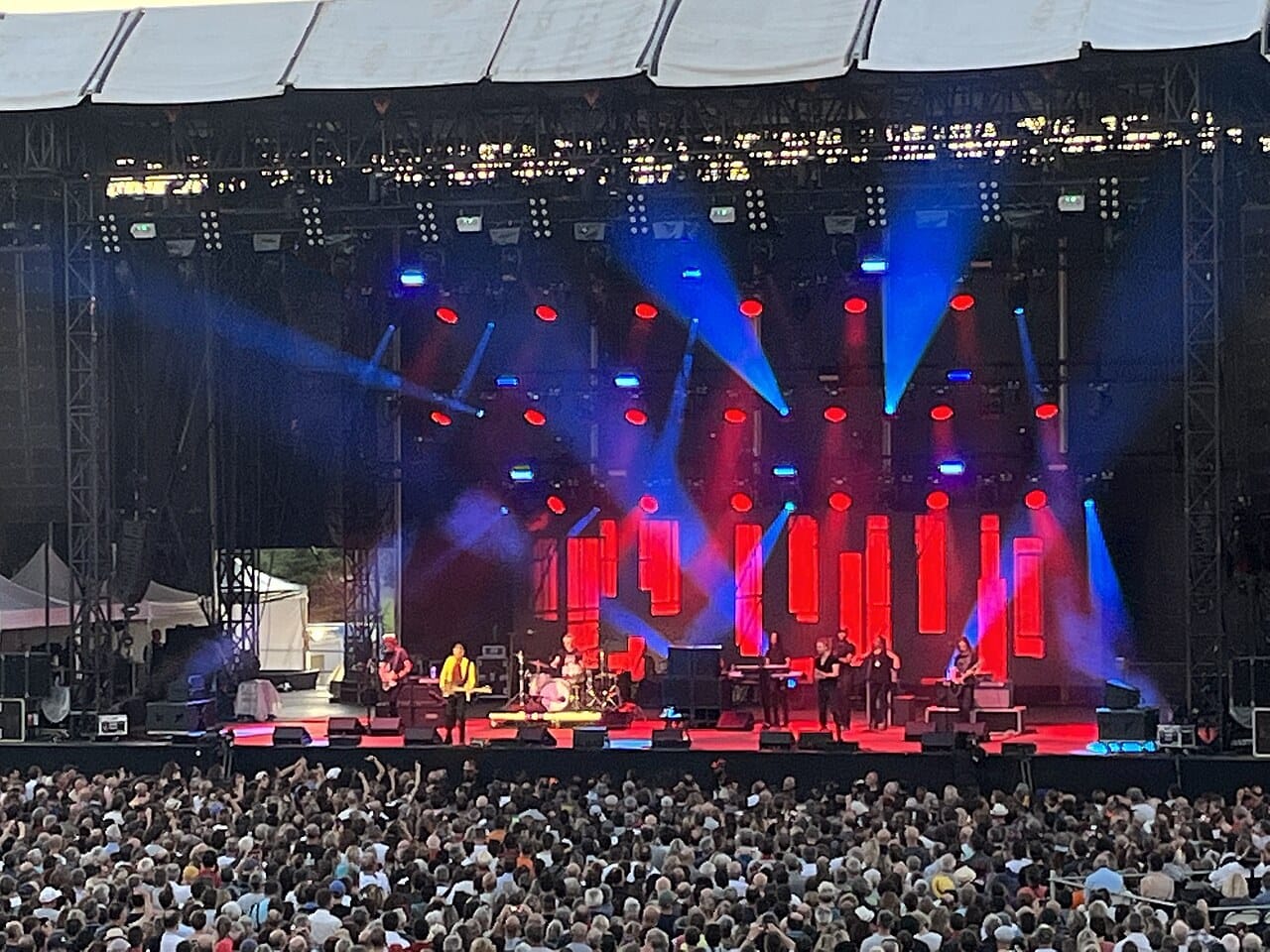
The most telling choice of this birthday year is the band he has chosen to celebrate it with. The current Sting 3.0 tour strips everything back to a trio: Sting on bass and vocals, his longtime guitarist Dominic Miller and drummer Chris Maas, playing Police songs and solo material in the same format that made his name in 1978. The fall North American leg opens with two nights at Vancouver's Queen Elizabeth Theatre on October 5 and 6 and runs through late November, including a residency at the Brooklyn Paramount.
There is something almost pointed about a 75-year-old touring as a power trio while litigating with the other two-thirds of the original one. But it is also the most honest tribute he could pay to his own history. The songs were written for three people in a room. Half a century after Wallsend, he is still playing them that way. His full discography is on Wikipedia, and tour dates are on sting.com.