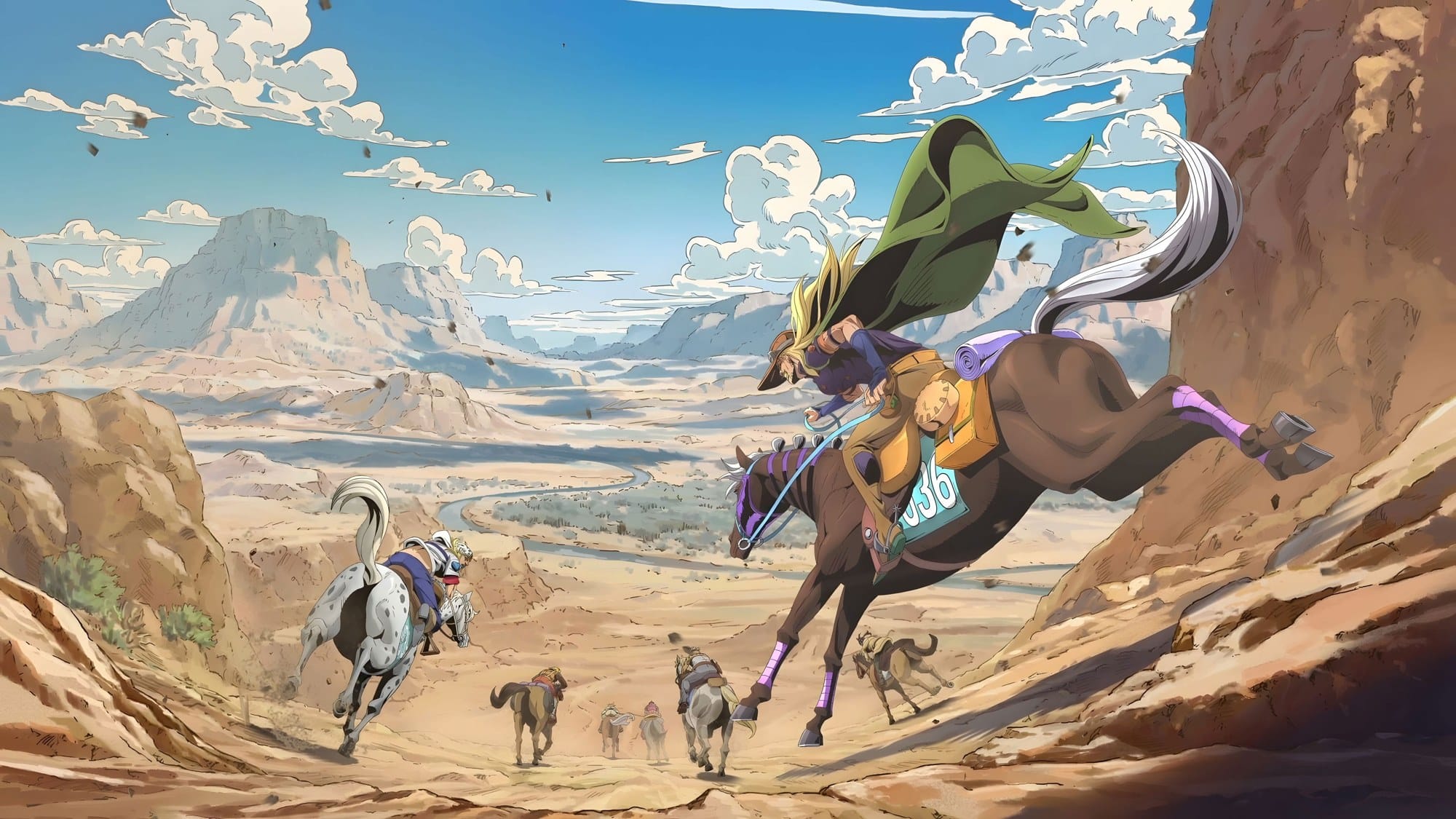
Steel Ball Run had barely survived one fan revolt before it walked into another. After months of pressure over its release schedule, Netflix began streaming the long-awaited JoJo's Bizarre Adventure adaptation weekly on September 25. Episode 2 introduced the series' ending theme. Within days, Netflix's social media replies — including on posts that have nothing to do with JoJo — were full of the same demand: change the outro.
The song is "Dead or Alive" (Shinukaikiruka), performed by Japanese rapper Yuki Chiba. The official credits list Chiba as lyricist, Lukasz Gottwald as composer and Dr. Luke as producer. Gottwald and Dr. Luke are the same person.
There are two separate complaints here, and they deserve to be separated.
A Tradition, Broken
The first complaint is about the music. For more than a decade, JoJo's anime endings have been one of the franchise's signatures: licensed Western rock and pop songs, often decades old, chosen in dialogue with creator Hirohiko Araki, whose manga is famously full of Western music references. Yes's "Roundabout" closed the 2012 series and became a meme in its own right. The Bangles, Savage Garden and Jodeci followed. The endings worked as a kind of editorial voice — a reminder that JoJo was always a conversation with pop culture outside Japan.
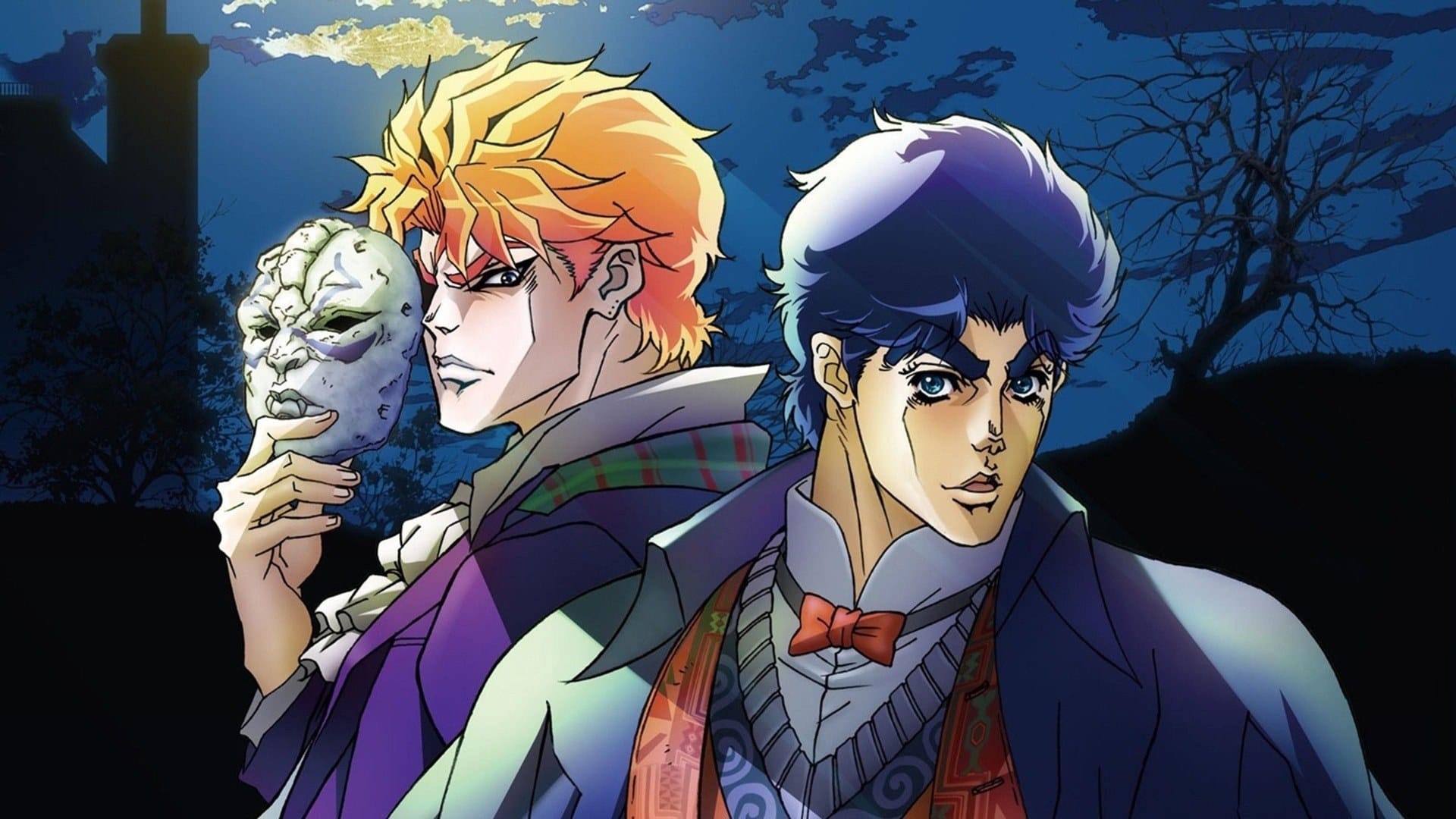
That tradition was shaped in large part by producer Hiroyuki Omori, who reportedly led the ending-song discussions with Araki through Part 6. Omori died in June 2024, before Steel Ball Run reached the screen. According to JoJo News, "Dead or Alive" is the first newly commissioned original song to serve as the anime's regular ending.
For a story set during a horse race across 1890s America, a modern rap track is a deliberate break. Some viewers call it a clash; a few defend it as a fresh sound. It is worth noting that the opening, "SPIN" by Kroi, has been widely praised — the objection is not to Japanese artists, but to losing what the endings used to mean.
The Credit That Changed the Conversation
The second complaint is about the producer. In 2014, the singer Kesha accused Dr. Luke of sexually assaulting her in 2005. He denied the allegation and sued her for defamation. The legal dispute ended in a settlement in 2023, with neither side admitting wrongdoing. His involvement in other artists' projects since then has repeatedly drawn backlash, and Steel Ball Run is the latest.
That is a legitimate concern for viewers to raise, and many have. But it has also spilled over. In Japan, some fans argue the reaction has become disproportionate, turning into attacks on Chiba himself and on Japanese hip-hop in general. An artist who did not choose his producer's reputation is absorbing much of the anger.
Why Netflix Is the Wrong Target
This is the part the reply-flooding misses. Netflix distributes Steel Ball Run; it did not make it. Like nearly every anime Netflix acquires, the series was financed and produced by a production committee — here led largely by Warner Bros. — and it is that committee, not the streaming platform, that controls creative decisions such as theme songs.
Netflix is the target because Netflix is visible. It has the global accounts, the recognisable logo and the reply buttons. The production committee is, by design, almost invisible to international audiences. That invisibility is the model's quiet advantage: when something goes wrong, the anger lands on the company that can do the least about it.
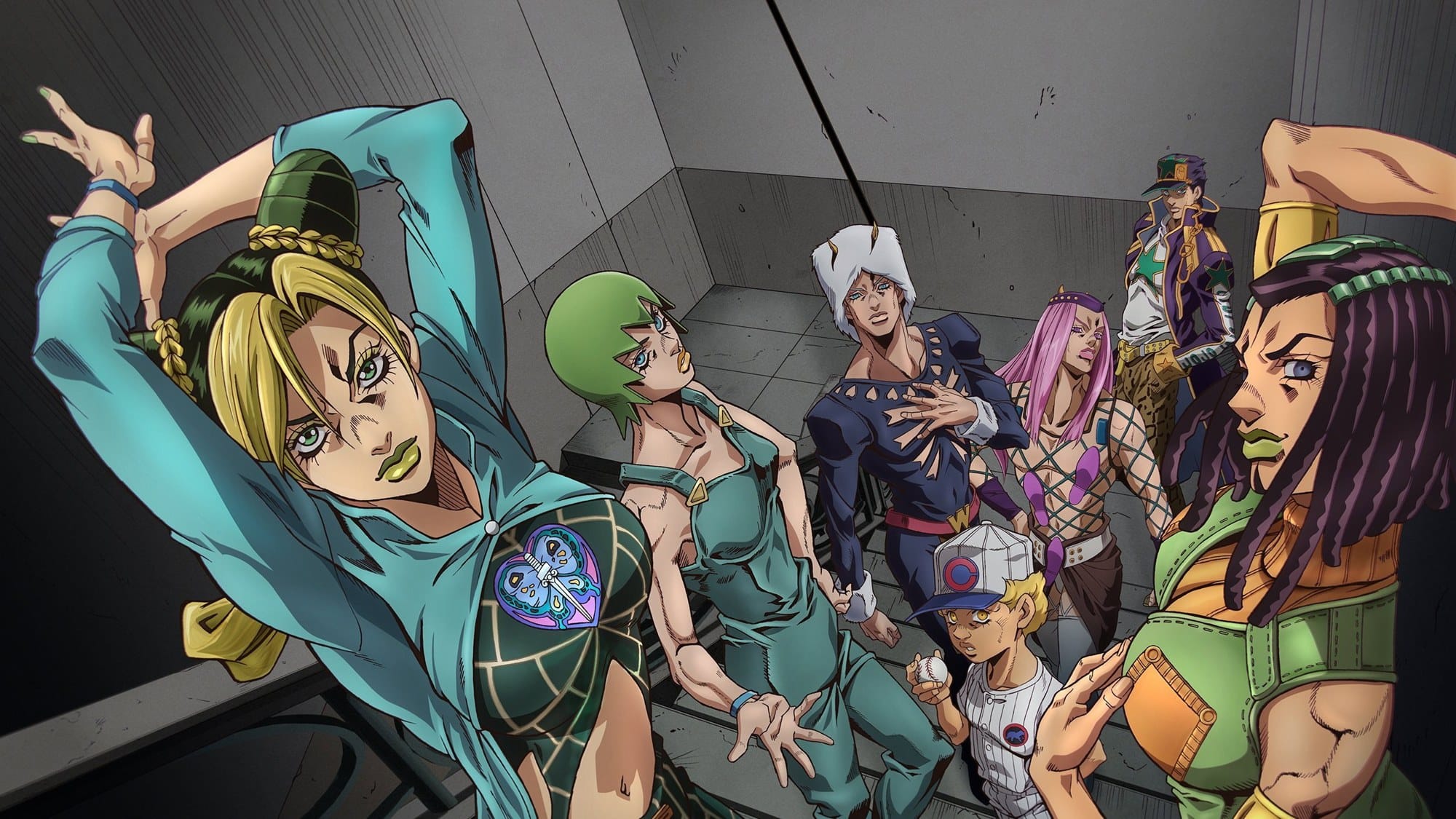
The same structure explains the earlier fight over the release schedule. International fans pressured Netflix, Netflix "responded," and the weekly rollout followed — but the decisions that shape the show are still made in rooms that global viewers never see.
What Happens Next
Changing an ending theme mid-run is rare but not impossible; anime endings are routinely swapped between cours. If the committee wants to calm the backlash, the second half of the season offers a natural exit. If it does not, the controversy will follow the series all the way to the finish line.
Either way, the episode reveals how much anime's global audience now wants a say in decisions it was never built to influence. Steel Ball Run is a story about a race across a continent, where nobody quite knows who is really pulling the strings. Its release has turned out to be the same story.