For three decades, Space Quest has been a name without a game. The last entry in Sierra On-Line's comic science-fiction series shipped in 1995; a seventh was started and abandoned; the rights drifted through the corporate afterlife of Sierra until they landed, with the rest of its catalogue, inside Activision. This week the name came back. What came back with it is a more complicated question.
On October 13, a New York company called MMMera, Inc. announced that it now holds a federal US registration for the SPACE QUEST mark in video game software — registration No. 8,064,494, issued by the US Patent and Trademark Office on December 16, 2025. According to the release, the registration followed the withdrawal of an opposition filed by Activision Publishing, which the Trademark Trial and Appeal Board dismissed with prejudice on November 25, 2025. Two days earlier, at the Portland Retro Gaming Expo, MMMera premiered the first teaser for what it calls an original Space Quest game, developed by its sister studio Guillotine Games. Both companies were founded by producer Marcus Mera.
A Name, Not a Janitor
The detail that matters most is who is missing. The Space Quest that people remember belonged to Roger Wilco, the hapless janitor created by Mark Crowe and Scott Murphy — the self-styled Two Guys from Andromeda — who saved the galaxy across six games between 1986 and 1995 largely by surviving his own incompetence. The new game does not star him. Its Steam page introduces Mayday McCoy, "a reluctant hero" travelling with an AI assistant called PAL 3000, and the press release stresses that the project has its own characters, story and creative direction.
The release does not explain why, but the simplest reading is a legal one. A trademark protects a name used to sell goods; it does not carry with it the copyrighted games, scripts and characters that made that name valuable. Activision's withdrawal cleared the way for MMMera to put SPACE QUEST on a box. It did not, on any evidence published so far, hand over Roger Wilco. What Guillotine Games is making is therefore something new: a comic space adventure that is allowed to use the most famous title in its genre.
Mera's stated intention is respectful. In the release he describes his regard for the history behind the name and the people who made the original games, and says the aim is to capture their humour, adventure and sense of discovery while giving the new game an identity of its own. His credentials are not those of an opportunist outsider: he worked as producer and artist on Cygnus Entertainment's Colossal Cave 3D alongside Ken and Roberta Williams, Sierra's founders, and is directing Mystery House 3D, a reimagining of Roberta Williams' 1980 game. The teaser also features the voice of Josh Mandel, a Sierra veteran who worked on the later Space Quest games and whose presence is the project's strongest thread back to the original.
The Problem Is the Art, Not the Lawyers
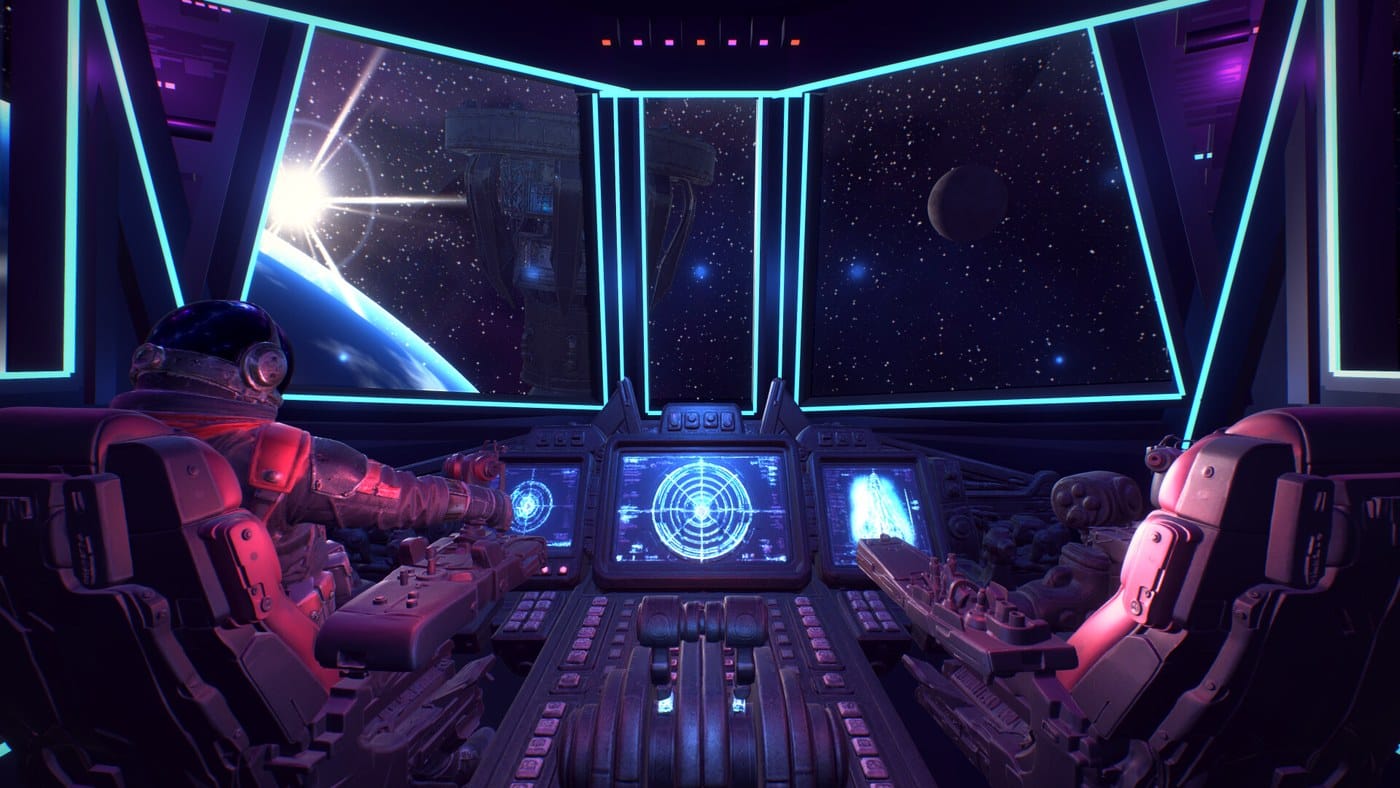
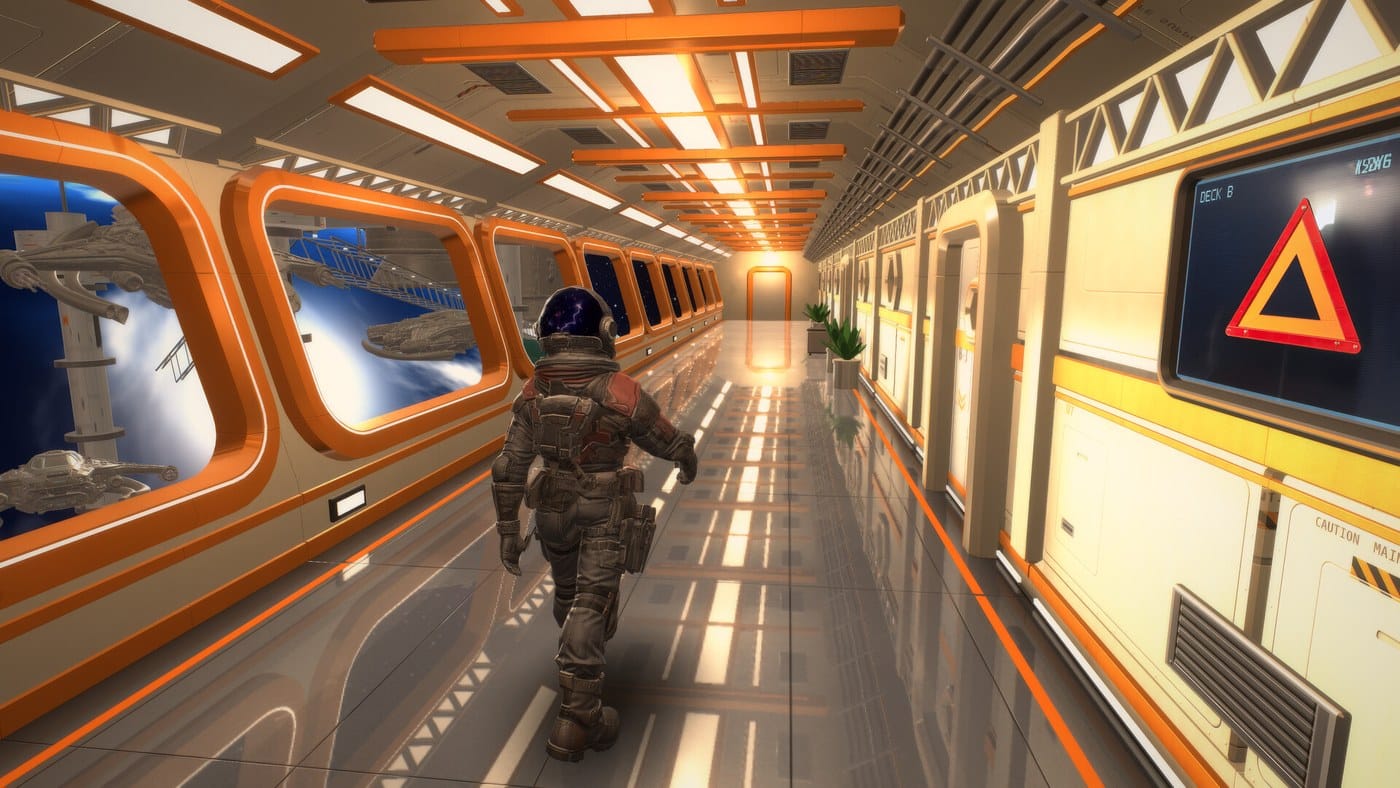
Where the reception has turned sour is not the trademark but the images. The Steam page carries the platform's AI disclosure, in the developers' own words: "Some marketing and key art was created with AI assistance." Adventure Game Hotspot, which reports a release as early as next year on Windows PC, notes that the realistic look of the early material is based on that AI-assisted art, and that there is no word yet on any involvement from Crowe or Murphy. In the comments beneath, several adventure-game fans said the AI use alone was enough for them to walk away. Mera replied there, confirming that some early promotional artwork was AI-assisted, saying the visuals are still being refined, and asking players to keep an open mind until gameplay is shown.
It is a fair request, and an awkward position. Sierra's adventure games were defined by a particular craft identity — hand-drawn and hand-painted backgrounds, pixel artists and illustrators whose names fans still know. Reviving that brand while leading with machine-assisted marketing art invites exactly the suspicion it has received. The same week, a studio of former Disco Elysium developers announced a certificate to prove its game contains no generative AI art at all. The adventure audience is small, loyal and unusually attentive to how things are made; the argument over authorship that has reached literary prizes was always going to reach it too.
What Revival Means Now
Dormant game franchises are increasingly being reopened from the side door. Konami's Castlevania: Belmont's Curse came back through an outside studio, Evil Empire, working with the rights holder. Space Quest is coming back through a trademark office, after the owner stepped aside. Those are very different licences, and players will judge them differently. The first borrows a legacy; the second has to build one under a borrowed name.
That is not impossible. A comic adventure with a good script, sharp puzzles and Josh Mandel's timing could earn its title on its own merits, and Crowe and Murphy have already shown with their own crowdfunded spiritual successor, SpaceVenture, that the spirit of the series can live outside its brand. But the burden of proof has shifted. For most of its history, Space Quest was a promise that a certain kind of joke, written by certain people, was inside the box. Now it is a registered mark. Guillotine Games will have to show what it stands for.