Most game announcements sell what a game contains. Longdue's latest one also sells what it doesn't. On October 13, the London studio behind Hopetown — a narrative cRPG from a team that includes former Disco Elysium developers — announced two things at once: a playable pre-alpha arriving within three months, and a "Certificate of Human Creation," a process for documenting that the game's art, writing and music were made by people. The first is a production milestone. The second is an argument, and it is the one that will travel further.
 Official trailer
What the Pre-Alpha Actually Is
The milestone deserves precision, because the headline version — "playable in three months" — overstates it. The pre-alpha is not a public demo. It will be distributed through Steam to Kickstarter backers at the Builder and Visionary tiers, for a limited feedback period. Backers already at those tiers as of October 15 are due to receive it by December 1, 2026. New backers who join before November 1 will get it within 90 days of the campaign closing, which puts the latest delivery in January 2027. Two new limited tiers have been added to drive that late push: a 500-backer Quicksilver Edition with an in-game outfit and a name in the game's newspaper, and a 15-backer Art Patron tier that adds a hand-drawn portrait.
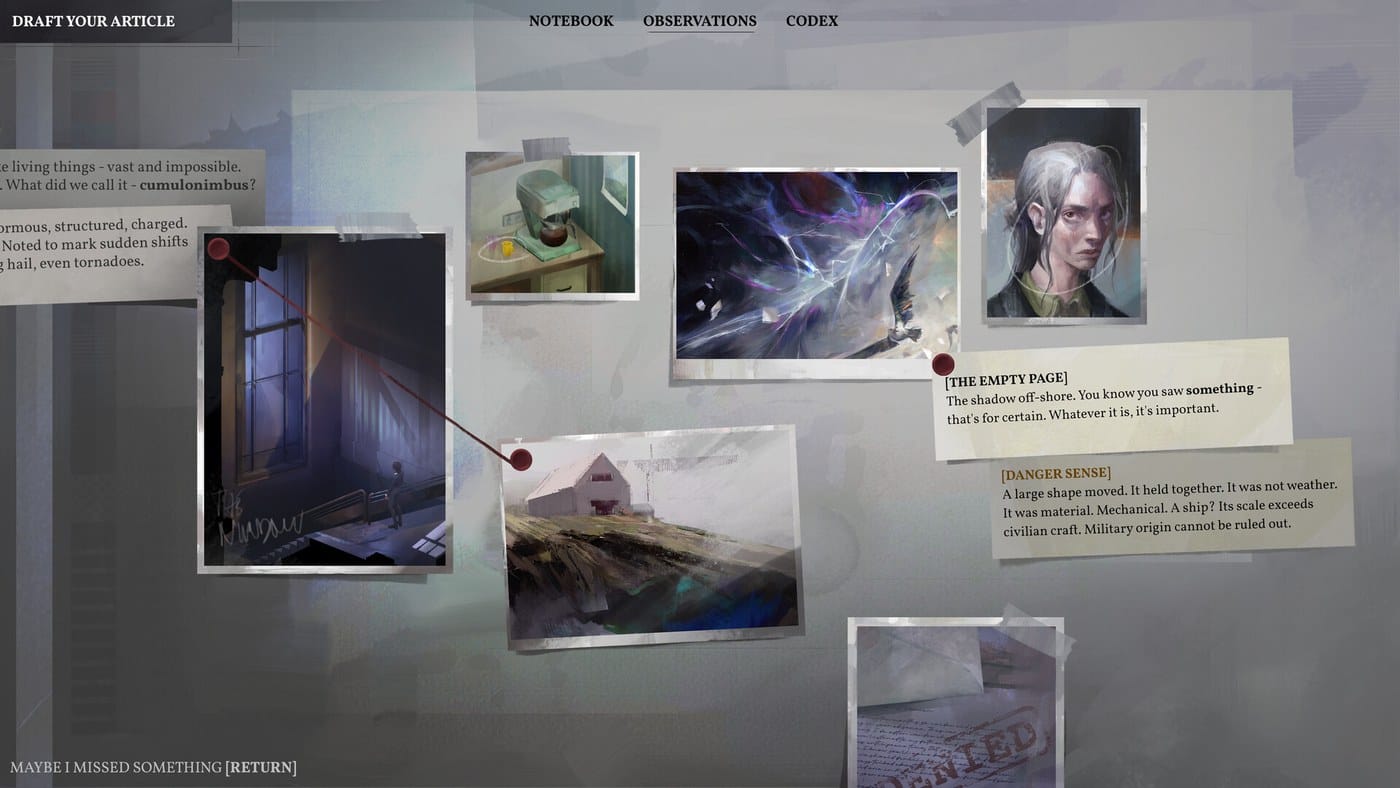
What those backers get is substantial for a build this early. According to the studio, the pre-alpha contains more than 300,000 words of dialogue, around five hours of play, interior locations plus part of the open town, two recruitable companions, 40 NPCs and ten side quests, covering the Prologue and Chapter 1. The point is feedback on the systems that define the game — publishing, interviewing and evidence collecting — and some things, such as choosing the protagonist's gender, are not yet in.
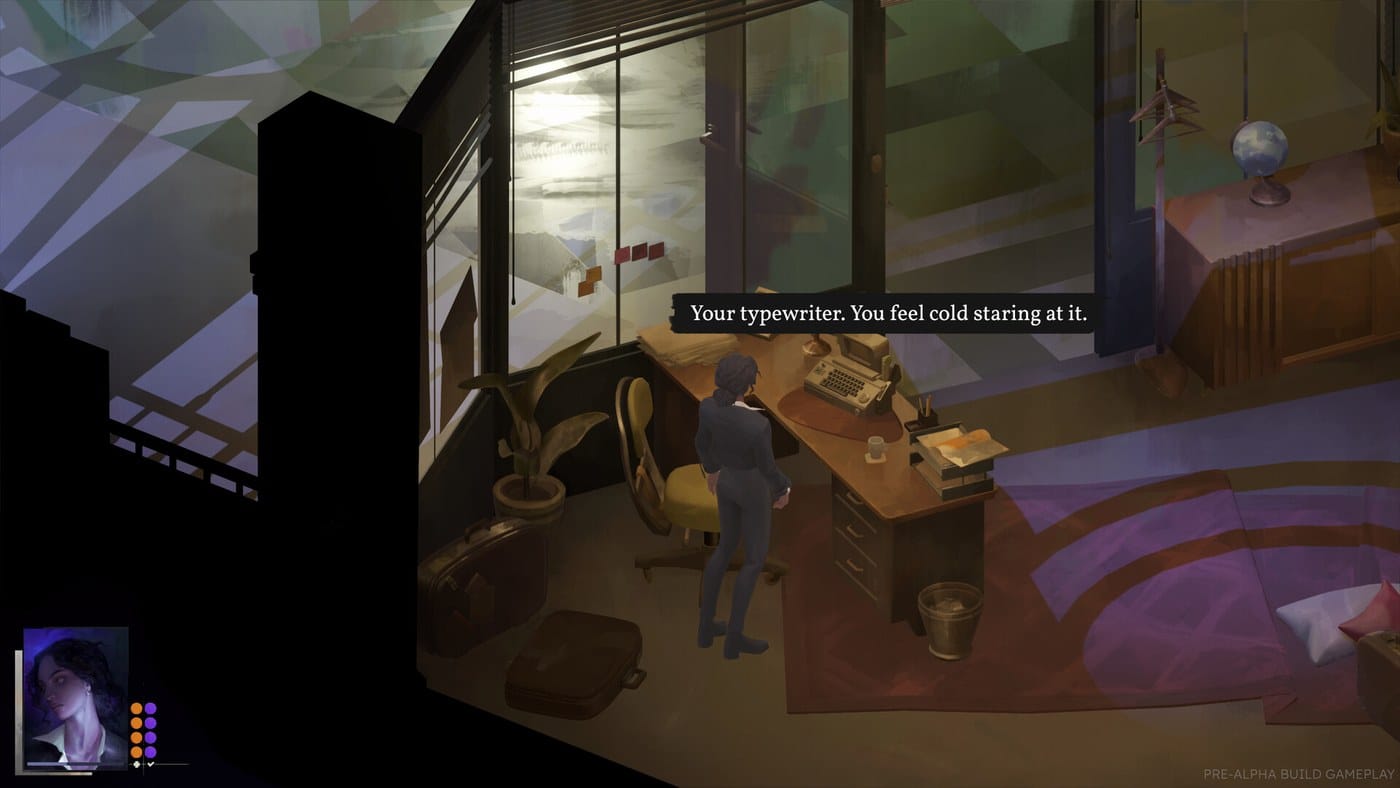
The premise is familiar territory for anyone who played Disco Elysium (2019), and pointedly different from it. Hopetown is set on Eastern Entre, a fictional mining island living in the aftermath of "The Flare," a solar event that knocked out electronics worldwide. You play a graduate journalist rather than a broken detective, choosing between three classes — Correspondent, Columnist and Gonzo — and the work is reporting: interviewing, gathering evidence, deciding what to print. The team named in the release includes narrative lead Martin Luiga, writer and editor Olga Moskvina, software developer Veljo Hagu, and Lenval Brown, whose voice as Disco Elysium's narrator is one of the most recognisable in modern games. Longdue says the game is nearing 100,000 Steam wishlists; its first Kickstarter, in spring 2025, closed at 450% of its goal.
The Certificate as a Statement
Longdue has already published a policy committing to no generative AI in the creation of the game's art. The Certificate of Human Creation goes a step further: a log of human creative stages across art, writing and music, which the studio intends to release as a template for other developers. It is, in effect, a provenance record — the kind of documentation that photographers and illustrators have started keeping for themselves as AI-generated images make authorship harder to assume.
It is worth being clear about what it is not. The certificate is self-administered; no independent body issues or audits it, and its value depends on the studio's own honesty. It is also scoped to creative output, not to every tool in a modern pipeline. But its significance is less technical than cultural. For a team whose previous work was celebrated precisely for the density of its human voice — painted portraits, a narrator, a million words of authored text — declaring that voice as a feature is a coherent brand position, and a labour position too. Longdue frames the commitment as protecting jobs and keeping generative AI out of art.
Same Week, Opposite Bet
The timing makes the contrast unavoidable. In the same Games Press bulletin, MMMera announced a new Space Quest whose Steam page discloses that some marketing and key art was made with AI assistance — and whose reveal has been met, in part, with fans saying that disclosure alone is a reason to stay away. Two small studios, both trading on the memory of beloved adventure games, have made opposite choices about the same question. The audience reaction to each is the most useful market signal the genre has produced this year.
That reaction mirrors a wider shift. As the dispute over the 2026 Caine Prize showed, detection is unreliable and accusation is cheap; what creators increasingly need is a way to show their work rather than defend it after the fact. A process log is one answer. It will not settle every argument, but it shifts the burden in the right direction.
The Real Test
None of this will matter if the writing does not land. Disco Elysium's reputation was built on prose, not principles, and Hopetown will be judged the same way: on whether its journalism mechanics produce stories worth reading, and whether a newsroom on a dying island can carry the moral weight its predecessor found in a hungover cop. The pre-alpha, five hours and 300,000 words of it, is where that judgement starts. Longdue has made a promise about how the game was made. In December, a few thousand backers find out what it says.