Thirteen years is a long time to sit with an ending you don't fully understand. Puella Magi Madoka Magica: Walpurgisnacht Rising (2024) arrives in that strange cultural territory where a sequel is no longer just a continuation — it is an event, a verdict, a mirror held up to every interpretation, every fan theory, every argument about what Homura Akemi actually did at the end of Puella Magi Madoka Magica: The Movie — Rebellion (2013). The film doesn't just have to be good. It has to be right — and those are two entirely different burdens.
The Weight of Rebellion's Unresolved Exit
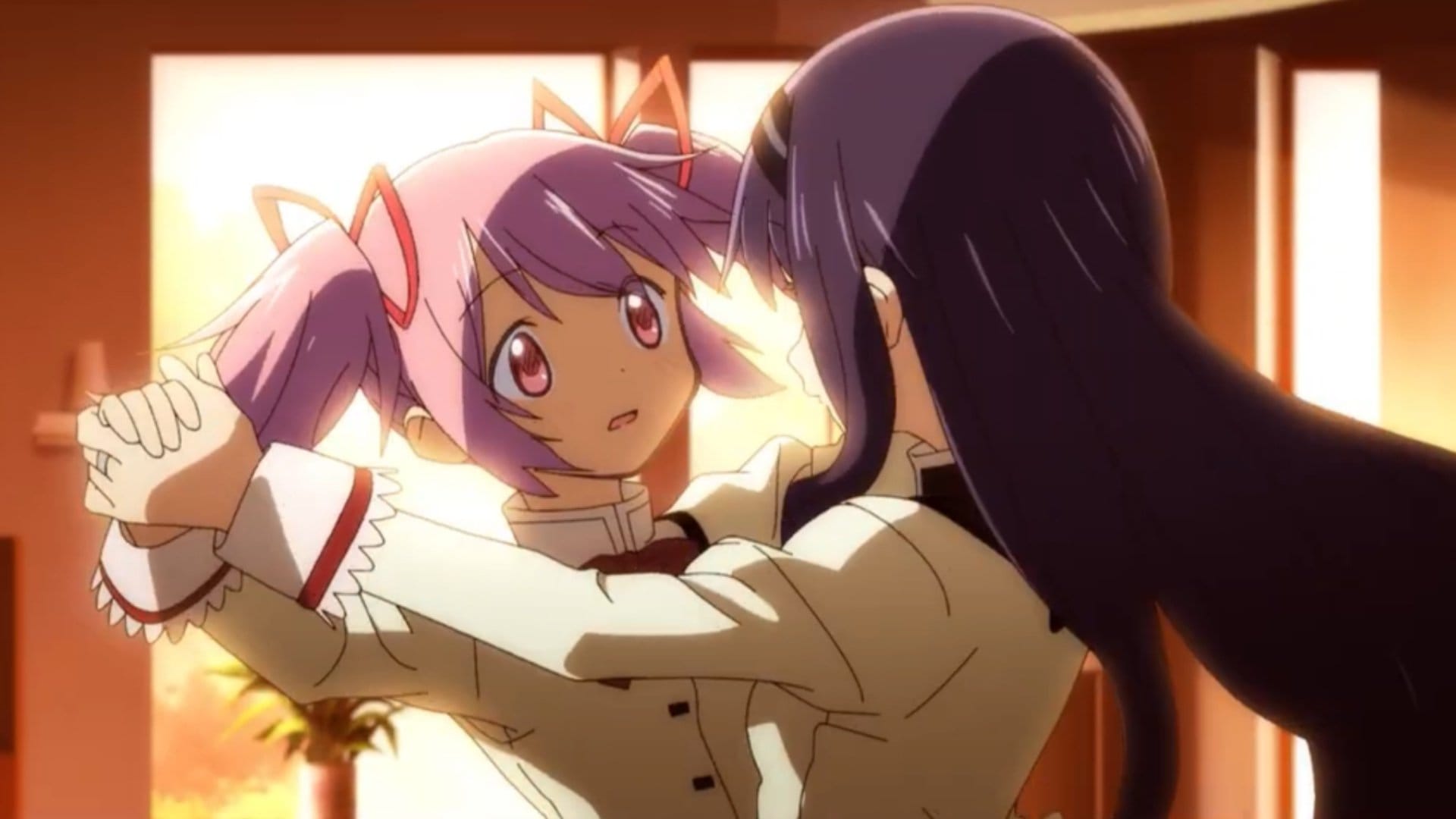
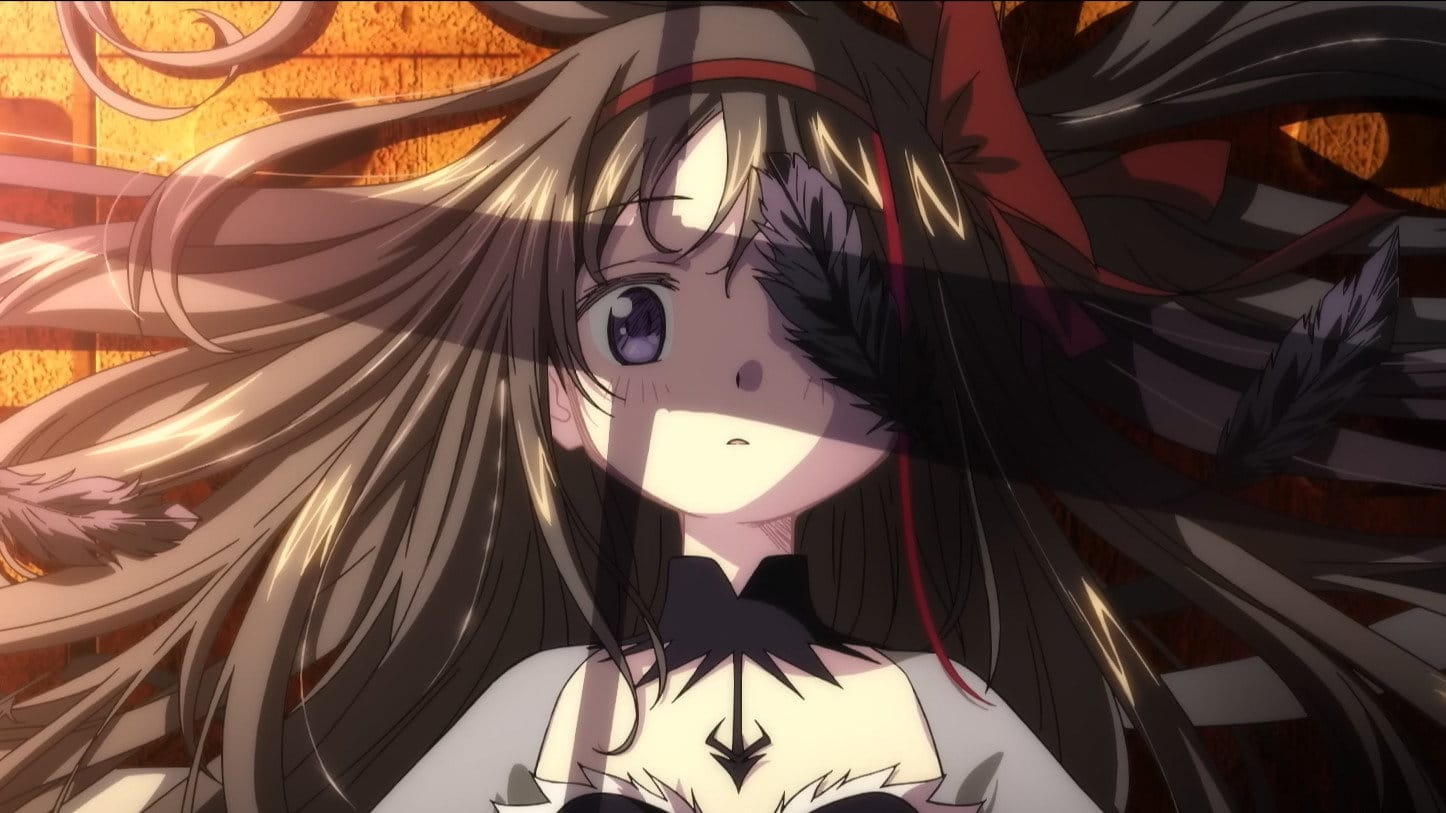
Rebellion was, by any honest reading, a provocation. Director Akiyuki Shinbo and writer Gen Urobuchi handed audiences a film that ended with its protagonist — if Homura can still be called that — committing an act of cosmic, loving tyranny. She dismantled a god's sacrifice, rewrote reality around her obsession, and smiled doing it. Viewers left theaters in 2013 with no resolution, only an image: Homura in devil's wings, Madoka restrained, the world bent to the shape of one girl's grief. That image has had eleven years to calcify into mythology.
What that kind of wait does to a fandom is not passive. Communities don't simply preserve a text — they metabolize it, argue over it, rebuild it in fanfiction and art and heated forum threads until the original work becomes something closer to shared folklore than a fixed artifact. The Madoka fandom spent over a decade constructing elaborate scaffolding of meaning around Rebellion's ambiguities. Walpurgisnacht Rising must now enter that architecture not as its owner, but almost as a guest.
Anime's Complicated Relationship With Its Own Legacies
This dynamic is not unique to Madoka, but few franchises have weaponized delay quite so effectively — or so accidentally. Neon Genesis Evangelion's decades-long Rebuild cycle offered a case study in how revisitation can both honor and estrange an original. The Rebuild films, culminating in Evangelion: 3.0+1.0 Thrice Upon a Time (2021), functioned as a kind of therapeutic renegotiation between Hideaki Anno and his work. Whether audiences accepted or resisted that renegotiation depended almost entirely on what they needed the original to have meant. Walpurgisnacht Rising operates under comparable pressure: Urobuchi returning to a world that has, in the interim, become something larger than any one author's intention.
The stakes are also inseparable from where anime stands in 2024. The medium is no longer a niche concern metabolized slowly through Western fandom pipelines. It is global, immediate, algorithmically distributed — which means legacy titles carry a different kind of gravity than they once did. A new Madoka film is not just an event for the community that lived with Rebellion since 2013; it is an entry point for viewers who encountered the franchise through retrospective streaming, YouTube essay culture, or simply the osmotic awareness that this matters. Two audiences, divergent needs, one film.
What Walpurgisnacht Rising Actually Has to Do
Strip the mythology away and the structural problem is concrete: Walpurgisnacht Rising inherits a narrative left in deliberate moral freefall. Homura's act at the end of Rebellion was not a cliffhanger in the conventional sense — it was a question about the ethics of love, about whether obsession and care are distinguishable at their extremes. A sequel cannot simply resolve that question without betraying it. But it also cannot ignore it without betraying the audience that spent thirteen years holding it.
The original 2011 television series earned its reputation by treating grief and sacrifice with structural integrity — the magical-girl framework was never decoration; it was the argument. Madoka's ultimate choice meant something because the show had established that choices cost something real. Rebellion complicated that by suggesting the cost might be paid by someone else, someone who loved you enough to steal your martyrdom back. Walpurgisnacht Rising steps into that space asking whether love, even the most catastrophic form of it, can find a shape that doesn't require a victim.
That is not a question with a clean answer. It is, however, exactly the right question for a franchise that has always understood that the most honest stories don't end in triumph — they end in transformation, which is messier, quieter, and harder to merchandise.
The Referendum
What thirteen years of waiting ultimately produces is not just anticipation. It produces a fandom that has, in some fundamental sense, already written the sequel in aggregate — across countless headcanons, analyses, and acts of imaginative labor. The film that arrives is always in dialogue with the film the community spent a decade imagining. Walpurgisnacht Rising will be measured not only against Rebellion but against all of that invisible work.
That is a peculiar kind of pressure. It is also, arguably, proof of exactly what made this franchise worth waiting for.