The announcement itself was three lines long. On Monday, Viz Media confirmed that Naruto will return to television with a new anime "limited series," and that everything else — story, format, release window — will be revealed at a New York Comic Con panel titled "NARUTO: What's Next?" on October 10. The date is not an accident. October 10 is Naruto Uzumaki's birthday.
 Official trailer
Junko Takeuchi and Noriaki Sugiyama, the Japanese voices of Naruto and Sasuke for more than two decades, will be on stage, alongside Studio Pierrot's Yoshihiro Tominaga, who also serves as an executive producer at Pierrot Films. Bandai will use the same panel to show new footage of the Naruto card game ahead of its global launch in 2027.
That is all we know. But the single most revealing word in the announcement is the one Viz chose to put in quotation marks: limited.
The Franchise That Never Stopped
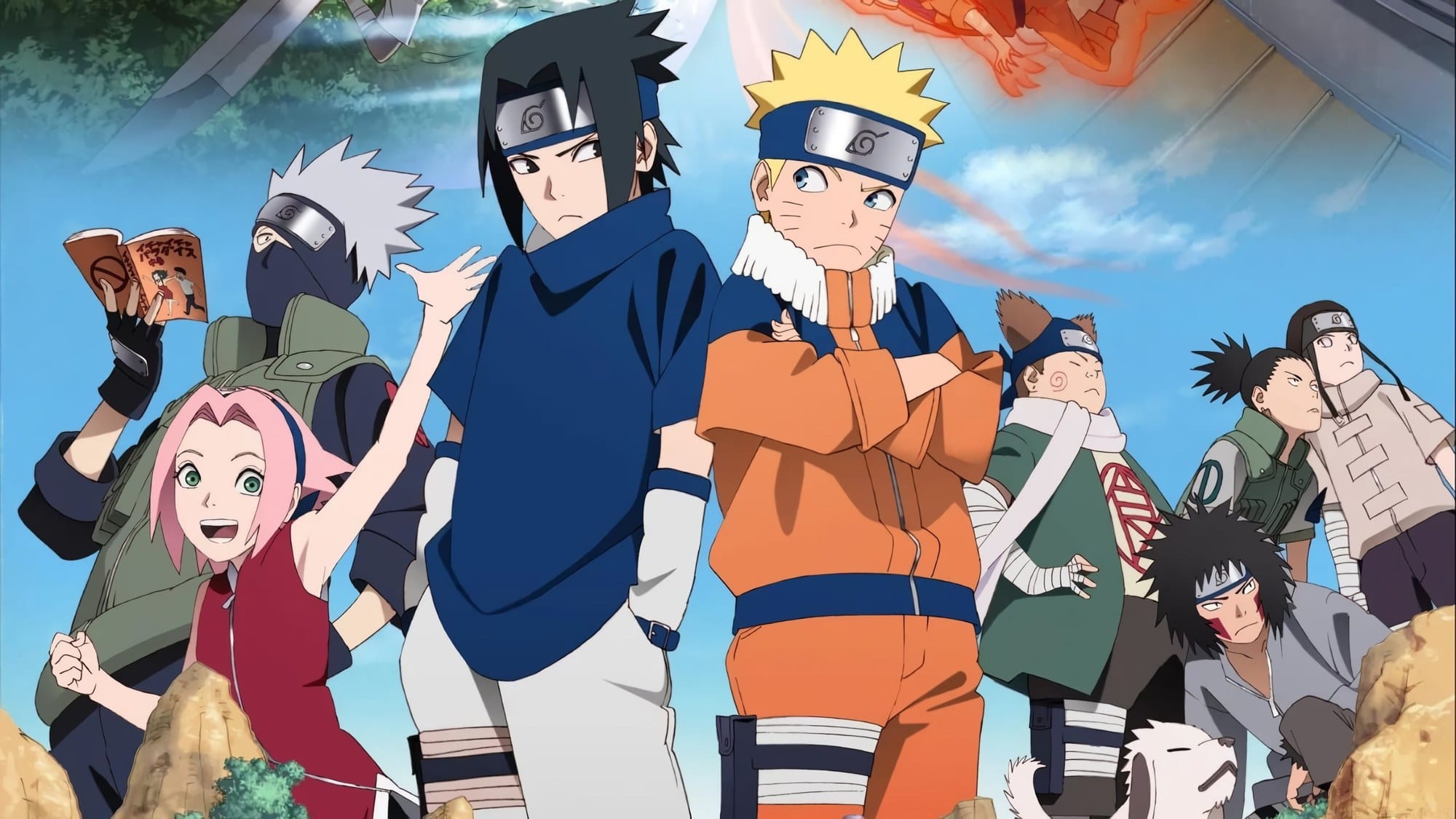
For most of its life, Naruto on television was the opposite of limited. The original Naruto (2002) ran for 220 episodes. Naruto: Shippuden (2007) ran for 500, finishing in March 2017. Its successor, Boruto: Naruto Next Generations) (2017), added another 293 before pausing in March 2023, with a second part still described as "in development."
That is more than a thousand episodes of weekly television, built on the long-running shōnen model: an open-ended broadcast that follows the manga, pads itself with filler when it catches up, and treats continuity as a promise that the show will simply always be there. For a generation of viewers outside Japan, Naruto was not a series you finished. It was a place you lived.
A limited series is a different contract. It has an ending built in from the first episode. It promises density rather than duration. And it is the format prestige television has spent a decade teaching audiences to value above the endless weekly grind.
The Project That Disappeared
This is not Naruto's first attempt at a comeback. In March 2023, Studio Pierrot announced four new episodes to mark the anime's 20th anniversary, scheduled for September of that year. A few weeks before release, the episodes were postponed "to improve the quality" of the production. No new date followed. For three years the project simply vanished, a promise with no calendar attached.
Whether the new limited series is that same four-episode project, rebuilt, or something new entirely is the first thing the NYCC panel needs to answer. Several outlets assume it is the 2023 project; Viz has not said so. What we do know is the new framing. TV Tokyo president Hiroshi Yoshitsugu has positioned the franchise's 25th anniversary in 2027 as "the beginning of a new stage," with animation and games developed by new partners. A limited series fits that sentence far better than a return to weekly episodes would.
Why "Limited" Is the Right Word for 2026
The timing lands in a revealing week. One Piece — the only shōnen franchise whose longevity rivals Naruto's — has just confirmed its anime will pause and return in 2027, a decision that reopens every question about how long an animation studio can sustain a weekly series without breaking the people making it. We wrote about how that announcement cut through a Fall 2026 season that had already been pre-watched through early access.
The industry is quietly learning that its oldest model is also its most punishing one. The weekly shōnen broadcast was built for a world of linear television slots, cheap filler and seemingly inexhaustible production capacity. None of those conditions still hold. A limited series is what you make when you want the franchise's audience without the franchise's production debt.
There is also a simpler commercial logic. Nostalgia is most valuable when it is scarce. A thousand episodes of Naruto already exist on every major streaming service; a handful of new ones becomes an event precisely because there are so few. The limited format turns the franchise's size from a burden into a premise.
What the Panel Has to Answer
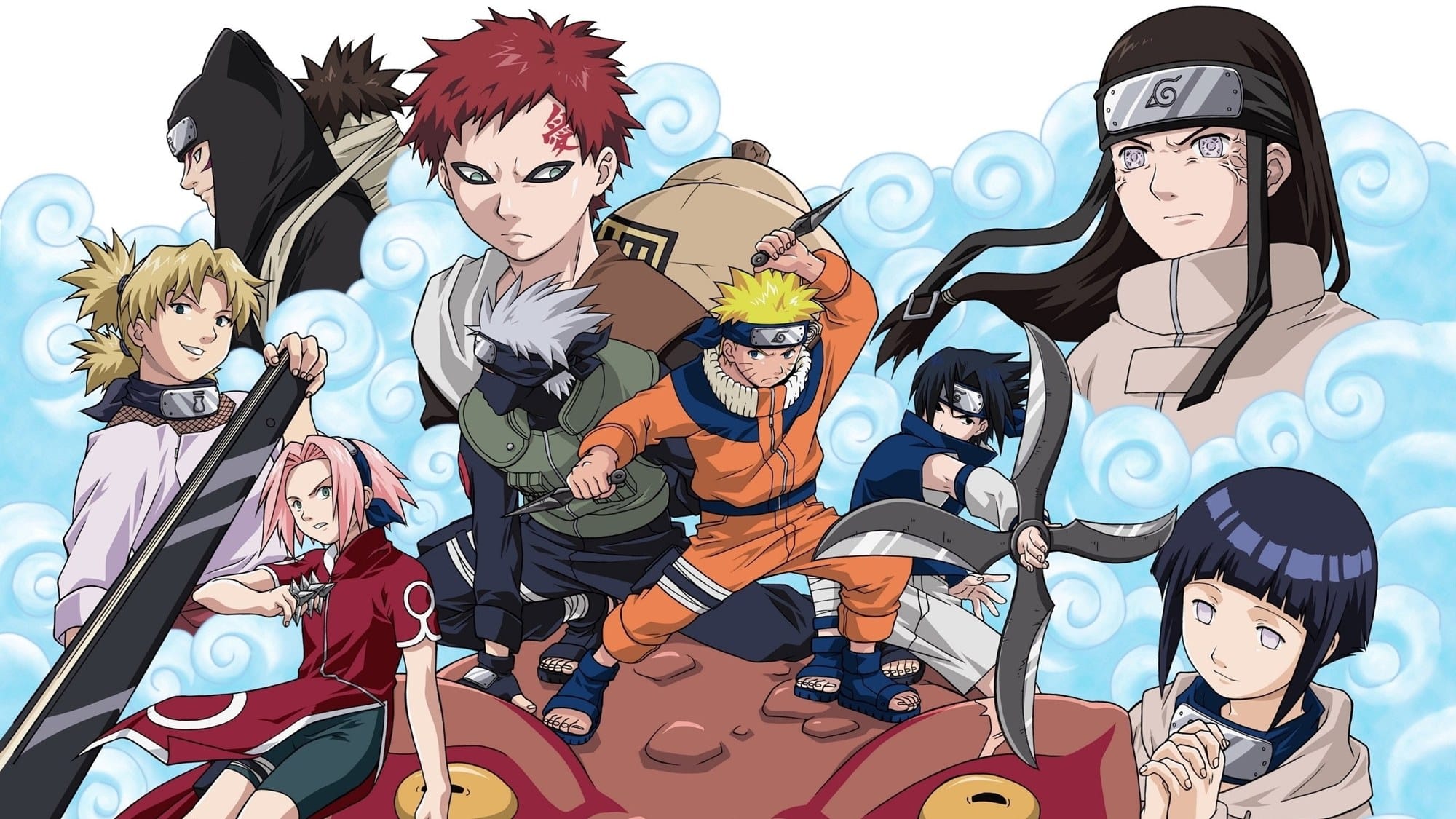
The risk is that "limited" becomes a euphemism rather than a design choice. If the series is a short, well-produced return to the early Team 7 era — the version of Naruto most viewers remember most fondly — it could be the rare anniversary project that justifies itself. If it is a stopgap filling the space between Boruto instalments, fans will notice quickly.
The franchise is also stretching in other directions at once. A live-action Naruto film is in development with Destin Daniel Cretton (Shang-Chi and the Legend of the Ten Rings) attached to direct and Avi Arad producing. Between the live-action film, the card game, the anniversary and a limited anime, Naruto is being rebuilt as a portfolio rather than a broadcast.
On October 10, Viz will tell us what the series is. The more interesting question is what it says about the medium: that even anime's most inexhaustible franchise now sees an ending as a selling point.