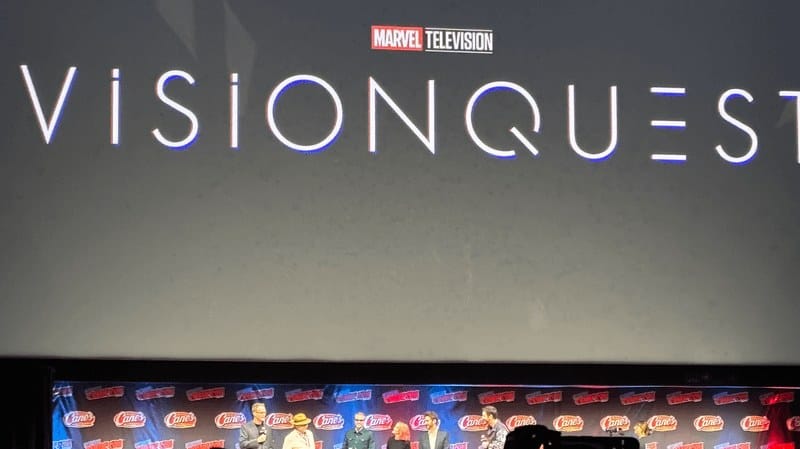
Marvel's Television and Animation panel at New York Comic Con on Thursday, October 8, was supposed to be a celebration. Charlie Cox walked out with Krysten Ritter and Finn Jones, the Defenders reunion that fans had been reading into set photos for months was finally confirmed, and then the room learned the price: the third season of Daredevil: Born Again will be its last. The audience booed. A few minutes later, the same stage screened the full first episode of VisionQuest, which arrives on Disney+ this Wednesday, October 14.
Put those two moments side by side and you have the clearest picture yet of how Marvel now thinks about television. One show is ending at the height of its fan goodwill. The other is beginning as the third chapter of a story Marvel has already proven it can sell.
What was announced
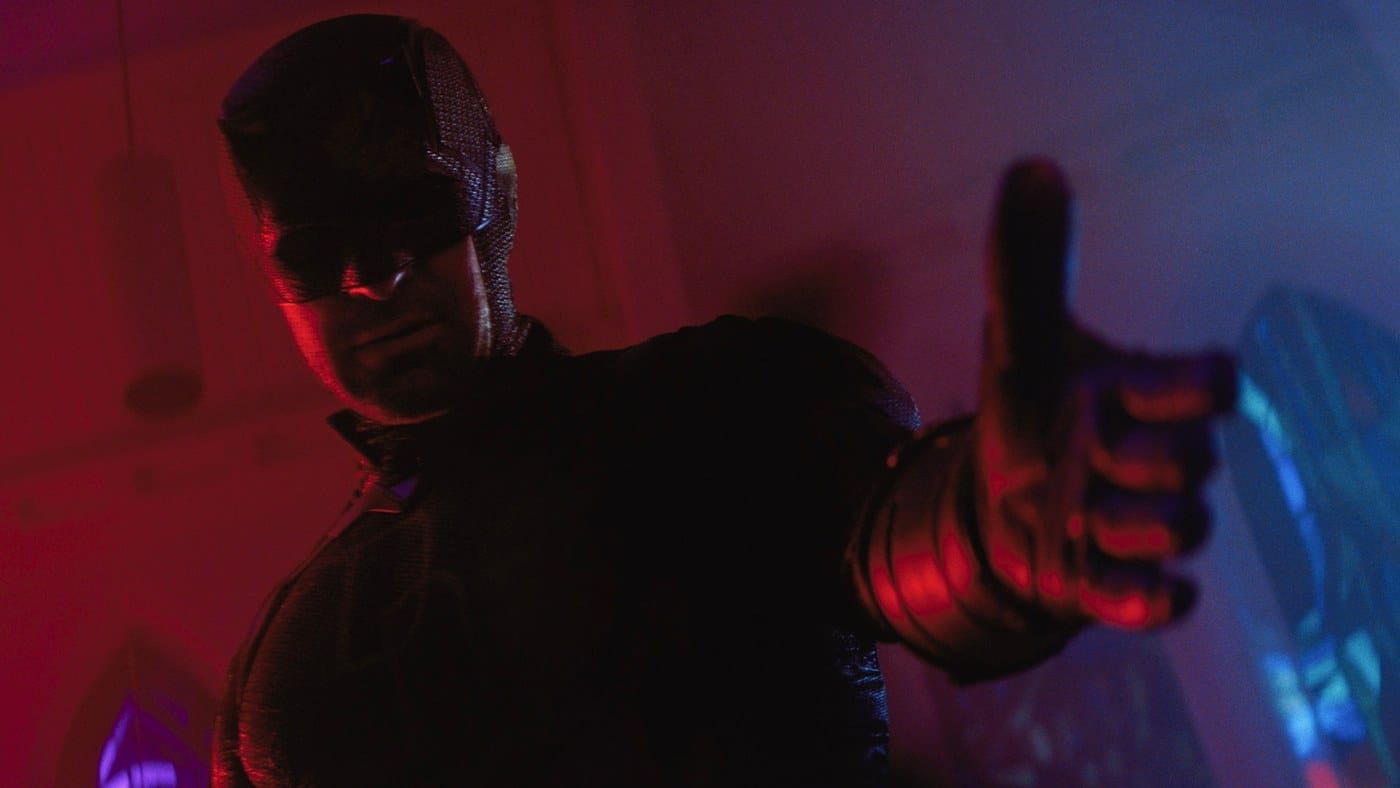
The Daredevil footage, shown only to the room, picked up with Matt Murdock in prison after revealing his identity. He fashions an orange Daredevil suit out of his prison uniform, a prison fight follows, Bullseye and Wilson Fisk return, and Jessica Jones, Luke Cage and Danny Rand reunite on screen for the first time in more than nine years, as BamSmackPow reported from the panel. Cox told fans he expects the Save Daredevil campaign to gear up for a second round.
The rest of the slate, per GamesRadar's live coverage: VisionQuest, eight episodes from showrunner Terry Matalas, with Paul Bettany as Vision and James Spader returning as Ultron; footage from the third season of X-Men '97, including Rogue and Gambit's wedding; a second season of Your Friendly Neighborhood Spider-Man on January 13, 2027, with Venom; three annual Marvel Zombies specials replacing a second season, from Halloween 2027 to Halloween 2029; and Zodiac, a new live-action spy thriller that starts filming in London next spring for a 2028 premiere.
Why end Daredevil now
The ending had been signaled in September, but NYCC was Marvel's first official confirmation. The decision looks strange from the floor of a convention, where Daredevil is the most loved character Marvel television has produced in a decade. It looks less strange from a spreadsheet. Born Again is expensive street-level drama in a streaming market that has stopped rewarding long runs. Three seasons is now the natural lifespan of a prestige series, not an early cancellation, and Disney is choosing to give the story a planned ending rather than let it fade.
There is also a structural argument. We traced in September how Marvel's television arm has spent thirteen years promising a connected universe and rarely delivering one. The Netflix Defenders shows were famously cut off from the films. Bringing Jessica Jones, Luke Cage and Iron Fist back into a Disney+ season that is explicitly the end lets Marvel finally close that loop on its own terms: the Netflix era gets absorbed into canon at the exact moment it stops producing new episodes. It is a tidy act of corporate housekeeping disguised as a reunion.
Why VisionQuest gets the opposite treatment
VisionQuest is the sequel thread Marvel trusts most. WandaVision (2021) was the company's breakout streaming hit; Agatha All Along (2024) proved the same corner of the universe could sustain a spin-off. A third chapter about Vision's quest to save the twins, with Ultron back and Tommy Shepherd kidnapped in the trailer, is being read in early coverage as the capstone of a trilogy. Early reactions compared the pilot's tone to WandaVision and Loki, which is to say to the two Marvel series audiences remember fondly.
The comparison reveals the logic. Marvel is no longer measuring shows by how much fans love the characters. It is measuring them by how cleanly they fit a limited story shape: three chapters, eight episodes, a defined ending. VisionQuest is designed that way from the start. Daredevil was not, so Marvel is retrofitting it.
The comics angle Marvel isn't saying out loud
The same week, Marvel Comics launched its Midnight Universe, three horror relaunches of its biggest franchises shipped in a single Wednesday. Publishing and television are working from the same playbook: short, branded, finite runs that can be marketed as events and ended before fatigue sets in. The era of the open-ended Marvel series, on the page or on the screen, is quietly closing.
For readers, there is an upside. Finite stories tend to have real endings, and Daredevil's comics history is full of great runs that worked precisely because a writer knew when to stop. Frank Miller's Born Again arc, which gave the show its name, was seven issues. The problem is not that Daredevil: Born Again ends. It is that the decision was made for the schedule and not for the story, and the fans booing in New York could tell the difference.
What to watch for
VisionQuest's first-week numbers will tell us whether the WandaVision corner of the universe still pulls a mainstream audience five years later. The Daredevil finale, whenever it lands, will tell us whether Marvel can end something well. Those are different tests, and NYCC made clear which one the company is more confident about.