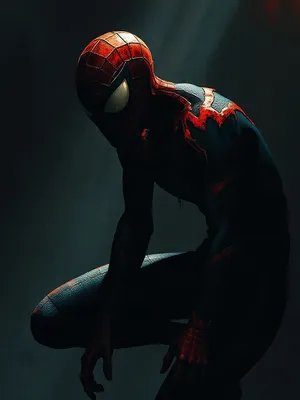
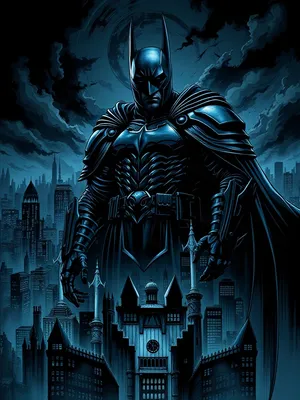
Three number-ones. One Wednesday. One publishing house. Marvel's so-called Midnight Universe arrives on October 7, 2026, with the simultaneous launch of Midnight X-Men #1, Midnight Spider-Man #1, and Midnight Fantastic Four #1 — a coordinated drop that the company's marketing apparatus has framed as a bold creative statement about horror, darkness, and the untapped terror lurking inside its most iconic characters. It is worth pausing before accepting that framing wholesale. Because when a publisher detonates three debut issues on the same day across three of its crown-jewel franchises, the story being told is not purely one of artistic vision. It is a story about the economics of attention, and about how Marvel has learned to manufacture the sensation of an event even when the event itself has not yet earned that weight.
The Horror Aesthetic Is Not the Problem
Let's be precise about what is not being argued here. Horror and superhero comics have a genuinely productive history together. Marvel's own Tomb of Dracula (1972) remains one of the most formally daring things the company ever published — a genre exercise that used the vampire mythology not as costume but as structural logic, reshaping narrative pacing and moral atmosphere in ways that still echo. More recently, the pulpy, blood-soaked registers of certain X-Men runs have demonstrated that darkness, when it is permitted to actually mean something, can strip familiar characters down to their ideological bones and rebuild them into something worth reading.
The horror aesthetic applied to Marvel's flagship teams is therefore not inherently bankrupt. The premise — what if the X-Men, Spider-Man, the Fantastic Four were dropped into genuine horror frameworks, not merely given darker costumes and grimmer dialogue — carries real potential. Horror as a genre demands that characters be vulnerable in ways that superhero logic typically forecloses. It insists on consequence. It is suspicious of triumphalism. Those are useful pressures to apply to characters who have, across decades of publishing, developed institutional immunities to genuine stakes.
So the aesthetic is not the problem. The problem is the architecture around it.
What Three Simultaneous #1s Actually Signal
Publishing three debut issues on the same day is a logistical choice masquerading as a creative one. On its surface it reads as confidence — Marvel believes in this initiative enough to commit three major franchises to it at once. But publishing logic rarely operates on confidence alone. The simultaneous drop serves several commercial functions that have nothing to do with storytelling.
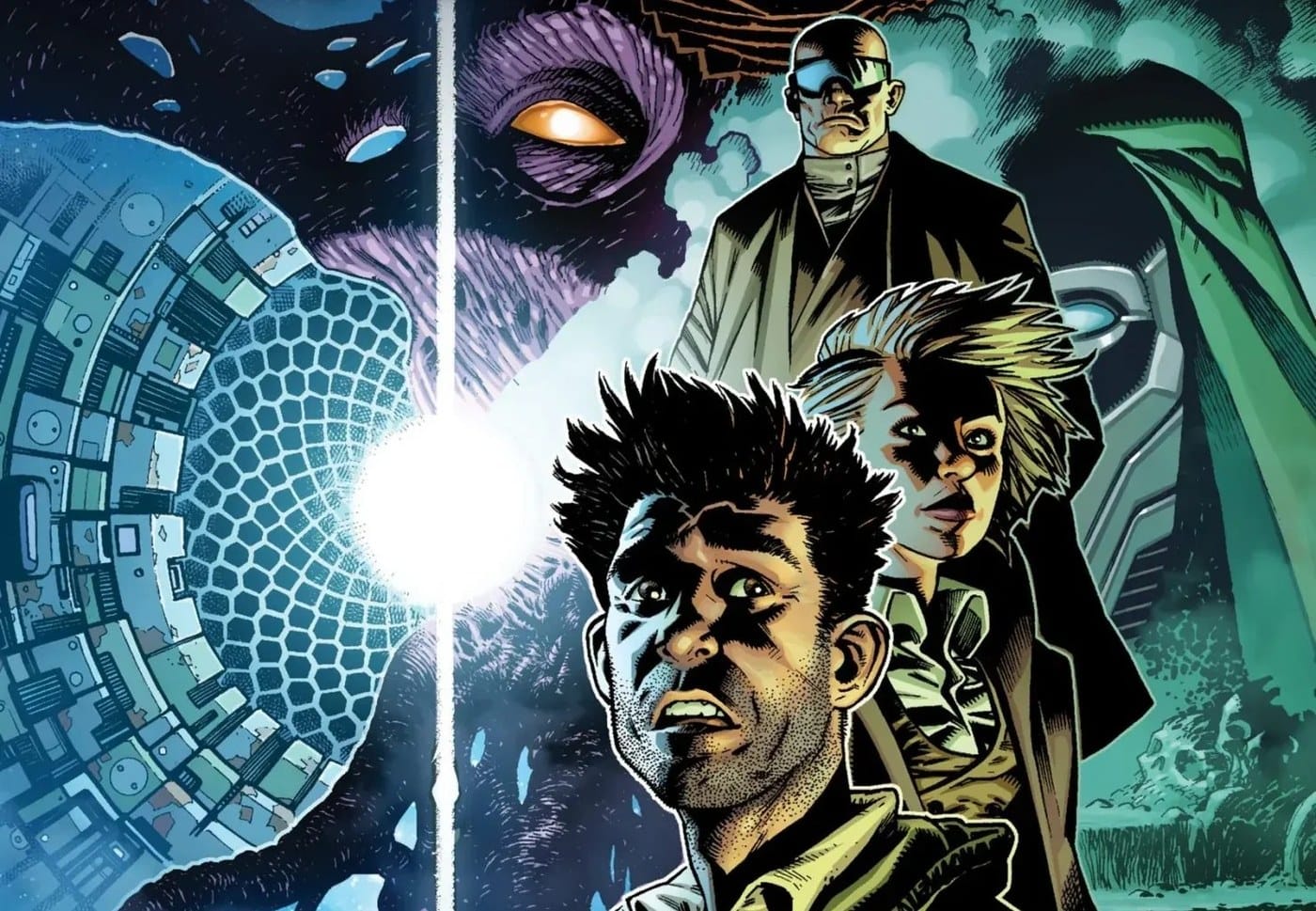
First, it colonizes New Comic Book Day completely. A Wednesday on which Marvel owns the horror conversation across X-Men, Spider-Man, and Fantastic Four simultaneously is a Wednesday on which no other publisher — and no other Marvel title — meaningfully competes for attention. The Midnight Universe is not three stories launching; it is a perimeter being established. Shelf space, social conversation, retailer display, online discourse: all of it is captured in a single move. That is not artistic ambition. That is market architecture.
Second, the simultaneous launch creates an artificial sense of scope. Each individual issue, evaluated alone, would need to demonstrate its own reason to exist. Launched together, they generate a gestalt impression of a universe-level event — the feeling that something enormous is happening — before any single issue has had the chance to prove it. The event precedes the evidence. The momentum is manufactured upstream of the work itself.
Third, and most corrosively, the triple launch insulates each individual title from accountability. If Midnight Spider-Man #1 is thin — if its horror framework is atmospheric decoration rather than structural commitment — it is far harder to isolate that thinness when it arrives flanked by two siblings, each amplifying the other's sense of occasion. Critical mass becomes a literal defense mechanism.
The Difference Between a Horror Universe and a Horror Brand
Marvel has built horror imprints before. The distinction that matters — and that three simultaneous #1s make structurally harder to achieve — is the difference between a horror universe and a horror brand. A horror universe has internal logic. Its darkness is load-bearing. The rules of its fear operate consistently across titles and generate genuine narrative consequences that bleed from one book into another organically. A horror brand, by contrast, is a tonal palette applied from the outside: darker colors, more shadow in the linework, grimmer variant covers, a particular font choice for the logo.
Horror branding is not nothing. It signals to readers, creates a coherent marketing identity, and can attract creative talent who are genuinely excited by the genre. But it is a different thing from horror as a structural commitment, and the publishing strategy around the Midnight Universe currently looks far more like the former than the latter. When you launch three titles simultaneously, you are prioritizing brand coherence — the unified aesthetic impression of the Midnight Universe as a thing — over the slower, messier work of letting each book establish its own horror logic from the ground up.
The most enduring horror comics imprints — Warren Publishing's output, the early Vertigo era (a lineage DC is now reviving, as we saw with its Vertigo relaunch), even Marvel's own Bronze Age monster books — were built issue by issue, with the coherence emerging from the work rather than being declared in advance by a coordinated launch strategy. They earned their universe status. The Midnight Universe is asserting it on day one, which is a fundamentally different posture.
What the Creative Teams Owe the Premise
None of this forecloses on the individual books delivering. The creative teams assembled for the Midnight Universe titles will determine whether the horror framework is inhabited or merely worn. The questions they need to answer are specific and unforgiving: Does Spider-Man's vulnerability to horror come from something essential to who Peter Parker is, or is it simply that he now faces monsters instead of supervillains? Do the X-Men's horror dynamics emerge from the genuine terror latent in their mutation mythology — bodies that transform without consent, communities that survive by being feared — or does the darkness sit on top of that mythology without engaging it? Does the Fantastic Four's cosmic horror register interrogate what it actually means to be a family that has seen the edge of existence and chosen to keep going back?
These are the questions that separate horror as a genre commitment from horror as an aesthetic mood. They cannot be answered by a marketing calendar. They can only be answered by the work, issue by issue, in the months after the launch-day noise fades.
The Noise and What Comes After
October 7, 2026 will be loud. Three #1s across three iconic franchises, all horror-inflected, all arriving at once — the discourse will be substantial, the variant covers will be numerous, the think-pieces will proliferate. Marvel knows this. The simultaneous launch is precisely calibrated to generate that noise, to make the Midnight Universe feel like a cultural moment before it has had the chance to become one.
The more honest measure will come in January, when the fourth or fifth issues of these series arrive quietly, without the launch-day architecture propping them up. By then the question of whether this is a publishing strategy or a storytelling vision will have answered itself. Horror, as a genre, has always been better at exposing what hides beneath the surface than at sustaining the illusion of what is placed on top of it. Marvel's Midnight Universe launched in darkness. Whether it knows what to do there is a different question entirely.