DC's decision to relaunch Vertigo as an ongoing imprint in 2026 is not a nostalgia move. It is a wager — precise and uncomfortable — on whether a market that has spent two decades reorganizing itself around cinematic universes still has room for comics that refuse to become anything else. Black Tower: The Raven Conspiracy #1, shipping August 26, is the sharpest argument yet for why that bet might actually pay off.
The Imprint as Argument
Vertigo's original run, from 1993 to 2019, succeeded not because it was countercultural by design but because it was editorially ruthless. Karen Berger's imprint demanded that writers use the medium's specific grammar — the gutter, the page turn, the enforced silence of a panel — rather than treating comics as storyboards for adaptation. When DC shuttered it, the official explanation was market consolidation. The honest one was that Vertigo's model depended on an audience willing to follow writers across genres, not properties across platforms. That audience was presumed lost.
The 2026 relaunch operates on the counter-presumption: that audience never left. It simply aged out of the direct market's promotional priorities. Launching with an occult-espionage title written by Ram V. — whose work on Detective Comics and Swamp Thing demonstrated a consistent interest in systems of power rendered through mythology — signals that the imprint intends to compete on literary density, not IP familiarity.
Ram V. and the Architecture of Conspiracy
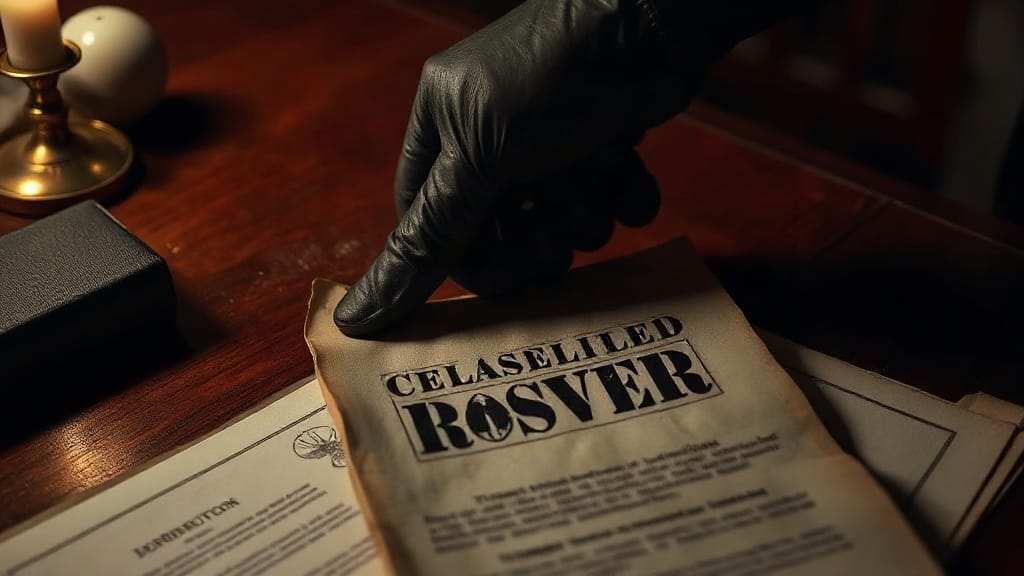
Ram V. is one of the few mainstream comics writers currently working in a mode that takes seriously both genre mechanics and thematic weight. His plots are not puzzles to be solved; they are pressure systems. In Black Tower: The Raven Conspiracy #1, that instinct is applied to a story that positions occult practice not as supernatural aberration but as the hidden bureaucratic infrastructure of state power — the thing intelligence agencies use when conventional coercion fails.
The first issue establishes the Black Tower itself as an institution with classified history, staffed by operatives trained at the intersection of esoteric tradition and cold-war methodology. The Raven Conspiracy of the title is less a plot device than an epistemological problem: who controls the record of what happened, and what does it cost them to maintain that control? Ram V. is careful not to resolve that question in the first issue. He calibrates revelation like a counter-intelligence debrief — partial, sequenced, designed to create dependency without manufacturing cheap mystery.
Perkins and the Visual Grammar of Dread
Mike Perkins's visual approach is precisely what this material requires. His line work carries a deliberate weight — figures exist under gravity, under institutional architecture, under the accumulated pressure of what they know. Perkins has always understood that espionage storytelling is fundamentally about bodies in rooms, about the geometry of surveillance and evasion, and he renders that geometry with controlled darkness rather than expressionist excess.
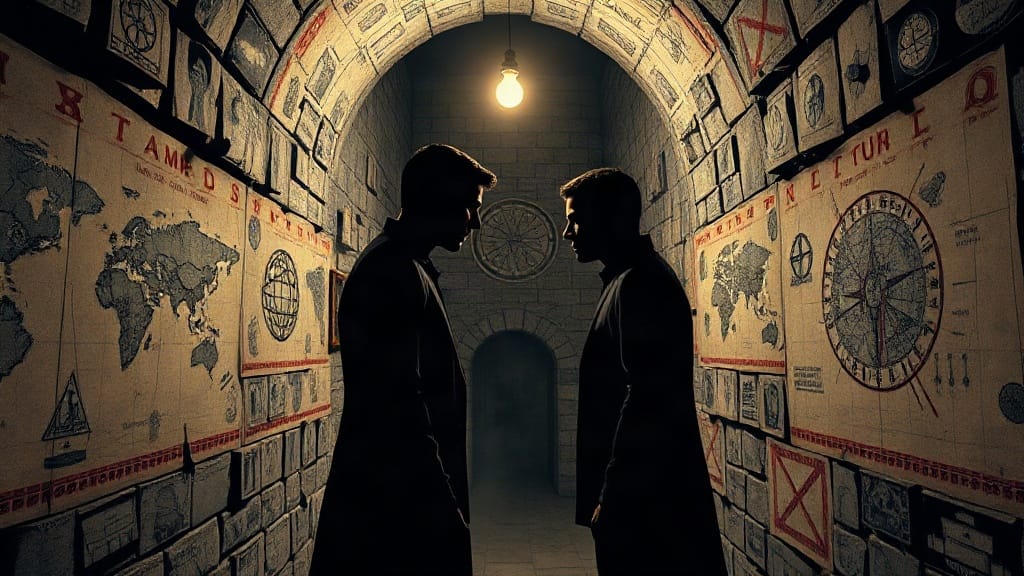
The color palette in Black Tower #1 deploys amber and deep charcoal in ways that evoke Cold War documentary photography without quoting it directly. The occult sequences are not rendered in a different visual register from the procedural ones — a crucial decision, because treating the supernatural as visually exotic would undercut Ram V.'s core argument that the esoteric and the institutional are the same system wearing different uniforms.
What the Relaunch Actually Risks
The structural risk of Vertigo's return is not creative. Ram V. and Perkins have the craft to sustain a mature ongoing series. The risk is commercial and editorial. Vertigo's original collapse was partly a function of the direct market's consolidation around event comics and collectible variants — forces that have only intensified since 2019. A line built on dense, self-contained narratives requires a distribution and retail ecosystem that rewards slow discovery, not first-print speculation.
DC is betting that the digital and bookstore markets have matured enough to absorb what the Wednesday-crowd retail model historically punished. That is a real bet, with real consequences for whether Black Tower makes it past its first arc. The first issue is strong enough to deserve the chance. Whether the infrastructure exists to give it one is a question that belongs to the industry, not the creative team.
Vertigo's return is not about recapturing what the imprint was. It is about testing whether the conditions that made it necessary have re-emerged — and the evidence suggests they have.
Black Tower: The Raven Conspiracy #1 ships August 26 from DC Vertigo, written by Ram V. with art by Mike Perkins. It is not the only corner of the DC universe being rebuilt this way in 2026 — Kynari covered the Legion of Super-Heroes relaunch making a comparable bet on a very different property.